Recombinant Human Phosphatidylcholine:ceramide cholinephosphotransferase 2 (SGMS2)
-
中文名稱(chēng):人SGMS2重組蛋白
-
貨號(hào):CSB-CF854159HU
-
規(guī)格:
-
來(lái)源:in vitro E.coli expression system
-
其他:
產(chǎn)品詳情
-
基因名:SGMS2
-
Uniprot No.:
-
別名:SGMS2; SMS2; Phosphatidylcholine:ceramide cholinephosphotransferase 2; Sphingomyelin synthase 2
-
種屬:Homo sapiens (Human)
-
蛋白長(zhǎng)度:full length protein
-
表達(dá)區(qū)域:1-365
-
氨基酸序列MDIIETAKLEEHLENQPSDPTNTYARPAEPVEEENKNGNGKPKSLSSGLRKGTKKYPDYI QIAMPTESRNKFPLEWWKTGIAFIYAVFNLVLTTVMITVVHERVPPKELSPPLPDKFFDY IDRVKWAFSVSEINGIILVGLWITQWLFLRYKSIVGRRFCFIIGTLYLYRCITMYVTTLP VPGMHFQCAPKLNGDSQAKVQRILRLISGGGLSITGSHILCGDFLFSGHTVTLTLTYLFI KEYSPRHFWWYHLICWLLSAAGIICILVAHEHYTIDVIIAYYITTRLFWWYHSMANEKNL KVSSQTNFLSRAWWFPIFYFFEKNVQGSIPCCFSWPLSWPPGCFKSSCKKYSRVQKIGED NEKST
Note: The complete sequence may include tag sequence, target protein sequence, linker sequence and extra sequence that is translated with the protein sequence for the purpose(s) of secretion, stability, solubility, etc.
If the exact amino acid sequence of this recombinant protein is critical to your application, please explicitly request the full and complete sequence of this protein before ordering. -
蛋白標(biāo)簽:N-terminal 10xHis-tagged
-
產(chǎn)品提供形式:Liquid or Lyophilized powder
Note: We will preferentially ship the format that we have in stock, however, if you have any special requirement for the format, please remark your requirement when placing the order, we will prepare according to your demand. -
緩沖液:Lyophilized from Tris/PBS-based buffer, 6% Trehalose, pH 8.0
-
儲(chǔ)存條件:Store at -20°C/-80°C upon receipt, aliquoting is necessary for mutiple use. Avoid repeated freeze-thaw cycles.
-
保質(zhì)期:The shelf life is related to many factors, storage state, buffer ingredients, storage temperature and the stability of the protein itself.
Generally, the shelf life of liquid form is 6 months at -20°C/-80°C. The shelf life of lyophilized form is 12 months at -20°C/-80°C. -
貨期:Basically, we can dispatch the products out in 1-3 working days after receiving your orders. Delivery time may differ from different purchasing way or location, please kindly consult your local distributors for specific delivery time.Note: All of our proteins are default shipped with normal blue ice packs, if you request to ship with dry ice, please communicate with us in advance and extra fees will be charged.
-
注意事項(xiàng):Repeated freezing and thawing is not recommended. Store working aliquots at 4°C for up to one week.
-
Datasheet & COA:Please contact us to get it.
產(chǎn)品評(píng)價(jià)

相關(guān)產(chǎn)品
靶點(diǎn)詳情
-
功能:Sphingomyelin synthase that primarily contributes to sphingomyelin synthesis and homeostasis at the plasma membrane. Catalyzes the reversible transfer of phosphocholine moiety in sphingomyelin biosynthesis: in the forward reaction transfers phosphocholine head group of phosphatidylcholine (PC) on to ceramide (CER) to form ceramide phosphocholine (sphingomyelin, SM) and diacylglycerol (DAG) as by-product, and in the reverse reaction transfers phosphocholine from SM to DAG to form PC and CER. The direction of the reaction appears to depend on the levels of CER and DAG in the plasma membrane. Does not use free phosphorylcholine or CDP-choline as donors. Can also transfer phosphoethanolamine head group of phosphatidylethanolamine (PE) on to ceramide (CER) to form ceramide phosphoethanolamine (CPE). Regulates receptor-mediated signal transduction via mitogenic DAG and proapoptotic CER, as well as via SM, a structural component of membrane rafts that serve as platforms for signal transduction and protein sorting. To a lesser extent, plays a role in secretory transport via regulation of DAG pool at the Golgi apparatus and its downstream effects on PRKD1. Required for normal bone matrix mineralization.
-
基因功能參考文獻(xiàn):
- SMS regulates the expression and function of drug transporters P-gp and MRP2. PMID: 27394416
- findings suggest that the C-terminal tails of SMSs are involved in homodimer formation, which is required for efficient transport from the ER. PMID: 27927984
- PPARdelta activation may be a potential risk of atherosclerosis through enhancing activity of SMS2 PMID: 27278004
- F-actin polymerization in the region of HIV-1 membrane fusion was more prominent in Sms2-expressing cells than Sms-deficient cells. PMID: 25231990
- SMS1 and SMS2 are capable of regulating TGN-mediated protein trafficking and secretion PMID: 21980337
- Data indicate that the increased sphingomyelin mass was due to a rapid and highly specific activation of sphingomyelin synthases SMS1 and SMS2. PMID: 22106271
- direct morphological evidence for the pro-atherogenic capabilities of sphingomyelin synthase 2 PMID: 21235823
- Data show that SMS2 acting as a bifunctional enzyme with both SM and CPE synthase activity. PMID: 19454763
- Data show that sphingomyelin synthases SMS1 and SMS2 are co-expressed in a variety of cell types and function as the key Golgi- and plasma membrane-associated SM synthases in human cervical carcinoma HeLa cells, respectively. PMID: 17449912
- Results indicate that both synthase (SMS)1 and 2 contribute to sphingomyelin (SM) de novo synthesis and control SM levels in the cells and on the cell membrane including plasma membrane. PMID: 17616479
- SMS2 is a key factor in control of sphingomyelin and diacylglycerol metabolism within the cell, and thus it influences apoptosis. PMID: 17982138
- SMS2 regulates subcellular pools of diacylglycerol-binding proteins in the Golgi apparatus. PMID: 18370930
- SMS2 (Sphingomyelin synthase 2) physiologically contributes to de novo Sphingomyelin biosynthesis and plasma membrane Sphingomyelin levels PMID: 18566297
- Both SMS1 and SMS2 contain two histidines and one aspartic acid which are conserved within the lipid phosphate phosphatase superfamily. Site-directed mutagenesis of these amino acids abolished SMS activity without altering cellular distribution. PMID: 18694848
- These results suggested that posttranslational palmitoylation is important for determination of the subcellular localization of SMS2. PMID: 19233134
- Sphingomyelin synthase 2 is one of the determinants for plasma and liver sphingomyelin levels in mice. PMID: 19286635
顯示更多
收起更多
-
亞細(xì)胞定位:Cell membrane; Multi-pass membrane protein. Golgi apparatus membrane; Multi-pass membrane protein.
-
蛋白家族:Sphingomyelin synthase family
-
組織特異性:Brain, heart, kidney, liver, muscle and stomach. Also expressed in a number of cell lines such as carcinoma HeLa cells, hepatoma Hep-G2 cells, and colon carcinoma Caco-2 cells.
-
數(shù)據(jù)庫(kù)鏈接:
Most popular with customers
-
-AC1.jpg)
Recombinant Human Pro-neuregulin-1, membrane-bound isoform (NRG1), partial (Active)
Express system: Mammalian cell
Species: Homo sapiens (Human)
-
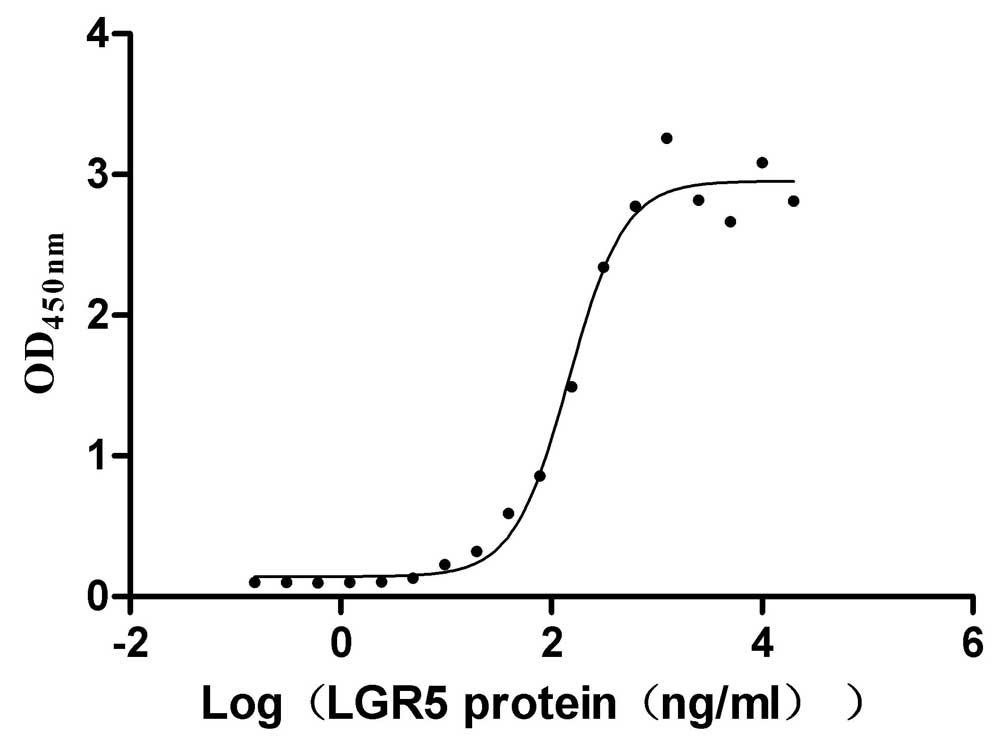
Recombinant Human R-spondin-1 (RSPO1), partial (Active)
Express system: Mammalian cell
Species: Homo sapiens (Human)
-
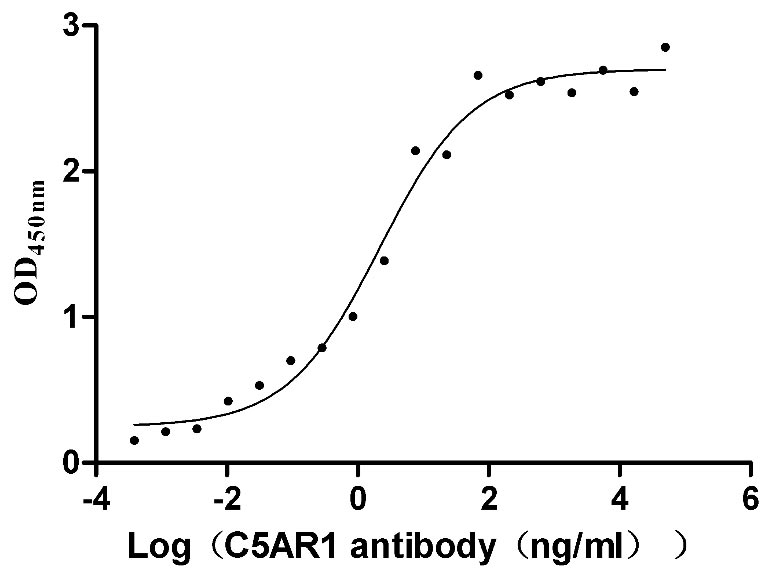
Recombinant Human C5a anaphylatoxin chemotactic receptor 1 (C5AR1)-VLPs (Active)
Express system: Mammalian cell
Species: Homo sapiens (Human)
-
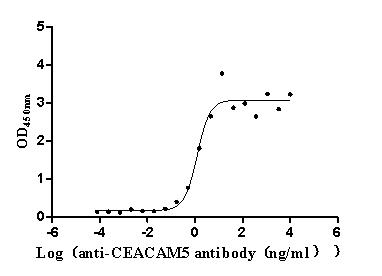
Express system: Mammalian cell
Species: Homo sapiens (Human)
-
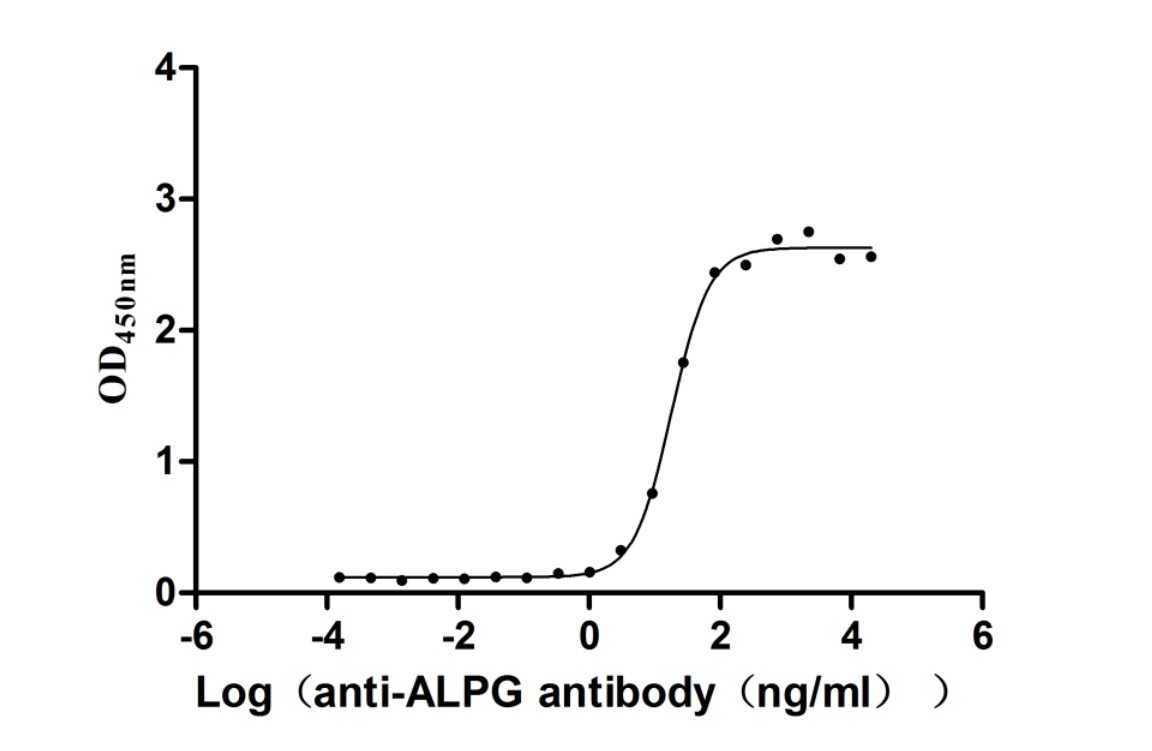
Recombinant Human Alkaline phosphatase, germ cell type (ALPG) (Active)
Express system: Mammalian cell
Species: Homo sapiens (Human)
-
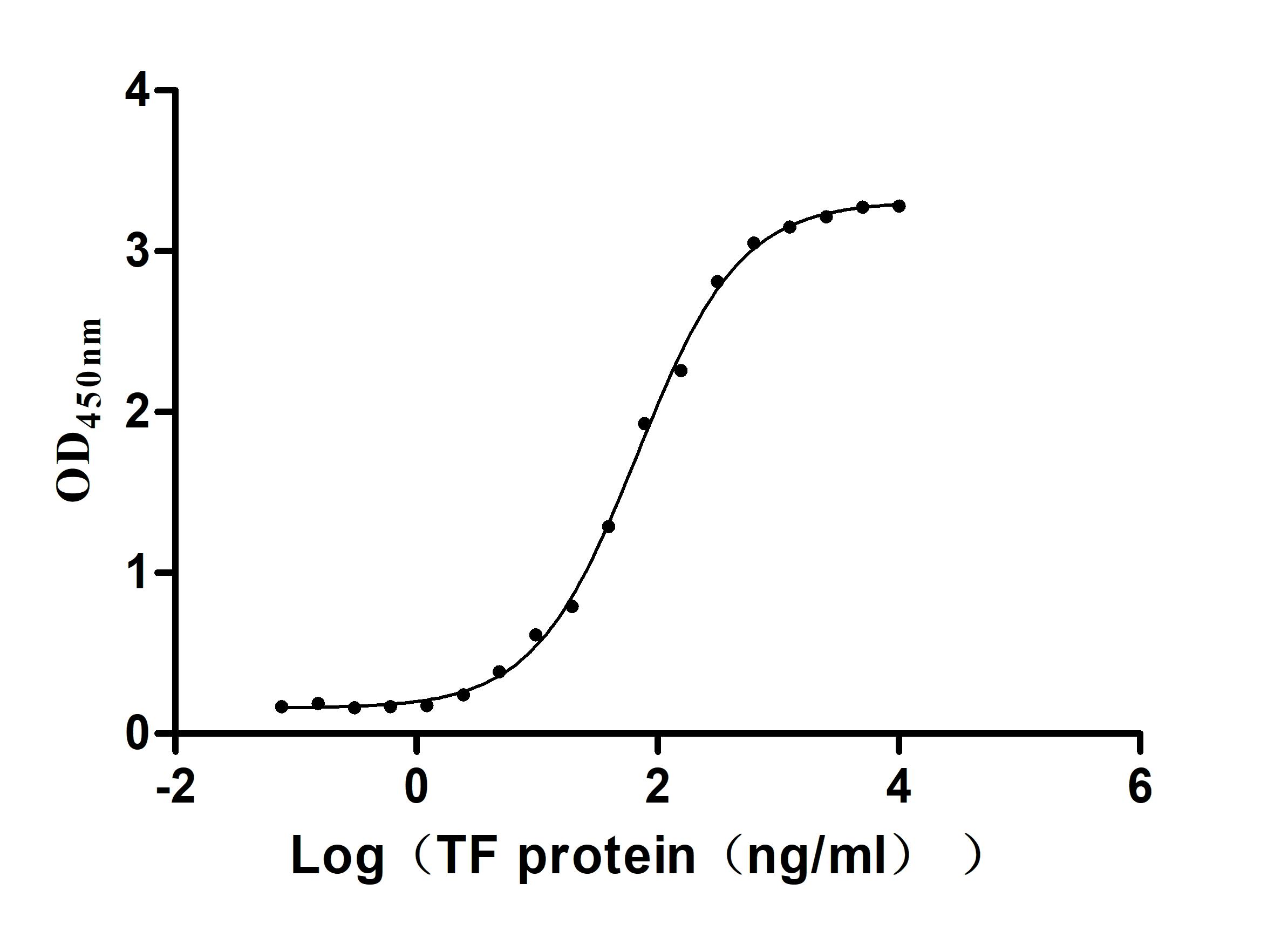
Recombinant Human Serotransferrin(TF) (Active)
Express system: Mammalian cell
Species: Homo sapiens (Human)
-
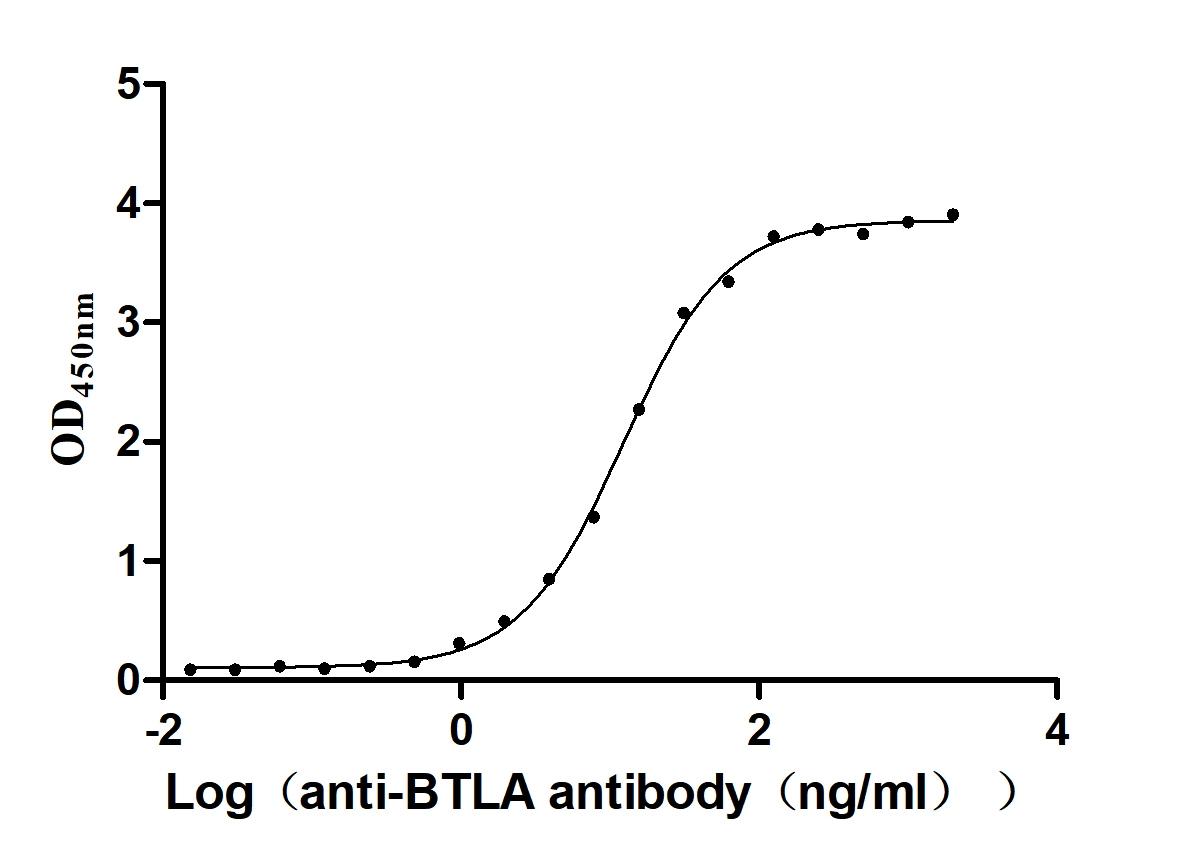
Recombinant Human B- and T-lymphocyte attenuator(BTLA), partial (Active)
Express system: Mammalian cell
Species: Homo sapiens (Human)
-
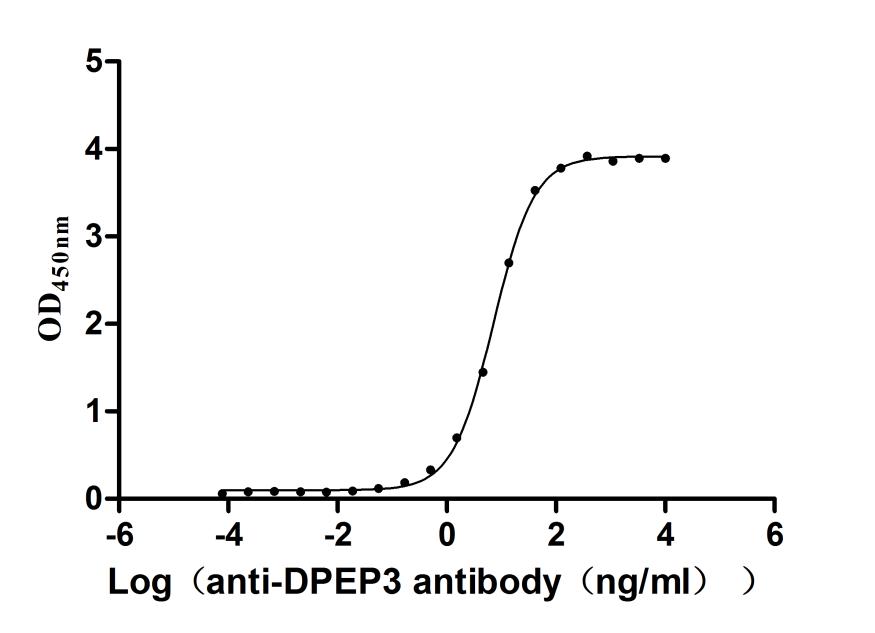
Recombinant Human Dipeptidase 3(DPEP3), partial (Active)
Express system: Mammalian cell
Species: Homo sapiens (Human)