
Recombinant Saccharomyces cerevisiae Target of rapamycin complex subunit LST8 (LST8)
-
中文名稱:釀酒酵母LST8重組蛋白
-
貨號:CSB-YP331278SVG
-
規(guī)格:
-
來源:Yeast
-
其他:
-
中文名稱:釀酒酵母LST8重組蛋白
-
貨號:CSB-EP331278SVG
-
規(guī)格:
-
來源:E.coli
-
其他:
-
中文名稱:釀酒酵母LST8重組蛋白
-
貨號:CSB-EP331278SVG-B
-
規(guī)格:
-
來源:E.coli
-
共軛:Avi-tag Biotinylated
E. coli biotin ligase (BirA) is highly specific in covalently attaching biotin to the 15 amino acid AviTag peptide. This recombinant protein was biotinylated in vivo by AviTag-BirA technology, which method is BriA catalyzes amide linkage between the biotin and the specific lysine of the AviTag.
-
其他:
-
中文名稱:釀酒酵母LST8重組蛋白
-
貨號:CSB-BP331278SVG
-
規(guī)格:
-
來源:Baculovirus
-
其他:
-
中文名稱:釀酒酵母LST8重組蛋白
-
貨號:CSB-MP331278SVG
-
規(guī)格:
-
來源:Mammalian cell
-
其他:
產(chǎn)品詳情
-
純度:>85% (SDS-PAGE)
-
基因名:LST8
-
Uniprot No.:
-
別名:LST8; YNL006W; N2005Target of rapamycin complex subunit LST8; TORC subunit LST8; Lethal with SEC13 protein 8
-
種屬:Saccharomyces cerevisiae (strain ATCC 204508 / S288c) (Baker's yeast)
-
蛋白長度:full length protein
-
表達區(qū)域:1-303
-
氨基酸序列MSVILVSAGY DHTIRFWEAL TGVCSRTIQH SDSQVNRLEI TNDKKLLATA GHQNVRLYDI RTTNPNPVAS FEGHRGNVTS VSFQQDNRWM VTSSEDGTIK VWDVRSPSIP RNYKHNAPVN EVVIHPNQGE LISCDRDGNI RIWDLGENQC THQLTPEDDT SLQSLSMASD GSMLAAANTK GNCYVWEMPN HTDASHLKPV TKFRAHSTYI TRILLSSDVK HLATCSADHT ARVWSIDDDF KLETTLDGHQ RWVWDCAFSA DSAYLVTASS DHYVRLWDLS TREIVRQYGG HHKGAVCVAL NDV
-
蛋白標簽:Tag?type?will?be?determined?during?the?manufacturing?process.
The tag type will be determined during production process. If you have specified tag type, please tell us and we will develop the specified tag preferentially. -
產(chǎn)品提供形式:Lyophilized powder
Note: We will preferentially ship the format that we have in stock, however, if you have any special requirement for the format, please remark your requirement when placing the order, we will prepare according to your demand. -
復溶:We recommend that this vial be briefly centrifuged prior to opening to bring the contents to the bottom. Please reconstitute protein in deionized sterile water to a concentration of 0.1-1.0 mg/mL.We recommend to add 5-50% of glycerol (final concentration) and aliquot for long-term storage at -20℃/-80℃. Our default final concentration of glycerol is 50%. Customers could use it as reference.
-
儲存條件:Store at -20°C/-80°C upon receipt, aliquoting is necessary for mutiple use. Avoid repeated freeze-thaw cycles.
-
保質(zhì)期:The shelf life is related to many factors, storage state, buffer ingredients, storage temperature and the stability of the protein itself.
Generally, the shelf life of liquid form is 6 months at -20°C/-80°C. The shelf life of lyophilized form is 12 months at -20°C/-80°C. -
貨期:Delivery time may differ from different purchasing way or location, please kindly consult your local distributors for specific delivery time.Note: All of our proteins are default shipped with normal blue ice packs, if you request to ship with dry ice, please communicate with us in advance and extra fees will be charged.
-
注意事項:Repeated freezing and thawing is not recommended. Store working aliquots at 4°C for up to one week.
-
Datasheet :Please contact us to get it.
產(chǎn)品評價

靶點詳情
-
功能:Essential component of both TORC1 and TORC2. TORC1 regulates multiple cellular processes to control cell growth in response to environmental signals. Nutrient limitation and environmental stress signals cause inactivation of TORC1. Active TORC1 positively controls ribosome biogenesis via control of rRNA, ribosomal protein and tRNA gene expression, and rRNA processing. TORC1 positively controls protein biosynthesis by regulation of mRNA stability, translation initiation factor activity, and high-affinity amino acid permeases that serve to provide amino acids for use by the translation machinery. TORC1 also promotes growth by sequestering a number of nutrient and general stress-responsive transcription factors in the cytoplasm. TORC1 negatively controls macroautophagy, a process to recycle surplus cytoplasmic mass under nutrient starvation conditions. LST8 is involved in the negative regulation of transcription factors GLN3 and RTG1-RTG3, limiting the synthesis of alpha-ketoglutarate, glutamate and glutamine. LST8 is required for targeting of amino acid permeases (AAPs) to the plasma membrane. TORC2 regulates cell cycle-dependent polarization of the actin-cytoskeleton, cell wall integrity, and receptor endocytosis. TORC2 controls polarity of the actin cytoskeleton, which is required for orienting the secretory pathway toward discrete growth sites, via the RHO1/PKC1/MAPK cell integrity pathway. LST8 is involved in maintenance of cell wall integrity. LST8 modulates TOR2 kinase activity.
-
基因功能參考文獻:
- Aminoacyl-tRNA quality control is required for efficient activation of the TOR pathway regulator Gln3p. PMID: 28910581
-
亞細胞定位:Cell membrane; Peripheral membrane protein; Cytoplasmic side. Vacuole membrane; Peripheral membrane protein; Cytoplasmic side. Note=Also localizes to membranous structures both proximal to, yet distinct from, the plasma membrane as well as within the cell interior, probably endosomal or Golgi membranes.
-
蛋白家族:WD repeat LST8 family
-
數(shù)據(jù)庫鏈接:
KEGG: sce:YNL006W
STRING: 4932.YNL006W
Most popular with customers
-
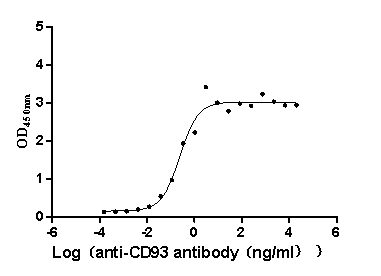
Recombinant Macaca fascicularis CD93 molecule (CD93), partial (Active)
Express system: Mammalian cell
Species: Macaca fascicularis (Crab-eating macaque) (Cynomolgus monkey)
-
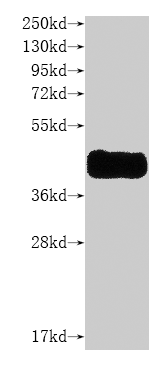
Recombinant Human C-C chemokine receptor type 8 (CCR8)-VLPs (Active)
Express system: Mammalian cell
Species: Homo sapiens (Human)
-
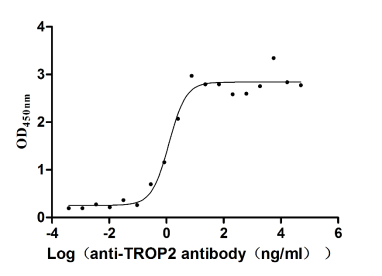
Recombinant Human Tumor-associated calcium signal transducer 2 (TACSTD2), partial (Active)
Express system: Mammalian cell
Species: Homo sapiens (Human)
-
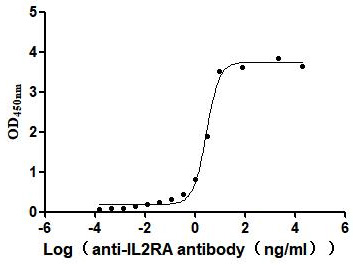
Recombinant Human Interleukin-2 receptor subunit alpha (IL2RA), partial (Active)
Express system: Mammalian cell
Species: Homo sapiens (Human)
-
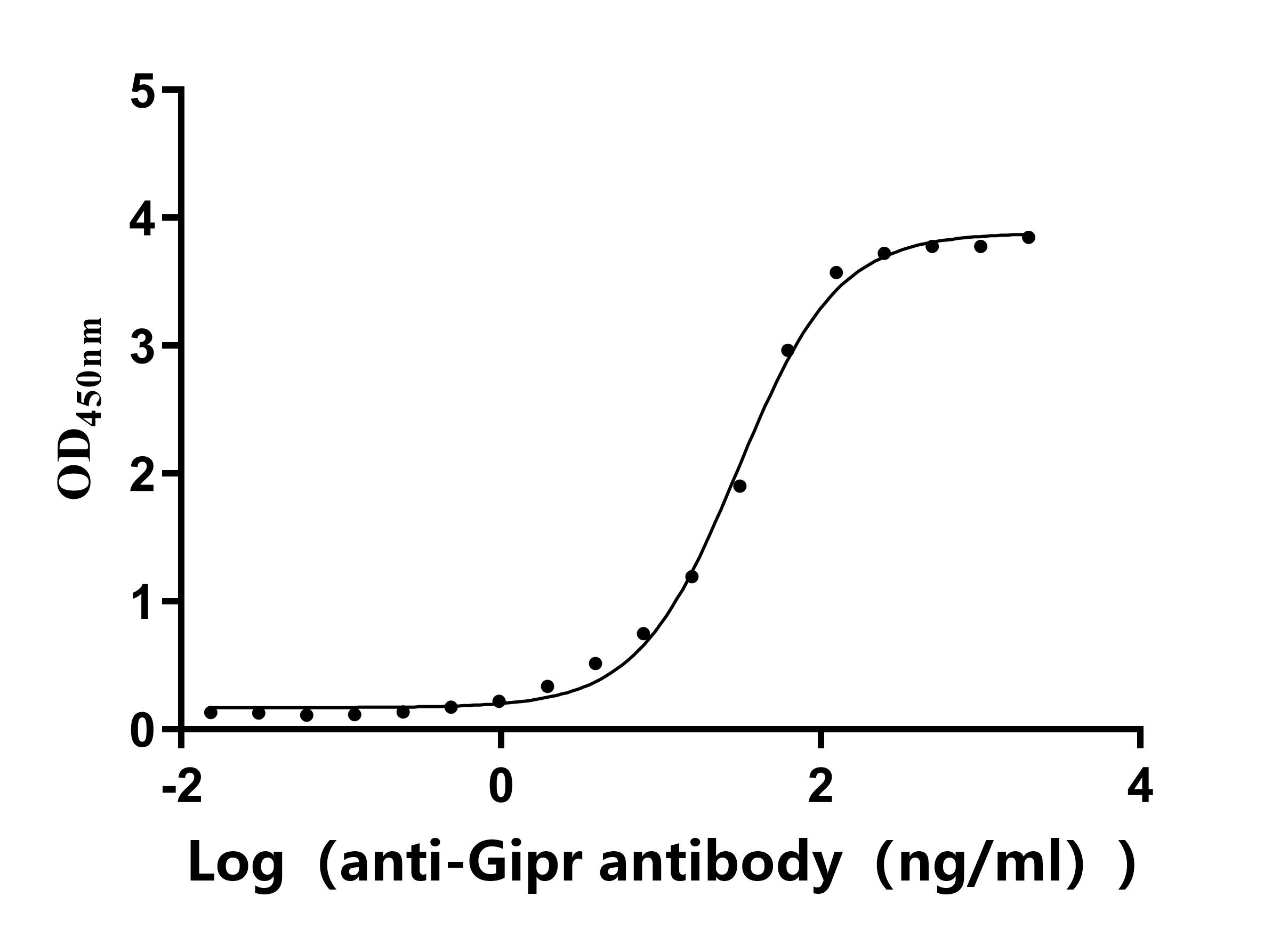
Recombinant Rat Gastric inhibitory polypeptide receptor (Gipr), partial (Active)
Express system: Mammalian cell
Species: Rattus norvegicus (Rat)