Recombinant Rat Protein kinase C epsilon type (Prkce)
-
中文名稱:大鼠Prkce重組蛋白
-
貨號:CSB-YP018704RA
-
規(guī)格:
-
來源:Yeast
-
其他:
-
中文名稱:大鼠Prkce重組蛋白
-
貨號:CSB-EP018704RA
-
規(guī)格:
-
來源:E.coli
-
其他:
-
中文名稱:大鼠Prkce重組蛋白
-
貨號:CSB-EP018704RA-B
-
規(guī)格:
-
來源:E.coli
-
共軛:Avi-tag Biotinylated
E. coli biotin ligase (BirA) is highly specific in covalently attaching biotin to the 15 amino acid AviTag peptide. This recombinant protein was biotinylated in vivo by AviTag-BirA technology, which method is BriA catalyzes amide linkage between the biotin and the specific lysine of the AviTag.
-
其他:
-
中文名稱:大鼠Prkce重組蛋白
-
貨號:CSB-BP018704RA
-
規(guī)格:
-
來源:Baculovirus
-
其他:
-
中文名稱:大鼠Prkce重組蛋白
-
貨號:CSB-MP018704RA
-
規(guī)格:
-
來源:Mammalian cell
-
其他:
產(chǎn)品詳情
-
純度:>85% (SDS-PAGE)
-
基因名:
-
Uniprot No.:
-
別名:Prkce; PkceProtein kinase C epsilon type; EC 2.7.11.13; nPKC-epsilon
-
種屬:Rattus norvegicus (Rat)
-
蛋白長度:full length protein
-
表達區(qū)域:1-737
-
氨基酸序列MVVFNGLLKI KICEAVSLKP TAWSLRHAVG PRPQTFLLDP YIALNVDDSR IGQTATKQKT NSPAWHDEFV TDVCNGRKIE LAVFHDAPIG YDDFVANCTI QFEELLQNGS RHFEDWIDLE PEGKVYVIID LSGSSGEAPK DNEERVFRER MRPRKRQGAV RRRVHQVNGH KFMATYLRQP TYCSHCRDFI WGVIGKQGYQ CQVCTCVVHK RCHELIITKC AGLKKQETPD EVGSQRFSVN MPHKFGIHNY KVPTFCDHCG SLLWGLLRQG LQCKVCKMNV HRRCETNVAP NCGVDARGIA KVLADLGVTP DKITNSGQRR KKLAAGAESP QPASGNSPSE DDRSKSAPTS PCDQELKELE NNIRKALSFD NRGEEHRASS STDGQLASPG ENGEVRQGQA KRLGLDEFNF IKVLGKGSFG KVMLAELKGK DEVYAVKVLK KDVILQDDDV DCTMTEKRIL ALARKHPYLT QLYCCFQTKD RLFFVMEYVN GGDLMFQIQR SRKFDEPRSG FYAAEVTSAL MFLHQHGVIY RDLKLDNILL DAEGHSKLAD FGMCKEGILN GVTTTTFCGT PDYIAPEILQ ELEYGPSVDW WALGVLMYEM MAGQPPFEAD NEDDLFESIL HDDVLYPVWL SKEAVSILKA FMTKNPHKRL GCVAAQNGED AIKQHPFFKE IDWVLLEQKK MKPPFKPRIK TKRDVNNFDQ DFTREEPILT LVDEAIVKQI NQEEFKGFSY FGEDLMP
-
蛋白標簽:Tag?type?will?be?determined?during?the?manufacturing?process.
The tag type will be determined during production process. If you have specified tag type, please tell us and we will develop the specified tag preferentially. -
產(chǎn)品提供形式:Lyophilized powder
Note: We will preferentially ship the format that we have in stock, however, if you have any special requirement for the format, please remark your requirement when placing the order, we will prepare according to your demand. -
復溶:We recommend that this vial be briefly centrifuged prior to opening to bring the contents to the bottom. Please reconstitute protein in deionized sterile water to a concentration of 0.1-1.0 mg/mL.We recommend to add 5-50% of glycerol (final concentration) and aliquot for long-term storage at -20℃/-80℃. Our default final concentration of glycerol is 50%. Customers could use it as reference.
-
儲存條件:Store at -20°C/-80°C upon receipt, aliquoting is necessary for mutiple use. Avoid repeated freeze-thaw cycles.
-
保質(zhì)期:The shelf life is related to many factors, storage state, buffer ingredients, storage temperature and the stability of the protein itself.
Generally, the shelf life of liquid form is 6 months at -20°C/-80°C. The shelf life of lyophilized form is 12 months at -20°C/-80°C. -
貨期:Delivery time may differ from different purchasing way or location, please kindly consult your local distributors for specific delivery time.Note: All of our proteins are default shipped with normal blue ice packs, if you request to ship with dry ice, please communicate with us in advance and extra fees will be charged.
-
注意事項:Repeated freezing and thawing is not recommended. Store working aliquots at 4°C for up to one week.
-
Datasheet :Please contact us to get it.
產(chǎn)品評價

靶點詳情
-
功能:Calcium-independent, phospholipid- and diacylglycerol (DAG)-dependent serine/threonine-protein kinase that plays essential roles in the regulation of multiple cellular processes linked to cytoskeletal proteins, such as cell adhesion, motility, migration and cell cycle, functions in neuron growth and ion channel regulation, and is involved in immune response, cancer cell invasion and regulation of apoptosis. Mediates cell adhesion to the extracellular matrix via integrin-dependent signaling, by mediating angiotensin-2-induced activation of integrin beta-1 (ITGB1) in cardiac fibroblasts. Phosphorylates MARCKS, which phosphorylates and activates PTK2/FAK, leading to the spread of cardiomyocytes. Involved in the control of the directional transport of ITGB1 in mesenchymal cells by phosphorylating vimentin (VIM), an intermediate filament (IF) protein. In epithelial cells, associates with and phosphorylates keratin-8 (KRT8), which induces targeting of desmoplakin at desmosomes and regulates cell-cell contact. Phosphorylates IQGAP1, which binds to CDC42, mediating epithelial cell-cell detachment prior to migration. During cytokinesis, forms a complex with YWHAB, which is crucial for daughter cell separation, and facilitates abscission by a mechanism which may implicate the regulation of RHOA. In cardiac myocytes, regulates myofilament function and excitation coupling at the Z-lines, where it is indirectly associated with F-actin via interaction with COPB1. During endothelin-induced cardiomyocyte hypertrophy, mediates activation of PTK2/FAK, which is critical for cardiomyocyte survival and regulation of sarcomere length. Plays a role in the pathogenesis of dilated cardiomyopathy via persistent phosphorylation of troponin I (TNNI3). Involved in nerve growth factor (NFG)-induced neurite outgrowth and neuron morphological change independently of its kinase activity, by inhibition of RHOA pathway, activation of CDC42 and cytoskeletal rearrangement. May be involved in presynaptic facilitation by mediating phorbol ester-induced synaptic potentiation. Phosphorylates gamma-aminobutyric acid receptor subunit gamma-2 (GABRG2), which reduces the response of GABA receptors to ethanol and benzodiazepines and may mediate acute tolerance to the intoxicating effects of ethanol. Upon PMA treatment, phosphorylates the capsaicin- and heat-activated cation channel TRPV1, which is required for bradykinin-induced sensitization of the heat response in nociceptive neurons. Is able to form a complex with PDLIM5 and N-type calcium channel, and may enhance channel activities and potentiates fast synaptic transmission by phosphorylating the pore-forming alpha subunit CACNA1B (CaV2.2). Downstream of TLR4, plays an important role in the lipopolysaccharide (LPS)-induced immune response by phosphorylating and activating TICAM2/TRAM, which in turn activates the transcription factor IRF3 and subsequent cytokines production. In differentiating erythroid progenitors, is regulated by EPO and controls the protection against the TNFSF10/TRAIL-mediated apoptosis, via BCL2. May be involved in the regulation of the insulin-induced phosphorylation and activation of AKT1. Phosphorylates NLRP5/MATER and may thereby modulate AKT pathway activation in cumulus cells.
-
基因功能參考文獻:
- The present results suggested that the different cardiac hemodynamic overload could differentially activate a common signaling, PKCepsilon intermediate and thereby generate biological diversity. PMID: 29195789
- Results suggest that PKCvarepsilon is required to generate Ca(2+) oscillations following mGluR5 activation, which support the regulation of astrocytic glutamate uptake. Reduced expression of astrocytic PKCvarepsilon could impair this neuroprotective process and participate in the progression of amyotrophic lateral sclerosis (ALS). PMID: 29266405
- Data suggest that ischemic preconditioning (IPC)-induced cardioprotection involves increased nitric oxide (NO)production, protein kinase C epsilon (PKC-epsilon) translocation, connexin43 (Cx43) phosphorylation, and chemical gap junction (GJ) uncoupling. PMID: 27655723
- In hippocampal cultured slices, PKC epsilon activation decreased AMPAR current amplitudes in an arc- and GluR2-dependent manner. PMID: 28585865
- adenosine-induced translocation of PKCepsilon to mitochondria is mediated by a caveolin-3-dependent mechanism and this process is age-related, possibly in part, through regulation of HSP90 and TOM70 expression PMID: 27919679
- PKCepsilon is a direct target of miR-101b. PMID: 27925653
- These results indicate that PKC promotes synaptogenesis by activating PSD-95 phosphorylation directly through JNK1 and calcium/calmodulin-dependent kinase II and also by inducing expression of PSD-95 and synaptophysin. PMID: 27330081
- Therefore, the results of the present study suggest that U83836E has a potent protective effect against MIRI in rat models through the direct antioxidative stress mechanisms and the activation of PKC signaling. PMID: 27035121
- after inflammation, an Epac-PKC dependent increase in F-actin in dorsal root ganglion neurons enhances the membrane expression of P2X3Rs to bring about sensitization of P2X3Rs and abnormal pain behaviors. PMID: 27385722
- Data indicate that the beneficial effects of pre- (IP) and postconditioning (IPC) were annulled when protein kinase C (PKC) was inhibited with Che. PMID: 26844384
- with strain there was significant PKCepsilon translocation to the Z-disc and co-localization with CapZbeta1 or alpha-actinin, which was quantified on confocal images. PMID: 26429793
- these results point to the importance of nPKCepsilon isoform in the control of acetylcholine release in the neuromuscular junction. PMID: 26625935
- The experiments suggest that in the SHR but not the WKY aorta, alpha1 -adrenoceptor activation desensitizes TP receptors through activation of PKC-epsilon. PMID: 25857252
- Results suggest that Rho kinase takes part in the regulation of PKCepsilon activity to alter vascular reactivity after shock. PMID: 24827390
- An early opening of sarcolemmal KATP channels during simulated ischemia is not part of the protective mechanism imparted by ischemic preconditioning or other PKC-dependent cardioprotective stimuli. PMID: 25450614
- These results indicate that PKCepsilon plays an important role in EP-mediated protection of the myocardium during exhaustive exercise-induced myocardial injury PMID: 24770357
- pPKCepsilon expression occurring in GEC and in fibrocellular crescentic lesions in CGN may facilitate PKCepsilon dependent pathologic processes. PMID: 24998921
- A crucial step in the activation of PKCepsilon. PMID: 24828410
- Inhibition of HSP90, a protein chaperone involved in mitochondrial protein import, prevented preconditioning induced increases in mitochondrial SIRT1 and PKCepsilon protein. PMID: 24058702
- Activity of HSP90 in ischemic postconditioning cardioprotection is linked to mitochondrial targeting of PKCepsilon. PMID: 24742623
- These findings indicate that PKCvarepsilon is critical to increase or maintain mitochondrial Nampt and NAD after pathways of ischemic neuroprotection in the brain. PMID: 24667915
- PKCvarepsilon activation is an essential molecular component of recognition memory PMID: 23911427
- PKCepsilon may negatively regulate adverse myocardial remodeling by cooperating with calcineurin to downregulate fibrosis and induce transcription of cardioprotective wound healing genes, including COX-2 PMID: 24298017
- The early inactivation of PKCepsilon in the ventricle may affect the mitochondrial translocation of Bad and subsequent mitochondrial disruption and apoptosis at late sepsis PMID: 24011917
- DR2 activation provides cardioprotection via promoting postconditioning-induced translocation of PKCE. PMID: 23636617
- inhibition of a PKCzeta-NF-kappaB-microRNA-21/microRNA-29 regulatory axis contributes to the maintenance of rESC self-renewal. PMID: 23846691
- The results indicate a key role for heightened methylation of the Egr-1 binding site in hypoxia-mediated programming of PKCepsilon gene repression PMID: 23427086
- Phosphorylation of serine 779 in fibroblast growth factor receptor 1 and 2 by protein kinase C(epsilon) regulates Ras/mitogen-activated protein kinase signaling and neuronal differentiation. PMID: 23564461
- PKC-epsilon is critical for cardiac cell early gene expression, acting as a regulator that has to be fine tuned in precursor cardiac cells. PMID: 22936275
- Thyroid hormone could inhibit the PKC activity and PKC epsilon expression in cardiac myocytes. PMID: 21162303
- Norepinephrine release during myocardial ischemia is mediated by protein kinase Cepsilon. PMID: 22761303
- Prevention of LVH by Cardoguard is possibly mediated through inhibition of extracellular signal-regulated kinases and protein kinase C-epsilon signaling pathways. PMID: 22550975
- The protective effect of PKC-epsilon during ischemia involves phosphorylation of several mitochondrial proteins involved in glucose and lipid metabolism and oxidative phosphorylation. PMID: 22453000
- This report provides direct evidence that PKC-epsilon is activated early and robustly following ET-1 stimulation and thus mediates multiple intracellular changes underlying the acute actions of ET-1 on myocardium. PMID: 22699119
- Data show that ApoE3, but not apoE4, induced the synthesis of PKCepsilon mRNA and protein, suggesting the apoE pathway may account for much of the protective effect of apoE and reduced risk for the age-dependent form of Alzheimer disease (AD). PMID: 22427674
- In adult rat DRG neurons, PKCepsilon immunoreactivity was mainly distributed in small- to medium-diameter neurons. It colocalizes & interacts with Nav1.8 in DRG neurons. PMID: 22426212
- data suggest that delta and epsilon PKCs are involved in mediating hyperemia and during reperfusion after global cerebral ischemia PMID: 22259083
- hypoxia induces epigenetic repression of the PKCepsilon gene through a NADPH oxidase-independent reactive oxygen species-mediated pathway in the foetal heart, leading to heightened heart vulnerability to ischaemic injury in offspring. PMID: 22139554
- Danshen-Gegen decoction treatment activated both ERK/Nrf2 and protein kinase C-epsilon pathways and resulted in inhibition of hypoxia-induced apoptosis in H9c2 cardiomyocytes. PMID: 21899994
- Neuroplastic changes underlying hyperalgesic priming in a model for chronification of inflammatory and neuropathic pain are induced by PKCepsilon-dependent activation of cytoplasmic polyadenylation element binding protein (CPEB). PMID: 22323716
- Protein kinase C epsilon and mitochondrial K(ATP) channel inhibition suppressed the Danshen-Gegen induced cardioprotection against myocardial reperfusion injury. PMID: 21855786
- Report efficacy of protein kinase C epsilon mediated cardioprotection in the aged, estradiol-deficient female rat heart. PMID: 21880866
- Protein kinase C epsilon can protect the hippocampus from ischemic damage by regulating cerebral blood flow. PMID: 20951185
- The study shows a correlation between fatty acids, protein kinase C epsilon phosphorylation and downregulation of insulin receptor. PMID: 21236337
- LPA potentiates TRPV1 current via a PKCepsilon-dependent pathway in DRG neurons of rats with bone cancer PMID: 21118579
- Activation of epsilon protein kinase C (epsilonPKC) protects against ischemic damage following focal cerebral ischemia via cannabinoid receptor type (CB)1. PMID: 21183751
- This is the first report which shows the involvement of PKC epsilon, DGK eta, Tnfaip, and Rho kinase in the liver of type 2 diabetic rats and its association with diabetic nephropathy. PMID: 20665664
- Suggest that HSP90-mediated mitochondrial import of PKCepsilon plays an important role in the protection of the myocardium from myocardial ischemic reperfusion injury. PMID: 20558438
- stimulation induces PKCepsilon activation and Cx43 phosphorylation PMID: 20585956
- Suggest that amelioration of insulin resistance after long-term pioglitazone treatment is associated with increased activation of PKC-epsilon and -theta isoforms in spite of increased lipid concentration in skeletal muscles. PMID: 19929130
顯示更多
收起更多
-
亞細胞定位:Cytoplasm. Cytoplasm, cytoskeleton. Cell membrane. Cytoplasm, perinuclear region. Nucleus.
-
蛋白家族:Protein kinase superfamily, AGC Ser/Thr protein kinase family, PKC subfamily
-
數(shù)據(jù)庫鏈接:
Most popular with customers
-
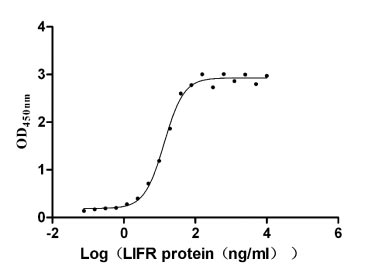
Recombinant Human Leukemia inhibitory factor receptor (LIFR), partial (Active)
Express system: Mammalian cell
Species: Homo sapiens (Human)
-
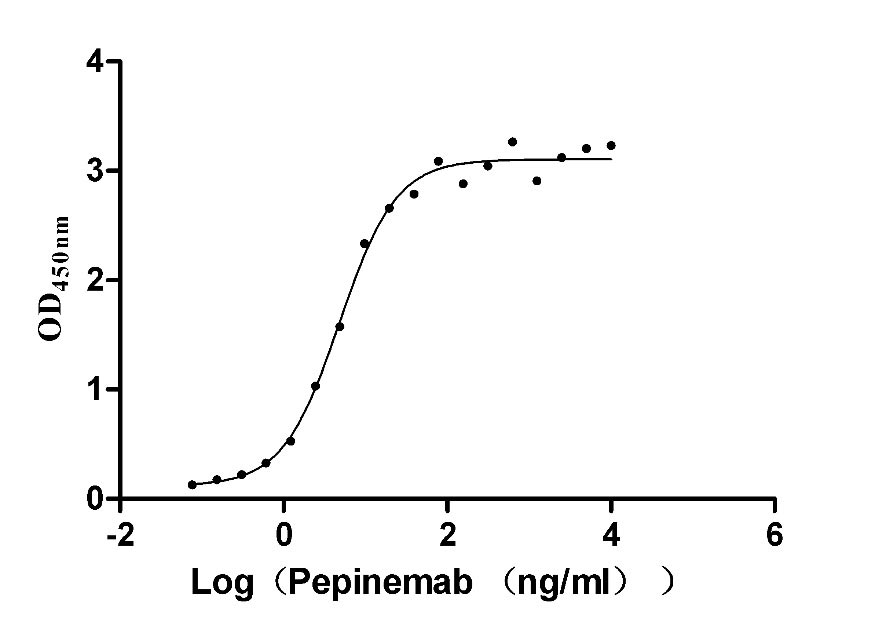
Recombinant Human Semaphorin-4D (SEMA4D), partial (Active)
Express system: Mammalian cell
Species: Homo sapiens (Human)
-
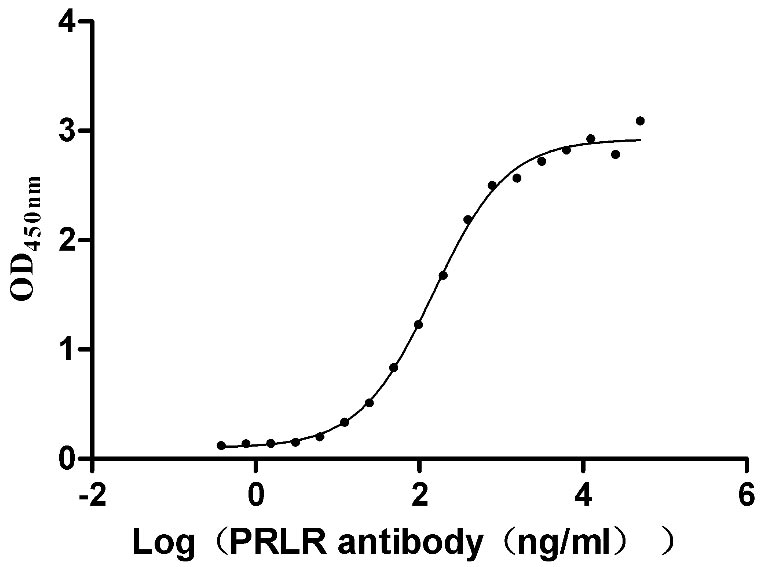
Recombinant Human Prolactin receptor (PRLR), partial (Active)
Express system: Mammalian cell
Species: Homo sapiens (Human)
-

Recombinant Human Intestinal-type alkaline phosphatase (ALPI) (Active)
Express system: Mammalian cell
Species: Homo sapiens (Human)
-
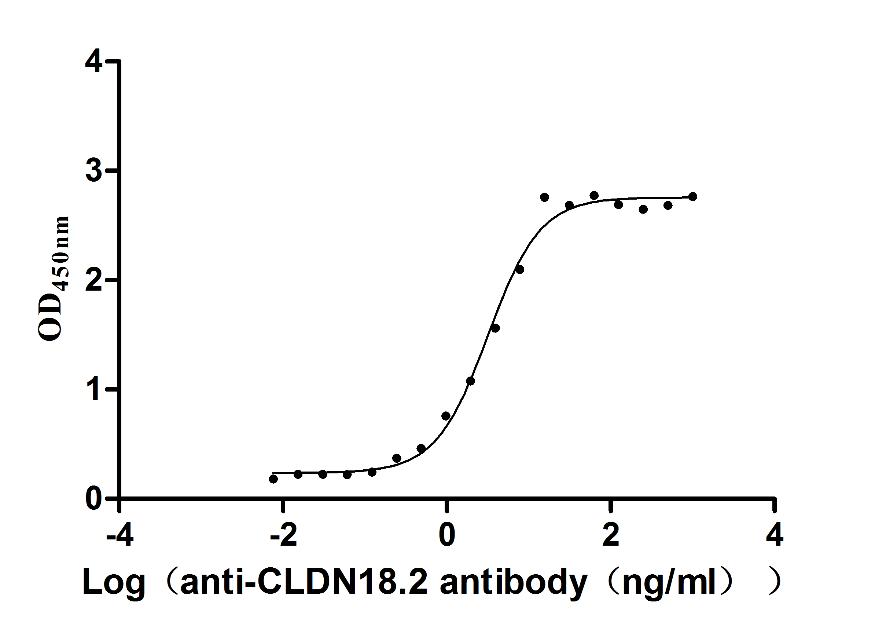
Recombinant Macaca fascicularis Claudin 18.2 (CLDN18.2)-VLPs (Active)
Express system: Mammalian cell
Species: Macaca fascicularis (Crab-eating macaque) (Cynomolgus monkey)
-
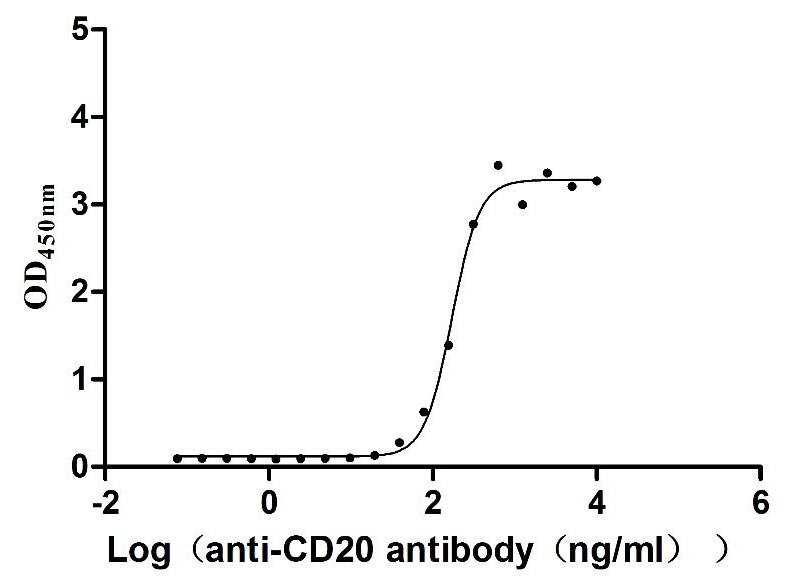
Recombinant Dog B-lymphocyte antigen CD20 (MS4A1)-VLPs (Active)
Express system: Mammalian cell
Species: Canis lupus familiaris (Dog) (Canis familiaris)
-
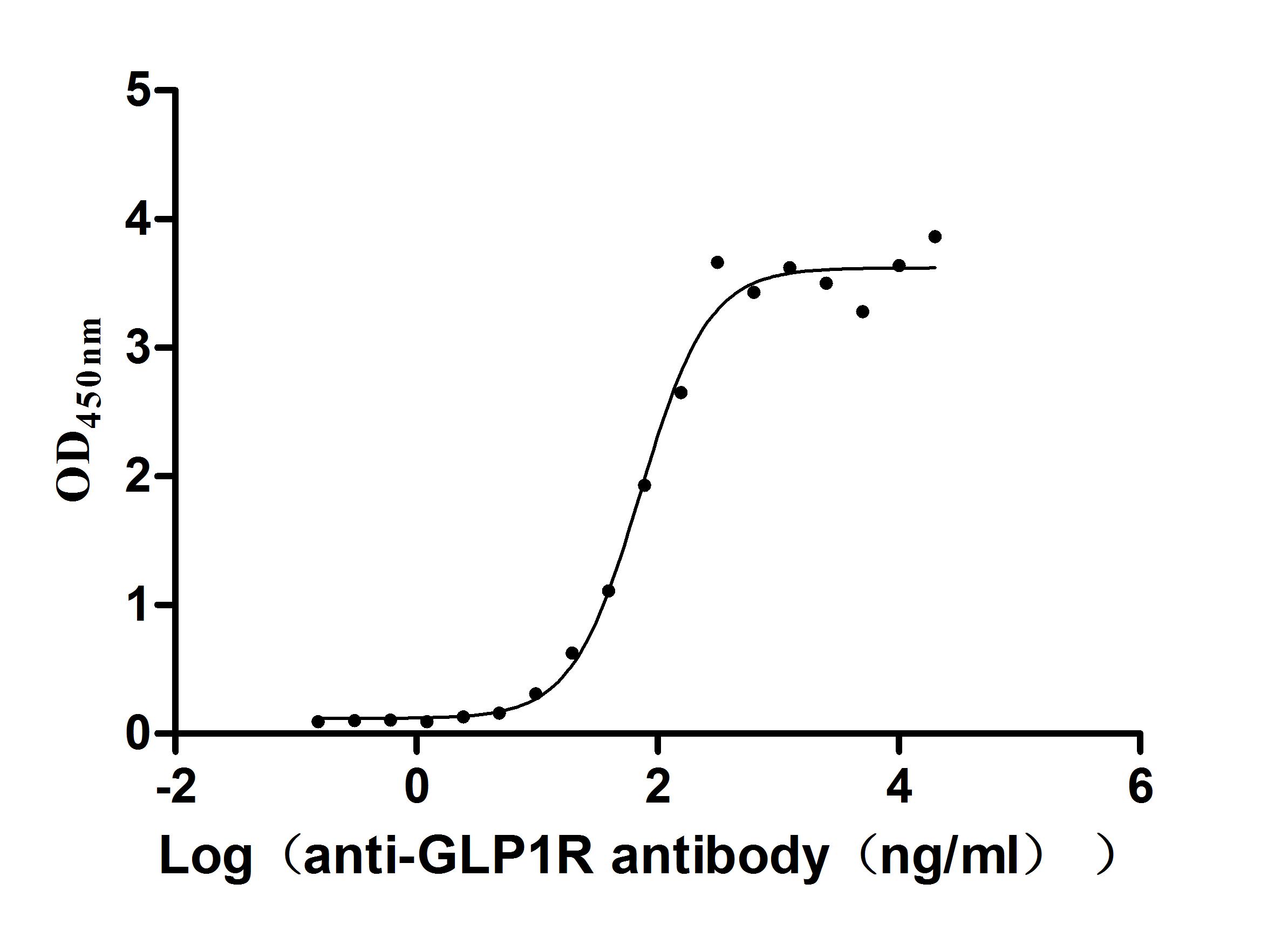
Recombinant Human Glucagon-like peptide 1 receptor (GLP1R), partial (Active)
Express system: Mammalian cell
Species: Homo sapiens (Human)
-
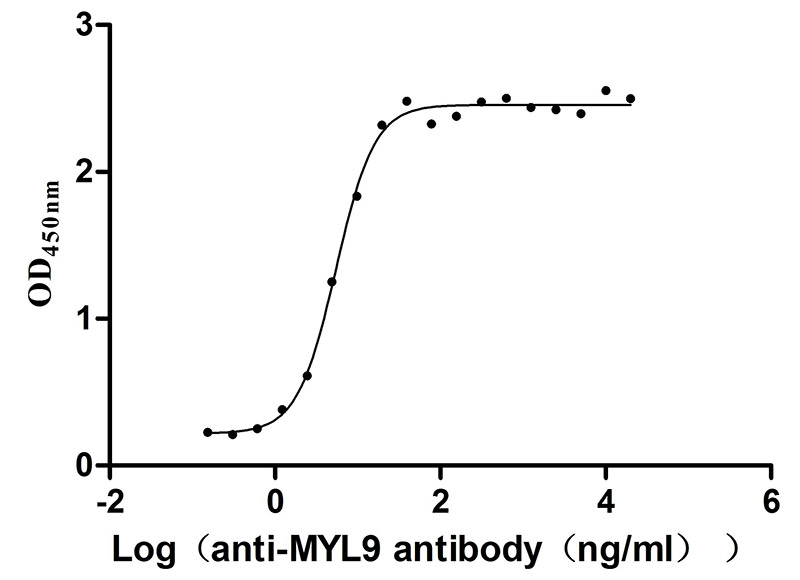
Recombinant Human Myosin regulatory light polypeptide 9 (MYL9) (Active)
Express system: Yeast
Species: Homo sapiens (Human)