Recombinant Rat Prokineticin-2 (Prok2)
-
中文名稱(chēng):大鼠Prok2重組蛋白
-
貨號(hào):CSB-YP837142RA
-
規(guī)格:
-
來(lái)源:Yeast
-
其他:
-
中文名稱(chēng):大鼠Prok2重組蛋白
-
貨號(hào):CSB-EP837142RA
-
規(guī)格:
-
來(lái)源:E.coli
-
其他:
-
中文名稱(chēng):大鼠Prok2重組蛋白
-
貨號(hào):CSB-EP837142RA-B
-
規(guī)格:
-
來(lái)源:E.coli
-
共軛:Avi-tag Biotinylated
E. coli biotin ligase (BirA) is highly specific in covalently attaching biotin to the 15 amino acid AviTag peptide. This recombinant protein was biotinylated in vivo by AviTag-BirA technology, which method is BriA catalyzes amide linkage between the biotin and the specific lysine of the AviTag.
-
其他:
-
中文名稱(chēng):大鼠Prok2重組蛋白
-
貨號(hào):CSB-BP837142RA
-
規(guī)格:
-
來(lái)源:Baculovirus
-
其他:
-
中文名稱(chēng):大鼠Prok2重組蛋白
-
貨號(hào):CSB-MP837142RA
-
規(guī)格:
-
來(lái)源:Mammalian cell
-
其他:
產(chǎn)品詳情
-
純度:>85% (SDS-PAGE)
-
基因名:Prok2
-
Uniprot No.:
-
別名:Prok2; Bv8; Prokineticin-2; PK2
-
種屬:Rattus norvegicus (Rat)
-
蛋白長(zhǎng)度:Full Length of Mature Protein
-
表達(dá)區(qū)域:27-107
-
氨基酸序列AVIT GACDKDSQCG GGMCCAVSIW VKSIRICTPM GQVGDSCHPL TRKVPFWGRR MHHTCPCLPG LACLRTSFNR FICLARK
-
蛋白標(biāo)簽:Tag?type?will?be?determined?during?the?manufacturing?process.
The tag type will be determined during production process. If you have specified tag type, please tell us and we will develop the specified tag preferentially. -
產(chǎn)品提供形式:Lyophilized powder
Note: We will preferentially ship the format that we have in stock, however, if you have any special requirement for the format, please remark your requirement when placing the order, we will prepare according to your demand. -
復(fù)溶:We recommend that this vial be briefly centrifuged prior to opening to bring the contents to the bottom. Please reconstitute protein in deionized sterile water to a concentration of 0.1-1.0 mg/mL.We recommend to add 5-50% of glycerol (final concentration) and aliquot for long-term storage at -20℃/-80℃. Our default final concentration of glycerol is 50%. Customers could use it as reference.
-
儲(chǔ)存條件:Store at -20°C/-80°C upon receipt, aliquoting is necessary for mutiple use. Avoid repeated freeze-thaw cycles.
-
保質(zhì)期:The shelf life is related to many factors, storage state, buffer ingredients, storage temperature and the stability of the protein itself.
Generally, the shelf life of liquid form is 6 months at -20°C/-80°C. The shelf life of lyophilized form is 12 months at -20°C/-80°C. -
貨期:Delivery time may differ from different purchasing way or location, please kindly consult your local distributors for specific delivery time.Note: All of our proteins are default shipped with normal blue ice packs, if you request to ship with dry ice, please communicate with us in advance and extra fees will be charged.
-
注意事項(xiàng):Repeated freezing and thawing is not recommended. Store working aliquots at 4°C for up to one week.
-
Datasheet :Please contact us to get it.
產(chǎn)品評(píng)價(jià)

靶點(diǎn)詳情
-
功能:May function as an output molecule from the suprachiasmatic nucleus (SCN) that transmits behavioral circadian rhythm. May also function locally within the SCN to synchronize output. Potently contracts gastrointestinal (GI) smooth muscle.
-
基因功能參考文獻(xiàn):
- Given one of the cognate receptors of prokineticin 2, prokineticin receptor 1 (PKR1) was significantly upregulated in orchitis as discussed in the current study, it is very likely that PK2/PKR1 signaling contribute to the development of inflammation-related testicular diseases. PMID: 26490969
- PROK2 plays a role in cerebral amyloidosis and that PROK2 antagonists may represent a new approach for ameliorating the defining pathology of AD. PMID: 26477583
- These results indicate that PK2 is sensitive to nutritional status in male rats and that this sensitivity has already been established by the early neonatal period. PMID: 25153663
- These results suggest that the sensitivity of hypothalamic PK2 expression to undernutrition develops during the early neonatal period. PMID: 24560704
- PK2 increases the activity of acid-sensing ion channels via the PK2 receptor and protein kinase C-dependent signal pathways in rat primary sensory neurons. PMID: 22642848
- findings indicate that PK2 can be activated by pathological stimuli such as hypoxia-ischemia and excitotoxic glutamate and identify PK2 as a deleterious mediator for cerebral ischemia PMID: 22431614
- Data suggest that elevated prokineticin 2 levels, as a consequence of gastrointestinal tract inflammation, induce visceral pain via prokineticin receptors. PMID: 22050240
- PK2 could alter cellular activities within the suprachiasmatic nuclei PMID: 21687716
- PK2 down-regulates the function of the GABA(A) receptor via G-protein and protein kinase C dependent signal pathways in primary sensory neurons and this depression might underlie the hyperalgesia induced by PK2. PMID: 20800074
- the level of area postrema neuronal excitability may be regulated by PK2, ultimately affecting autonomic control PMID: 20053957
- Intracerebroventricular administration of PK2 affects regulation of food intake. PMID: 19933997
- Prokineticin 2[PK2] modulates voltage-activated K(+) channels. Activation of subfornical organ neurons by PK2 illustrates a mechanism through which PK2 may exert circadian control of autonomic functions PMID: 15014112
- suggest an intrinsic PK2 neurotransmission and functionally distinct roles for PKR2-expressing neurons in the SCN. PMID: 16819985
- PK2 influences subfornical organ neurons through the activation of a MAP kinase cascade, which, in turn, modulates Na(+) and K(+) conductances PMID: 18614763
- Data show that the development and duration of pain temporally correlated with the expression levels of PK2 in the inflamed sites. PMID: 19667192
顯示更多
收起更多
-
亞細(xì)胞定位:Secreted.
-
蛋白家族:AVIT (prokineticin) family
-
組織特異性:Expressed at high levels in testis and at lower levels in brain, lung, ovary, spleen, thymus and uterus.
-
數(shù)據(jù)庫(kù)鏈接:
KEGG: rno:192206
UniGene: Rn.211872
Most popular with customers
-
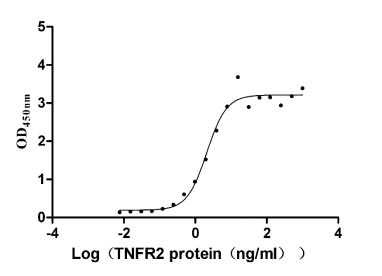
Recombinant Human Lymphotoxin-alpha (LTA) (Active)
Express system: Mammalian cell
Species: Homo sapiens (Human)
-
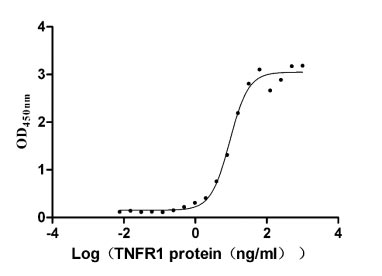
Recombinant Human Tumor necrosis factor receptor superfamily member 1A (TNFRSF1A), partial (Active)
Express system: Mammalian cell
Species: Homo sapiens (Human)
-
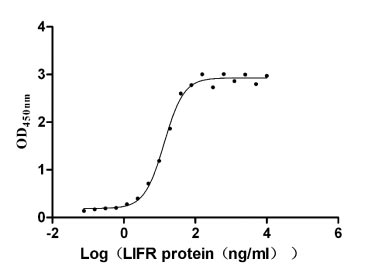
Recombinant Human Leukemia inhibitory factor receptor (LIFR), partial (Active)
Express system: Mammalian cell
Species: Homo sapiens (Human)
-
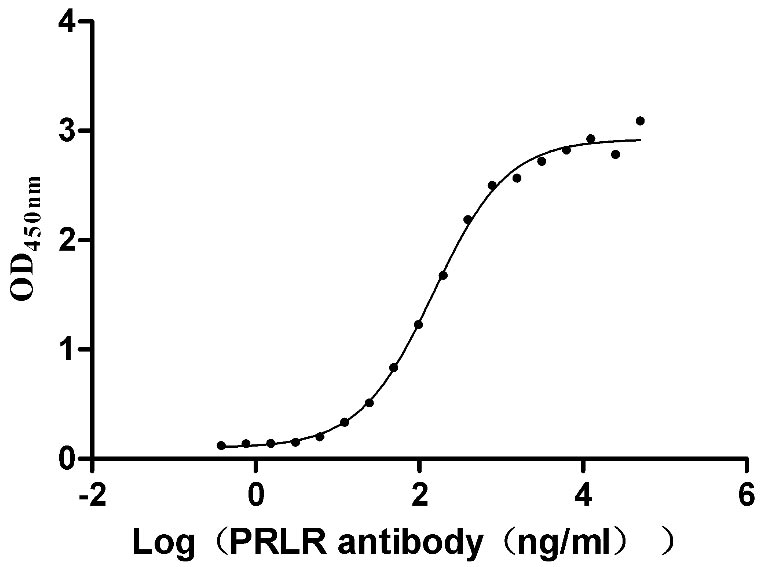
Recombinant Human Prolactin receptor (PRLR), partial (Active)
Express system: Mammalian cell
Species: Homo sapiens (Human)
-
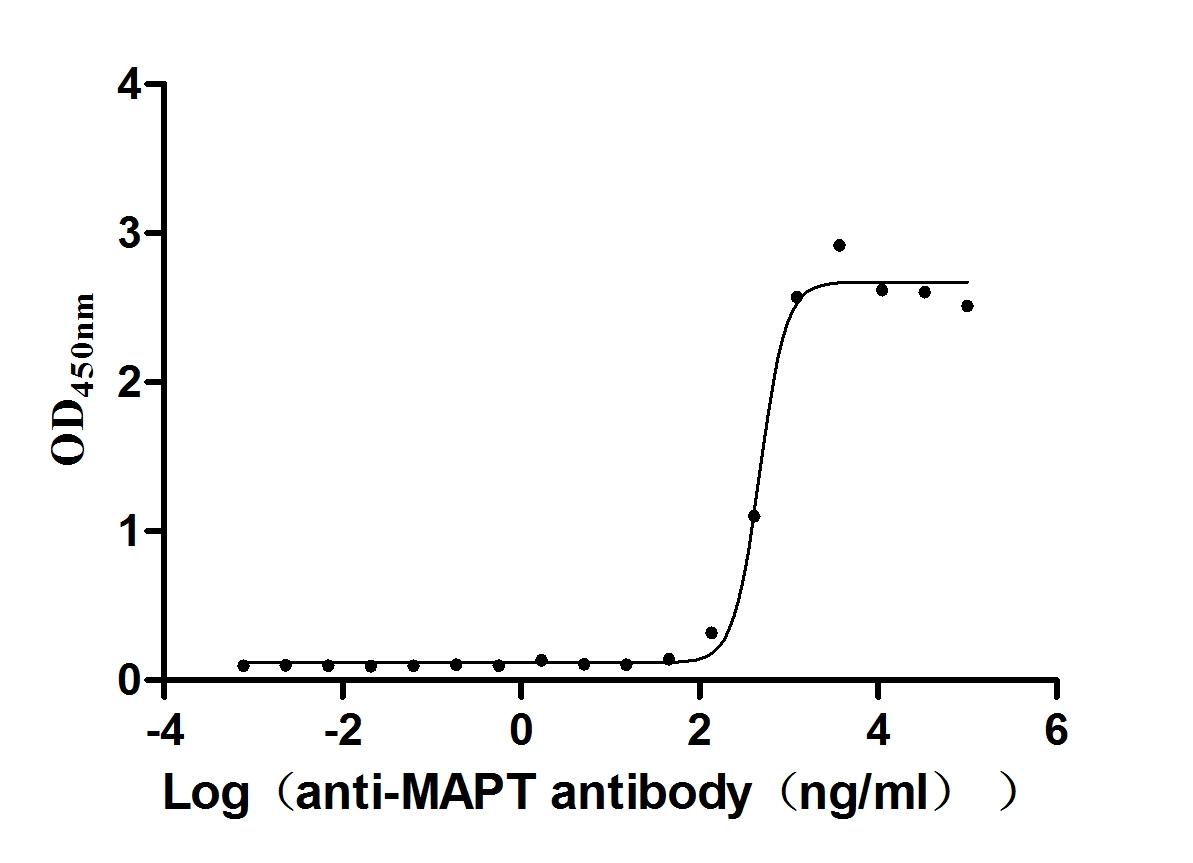
Recombinant Mouse Microtubule-associated protein tau (Mapt) (Active)
Express system: Mammalian cell
Species: Mus musculus (Mouse)
-
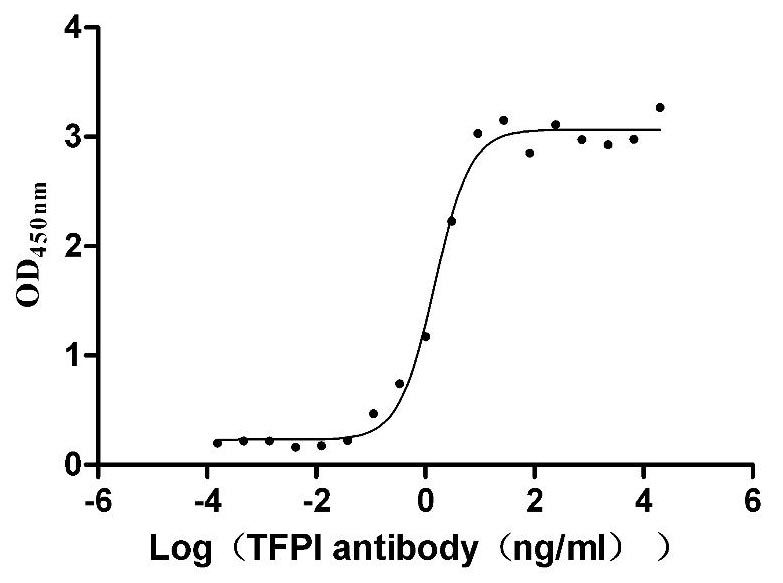
Recombinant Human Tissue factor pathway inhibitor (TFPI), partial (Active)
Express system: Mammalian cell
Species: Homo sapiens (Human)
-
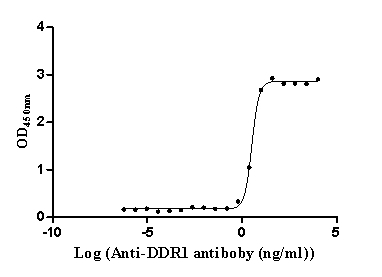
Recombinant Human Epithelial discoidin domain-containing receptor 1 (DDR1), partial (Active)
Express system: Mammalian cell
Species: Homo sapiens (Human)
-
-AC1.jpg)
Recombinant Mouse Claudin-18.2 (Cldn18.2)-VLPs (Active)
Express system: Mammalian cell
Species: Mus musculus (Mouse)