
Recombinant Mouse Tumor necrosis factor receptor superfamily member 13C (Tnfrsf13c), partial
-
中文名稱:Recombinant Mouse Tumor necrosis factor receptor superfamily member 13C (Tnfrsf13c), partial
-
品名簡稱:Recombinant Mouse Tnfrsf13c protein, partial
-
貨號:CSB-MP884026MO
-
說明書:
-
規格:¥828
-
圖片:
-
 (Tris-Glycine gel) Discontinuous SDS-PAGE (reduced) with 5% enrichment gel and 15% separation gel.
-
-
其他:
產品詳情
-
純度:Greater than 95% as determined by SDS-PAGE.
-
生物活性:Not Test
-
基因名:
-
Uniprot No.:
-
別名:B-cell maturation defect;B-cell-activating factor receptor;BAFF receptor;BLyS receptor 3
-
種屬:Mus musculus (Mouse)
-
蛋白長度:Partial
-
來源:Mammalian cell
-
分子量:8.4 kDa
-
表達區域:10-71aa
-
氨基酸序列SQRSRDSSVPTQCNQTECFDPLVRNCVSCELFHTPDTGHTSSLEPGTALQPQEGSALRPDVA
Note: The complete sequence may include tag sequence, target protein sequence, linker sequence and extra sequence that is translated with the protein sequence for the purpose(s) of secretion, stability, solubility, etc.
If the exact amino acid sequence of this recombinant protein is critical to your application, please explicitly request the full and complete sequence of this protein before ordering. -
蛋白標簽:C-terminal 10xHis-tagged
-
產品提供形式:Liquid or Lyophilized powder
Note: We will preferentially ship the format that we have in stock, however, if you have any special requirement for the format, please remark your requirement when placing the order, we will prepare according to your demand. -
緩沖液:If the delivery form is liquid, the default storage buffer is Tris/PBS-based buffer, 5%-50% glycerol. If the delivery form is lyophilized powder, the buffer before lyophilization is Tris/PBS-based buffer, 6% Trehalose, pH 8.0.
-
復溶:We recommend that this vial be briefly centrifuged prior to opening to bring the contents to the bottom. Please reconstitute protein in deionized sterile water to a concentration of 0.1-1.0 mg/mL.We recommend to add 5-50% of glycerol (final concentration) and aliquot for long-term storage at -20℃/-80℃. Our default final concentration of glycerol is 50%. Customers could use it as reference.
-
儲存條件:Store at -20°C/-80°C upon receipt, aliquoting is necessary for mutiple use. Avoid repeated freeze-thaw cycles.
-
保質期:The shelf life is related to many factors, storage state, buffer ingredients, storage temperature and the stability of the protein itself.
Generally, the shelf life of liquid form is 6 months at -20°C/-80°C. The shelf life of lyophilized form is 12 months at -20°C/-80°C. -
貨期:Basically, we can dispatch the products out in 3-7 working days after receiving your orders. Delivery time may differ from different purchasing way or location, please kindly consult your local distributors for specific delivery time.
-
注意事項:Repeated freezing and thawing is not recommended. Store working aliquots at 4°C for up to one week.
-
Datasheet & COA:Please contact us to get it.
產品評價

相關產品
靶點詳情
-
功能:B-cell receptor specific for TNFSF13B/TALL1/BAFF/BLyS. Promotes the survival of mature B-cells and the B-cell response.
-
基因功能參考文獻:
- results indicate that the BAFF-BAFFR ligation bridged between microglia and neurons could play a critical neuroprotective role in brain ischemic injuries PMID: 28918255
- These findings elucidate a crucial molecular pathway of B cell selection in the earliest phases of activation by identifying a novel link between B cell receptor affinity and BAFF-R signaling towards Mcl-1. PMID: 27762293
- B cell-activating factor (BAFF) upregulates CD28/B7 and CD40/CD154 expression, and promotes the interactions between T and B cells in a BAFF receptor-dependent manner. PMID: 27180986
- conclude that P44S BAFFR mutation does not hinder BAFFR function or enhance B cell activity in MRL/Lpr and MRL mice and that other susceptibility loci on the MRL background contributed to the hyperactivity of these cells PMID: 27149280
- Results from this study suggest blockade of CXCL13 and BAFFR together may be an effective therapeutic strategy in preventing salivary hypofunction and reducing autoantibody titers and sialadenitis in patients with Sjogren's syndrome PMID: 26826598
- Syk-deficient B cells require BAFF receptor and CD19/PI3K signaling for their long-term survival. PMID: 25630702
- In conclusion, BAFFR signaling affects both innate and adaptive immune activation during viral infections. PMID: 25673724
- BAFF controls neural cell survival through BAFF receptor. PMID: 23923031
- BAFF receptor deficiency limits Murid herpesvirus 4 infection. PMID: 24501409
- Although we have found that TACI is dispensable for controlling B. hermsii infection, mice deficient in BAFFR or BAFF exhibit impairment in B. hermsii-specific IgM responses and clearance of bacteremia. PMID: 24218480
- tnfrsf13c is dispensable for the development of SLE in NZM mice. PMID: 23334904
- Data show that the B cell antigen receptor (BCR) and Igalpha may be required for B cell survival because they function as adaptor proteins in a BAFFR signaling pathway leading to activation of Syk, indicating crosstalk between the two receptors. PMID: 23453634
- BAFF downregulates the expression of steatogenesis genes and enhances steatosis in hepatocytes through BAFF-R. PMID: 23318884
- BAFF-R deficiency in mice selectively alters mature B2 cell-dependent cellular and humoral immune responses and limits the development of atherosclerosis. PMID: 22426131
- Targeting the BAFF-R to specifically reduce atherogenic B2 cell numbers while preserving atheroprotective B1a cell numbers may be a potential therapeutic strategy to reduce atherosclerosis by potently reducing arterial inflammation. PMID: 22238605
- Soluble BAFF levels inversely correlate with peripheral B cell numbers and the expression of BAFF receptors. PMID: 22124120
- These findings indicate that upregulation of TLR7 may augment BAFF secretion by APC and through ligation of BAFF-R promote autoreactive B cell survival and thus anti-platelet autoantibody production. PMID: 21818370
- BLyS receptor expression and downstream signaling were normal in CD22(-/-) B cells, suggesting that CD22 does not directly alter BLyS responsiveness PMID: 20513733
- our data indicate that BAFFR and tonic BCR signals cooperate to enable nonautoreactive immature B cells to differentiate into transitional B cells and to be positively selected into the naive B cell repertoire. PMID: 20861359
- Polymorphisms at the APOBEC3 and BAFF-R loci influence the production of virus-neutralizing antibodies upon friend virus infection. PMID: 20375169
- Tnfrsf13c (Baffr) is mis-expressed in tumors with murine leukemia virus insertions at Lvis22 PMID: 12160734
- the ligand binding interface of BAFF/BLyS receptor 3 was investigated and found to reside within a 26 residue core domain PMID: 12387744
- BAFF-R is a receptor for the TNF family member ligand, BAFF [review] PMID: 12456020
- BAFF-R function is essential at every stage of follicular (and marginal zone) B cell development and homeostasis beginning with the earliest T1 B cell stage. PMID: 12707337
- Data suggest that the BAFF receptor-mediated survival signal, provided by phospholipase c-gamma2, is not sufficient to promote B cell maturation. PMID: 12913095
- These data demonstrate a multifaceted role for the BAFF pathway in regulating GC progression. PMID: 14557413
- BAFF receptor regulates key and nonoverlapping aspects of peripheral B cell survival and development. PMID: 15528355
- TACI and BAFF-R are able to transduce signals that result in isotype switching in B cells. PMID: 15630136
- the PVPAT sequence of BAFFR not only functions as a key signaling motif of BAFFR but also determines its signaling specificity in the induction of the noncanonical NF-kappaB pathway PMID: 15644327
- Canonical NF-kappaB activity can substitute for BAFF-R signals in B cell development and pathogenesis. PMID: 16782029
- BR3, which is expressed on all mature B cells, is a specific receptor for the B-cell survival and maturation factor BAFF[br3] PMID: 16840730
- Review. BLyS signaling via BR3 is the dominant homeostatic regulator of primary B cell pools. PMID: 16919470
- Review. BAFF and its receptor have roles in B cell biology outside of a survival mechanism. These include germinal center maintenance, isotype switching, and regulation of specific B cell surface markers. PMID: 16931038
- the BAFF/BAFF receptor system is critical for the development of skin fibrosis in TSK/+ mice PMID: 17581616
- BAFF/BAFF receptor survival signals may require both classical (p50 and alternative (p52) NF-kappaB activation. PMID: 17785824
- Altered signaling is linked to the development of B cell-mediated autoimmunity. PMID: 18200501
- Report bioassay for BAFF based on expression of a mouse BAFF-receptor ectodomain-human tumour necrosis factor-related apoptosis-inducing ligand (TRAIL) receptor-2 endodomain fusion receptor in human rhabdomyosarcoma cells. PMID: 18625509
- BAFF-induced signaling pathways are mediated by BAFF-R and represent previously unknown arms of I kappa B kinase (IKK)1-dependent signaling, controlling mature B cell homeostasis PMID: 18713867
- We propose that in A/WySnJ mice an excess of BAFF per B cell rescues self-reactive B cells through a partially functional BAFF-R in a B-lymphopenic environment. PMID: 19152335
- acquisition of resistance to apoptosis during transitional B cell maturation is achieved by integration of B cell receptor and B cell activating factor receptor signals PMID: 19494297
- BaffrDelta168-175 deletion mutant lacking the retrotransposon-displaced residues, and a BaffrT170A mutant lacking a critical threonine, supported B cell survival but failed to support optimal CD21/35 expression. PMID: 19815275
- B cell receptor (Bcr) and BAFF receptor (BAFF-R) independently and in concert regulate the survival, differentiation, and function of all B cell populations at and beyond early (T1) precursor cells, the earliest transitional differentiation stage. PMID: 19843948
顯示更多
收起更多
-
相關疾病:Defects in Tnfrsf13c are a cause of severe B-cell deficiency. B-cell deficient strain A/WySnJ has a 4.7 kb insertion in the BAFFR gene leading to an altered C-terminus. The mutant RNA is not detectable. B-cell lymphopoiesis is normal, but the life span of peripheral B-cells is much reduced.
-
亞細胞定位:Membrane; Single-pass type III membrane protein.
-
組織特異性:Highly expressed in spleen and testis; detected at lower levels in lung and thymus.
-
數據庫鏈接:
Most popular with customers
-
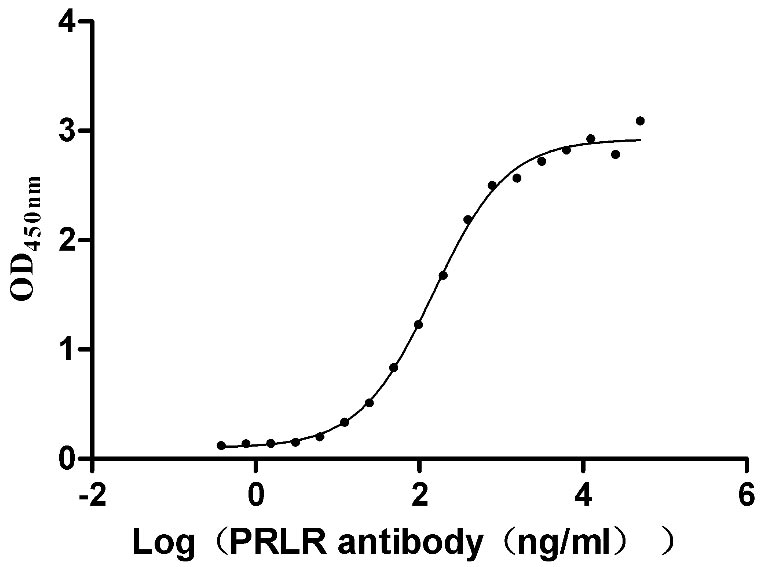
Recombinant Human Prolactin receptor (PRLR), partial (Active)
Express system: Mammalian cell
Species: Homo sapiens (Human)
-
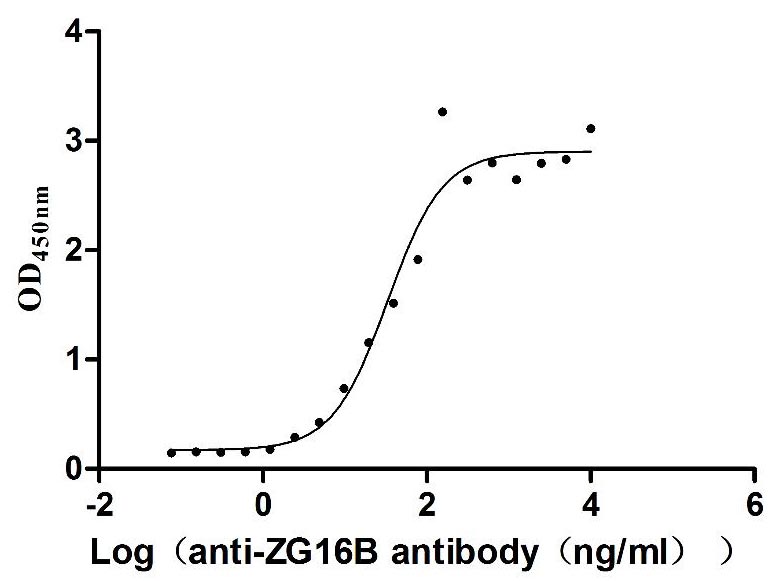
Recombinant Human Pancreatic adenocarcinoma up-regulated factor (ZG16B) (Active)
Express system: Mammalian cell
Species: Homo sapiens (Human)
-
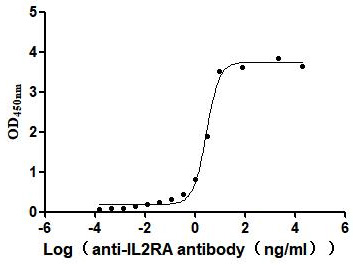
Recombinant Human Interleukin-2 receptor subunit alpha (IL2RA), partial (Active)
Express system: Mammalian cell
Species: Homo sapiens (Human)
-
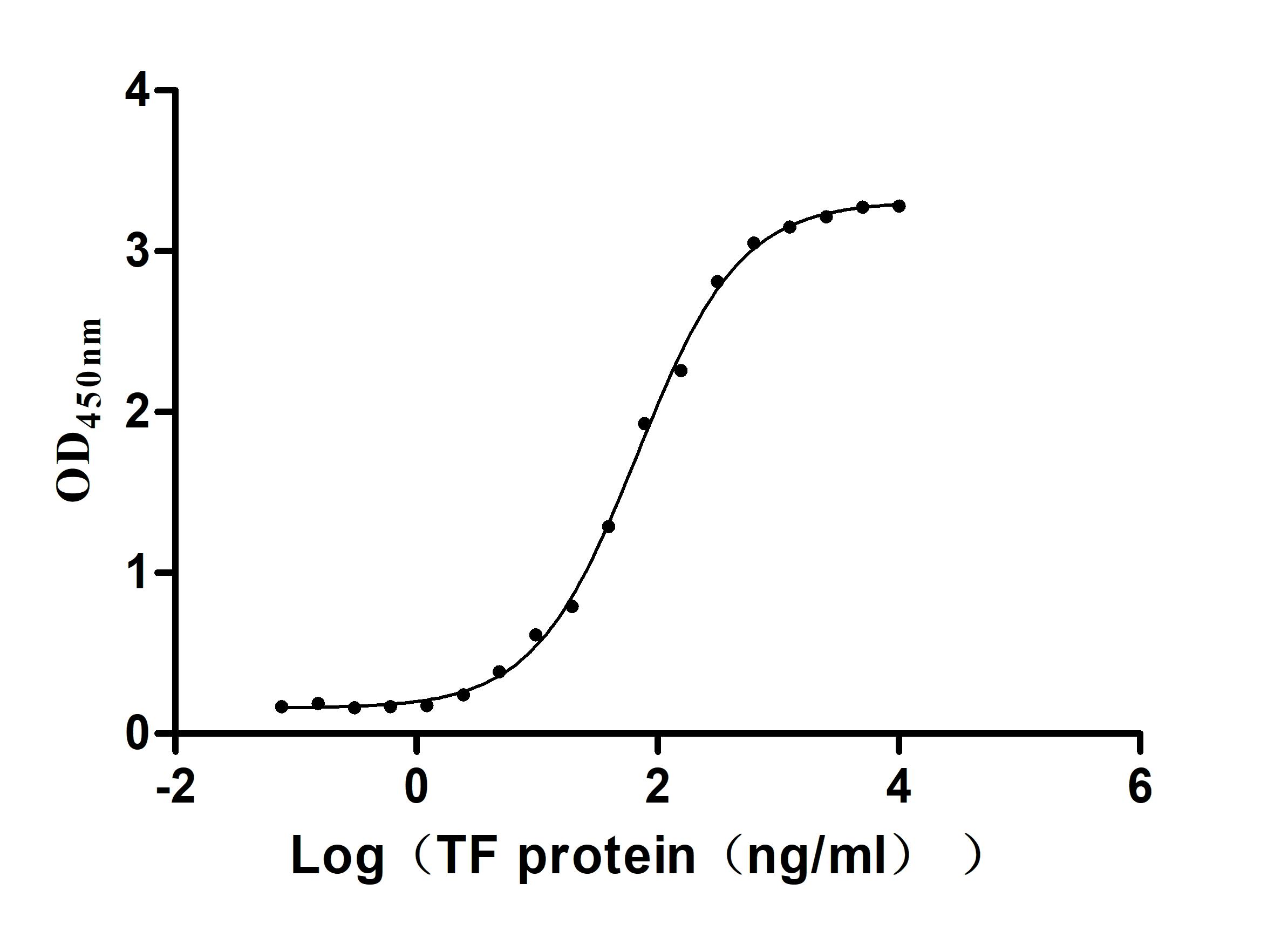
Recombinant Human Serotransferrin(TF) (Active)
Express system: Mammalian cell
Species: Homo sapiens (Human)
-
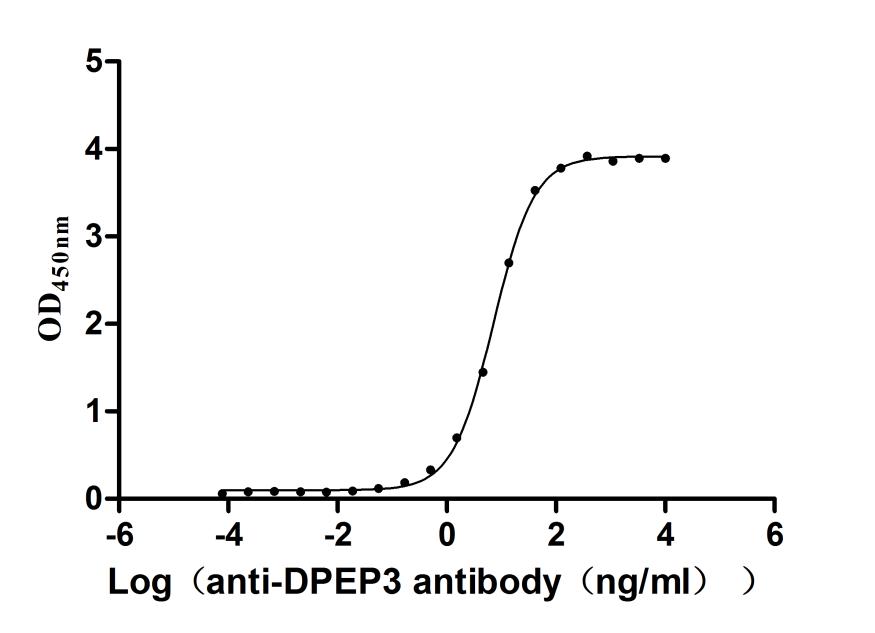
Recombinant Human Dipeptidase 3(DPEP3), partial (Active)
Express system: Mammalian cell
Species: Homo sapiens (Human)
-
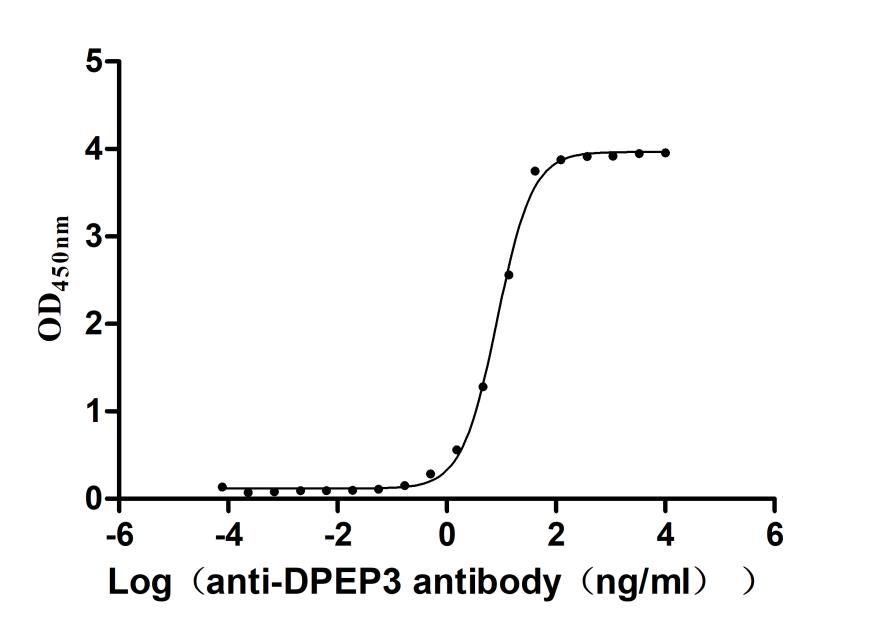
Recombinant Macaca fascicularis Dipeptidase 3(DPEP3) (Active)
Express system: Mammalian cell
Species: Macaca fascicularis (Crab-eating macaque) (Cynomolgus monkey)
-
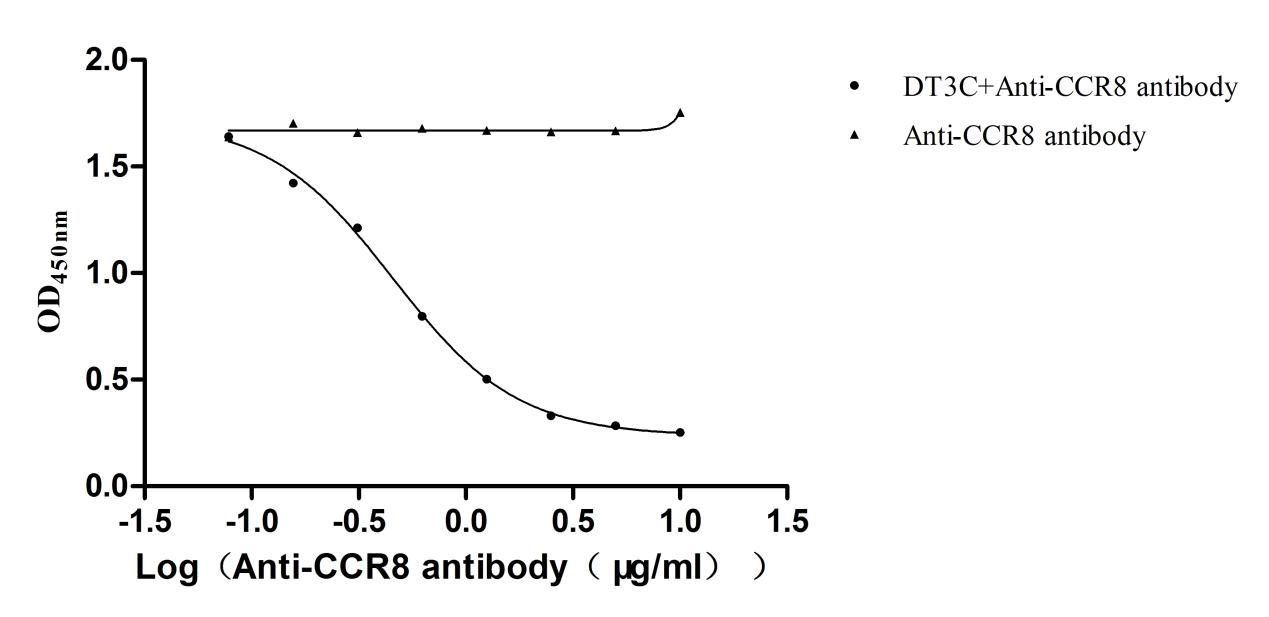
Recombinant DT3C (Diphtheria toxin & spg 3C domain) for Antibody Internalization Assay (Active)
Express system: E.coli
Species: N/A