Recombinant Mouse Structural maintenance of chromosomes protein 1A (Smc1a), partial
-
中文名稱:小鼠Smc1a重組蛋白
-
貨號:CSB-YP863444MO
-
規格:
-
來源:Yeast
-
其他:
-
中文名稱:小鼠Smc1a重組蛋白
-
貨號:CSB-EP863444MO
-
規格:
-
來源:E.coli
-
其他:
-
中文名稱:小鼠Smc1a重組蛋白
-
貨號:CSB-EP863444MO-B
-
規格:
-
來源:E.coli
-
共軛:Avi-tag Biotinylated
E. coli biotin ligase (BirA) is highly specific in covalently attaching biotin to the 15 amino acid AviTag peptide. This recombinant protein was biotinylated in vivo by AviTag-BirA technology, which method is BriA catalyzes amide linkage between the biotin and the specific lysine of the AviTag.
-
其他:
-
中文名稱:小鼠Smc1a重組蛋白
-
貨號:CSB-BP863444MO
-
規格:
-
來源:Baculovirus
-
其他:
-
中文名稱:小鼠Smc1a重組蛋白
-
貨號:CSB-MP863444MO
-
規格:
-
來源:Mammalian cell
-
其他:
產品詳情
-
純度:>85% (SDS-PAGE)
-
基因名:
-
Uniprot No.:
-
別名:Smc1a; Sb1.8; Smc1; Smc1l1; Smcb; Structural maintenance of chromosomes protein 1A; SMC protein 1A; SMC-1-alpha; SMC-1A; Chromosome segregation protein SmcB; Sb1.8
-
種屬:Mus musculus (Mouse)
-
蛋白長度:Partial
-
蛋白標簽:Tag?type?will?be?determined?during?the?manufacturing?process.
The tag type will be determined during production process. If you have specified tag type, please tell us and we will develop the specified tag preferentially. -
產品提供形式:Lyophilized powder
Note: We will preferentially ship the format that we have in stock, however, if you have any special requirement for the format, please remark your requirement when placing the order, we will prepare according to your demand. -
復溶:We recommend that this vial be briefly centrifuged prior to opening to bring the contents to the bottom. Please reconstitute protein in deionized sterile water to a concentration of 0.1-1.0 mg/mL.We recommend to add 5-50% of glycerol (final concentration) and aliquot for long-term storage at -20℃/-80℃. Our default final concentration of glycerol is 50%. Customers could use it as reference.
-
儲存條件:Store at -20°C/-80°C upon receipt, aliquoting is necessary for mutiple use. Avoid repeated freeze-thaw cycles.
-
保質期:The shelf life is related to many factors, storage state, buffer ingredients, storage temperature and the stability of the protein itself.
Generally, the shelf life of liquid form is 6 months at -20°C/-80°C. The shelf life of lyophilized form is 12 months at -20°C/-80°C. -
貨期:Delivery time may differ from different purchasing way or location, please kindly consult your local distributors for specific delivery time.Note: All of our proteins are default shipped with normal blue ice packs, if you request to ship with dry ice, please communicate with us in advance and extra fees will be charged.
-
注意事項:Repeated freezing and thawing is not recommended. Store working aliquots at 4°C for up to one week.
-
Datasheet :Please contact us to get it.
產品評價

靶點詳情
-
功能:Involved in chromosome cohesion during cell cycle and in DNA repair. Involved in DNA repair via its interaction with BRCA1 and its related phosphorylation by ATM, and works as a downstream effector in the ATM/NBS1 branch of S-phase checkpoint. Central component of cohesin complex. The cohesin complex is required for the cohesion of sister chromatids after DNA replication. The cohesin complex apparently forms a large proteinaceous ring within which sister chromatids can be trapped. At anaphase, the complex is cleaved and dissociates from chromatin, allowing sister chromatids to segregate. The cohesin complex may also play a role in spindle pole assembly during mitosis. Involved in DNA repair via its interaction with BRCA1 and its related phosphorylation by ATM, or via its phosphorylation by ATR. Works as a downstream effector both in the ATM/NBS1 branch and in the ATR/MSH2 branch of S-phase checkpoint.
-
基因功能參考文獻:
- To decipher the functions of the two meiosis-specific kleisins, REC8 or RAD21L, together with the only meiosis-specific SMC protein SMC1b, we generated Smc1b-/-Rec8-/- and Smc1b-/-Rad21L-/- mouse mutants. PMID: 27792785
- expression analysis of Smc1a and Nipbl in developing mouse embryos reveals a specific pattern in the hindbrain PMID: 26206533
- SMC1A participates in tissue-specific enhancer-promoter interactions and interactions that demarcate regions of correlated regulatory output. PMID: 23704192
- Point mutation at the Nbs1 Threonine 278 site does not affect mouse development, but compromises the Chk2 and Smc1 phosphorylation after DNA damage. PMID: 21664921
- A positively charged channel within the Smc1/Smc3 hinge required for sister chromatid cohesion. PMID: 21139566
- SMC1alpha is mainly associated with homologous or non-homologous synapsed regions. The protein also localizes along meiotic chromosome cores of Spo11 null spermatocytes. PMID: 12498344
- observations suggest that many of the abnormal stress responses seen in cells lacking ATM, NBS1, or BRCA1 result from a failure of ATM migration to sites of DNA breaks and a resultant lack of SMC1 phosphorylation. PMID: 15175241
- SMC1beta was found along the axial elements of synaptonemal complexes in prophase I of testis sections and chromosome spreads . Thus, SMC1beta and not SMC1alpha is likely involved in maintaining cohesion between sister centromeres until anaphase II. PMID: 11564881
顯示更多
收起更多
-
亞細胞定位:Nucleus. Chromosome. Chromosome, centromere.
-
蛋白家族:SMC family, SMC1 subfamily
-
組織特異性:Ubiquitous (at protein level).
-
數據庫鏈接:
Most popular with customers
-
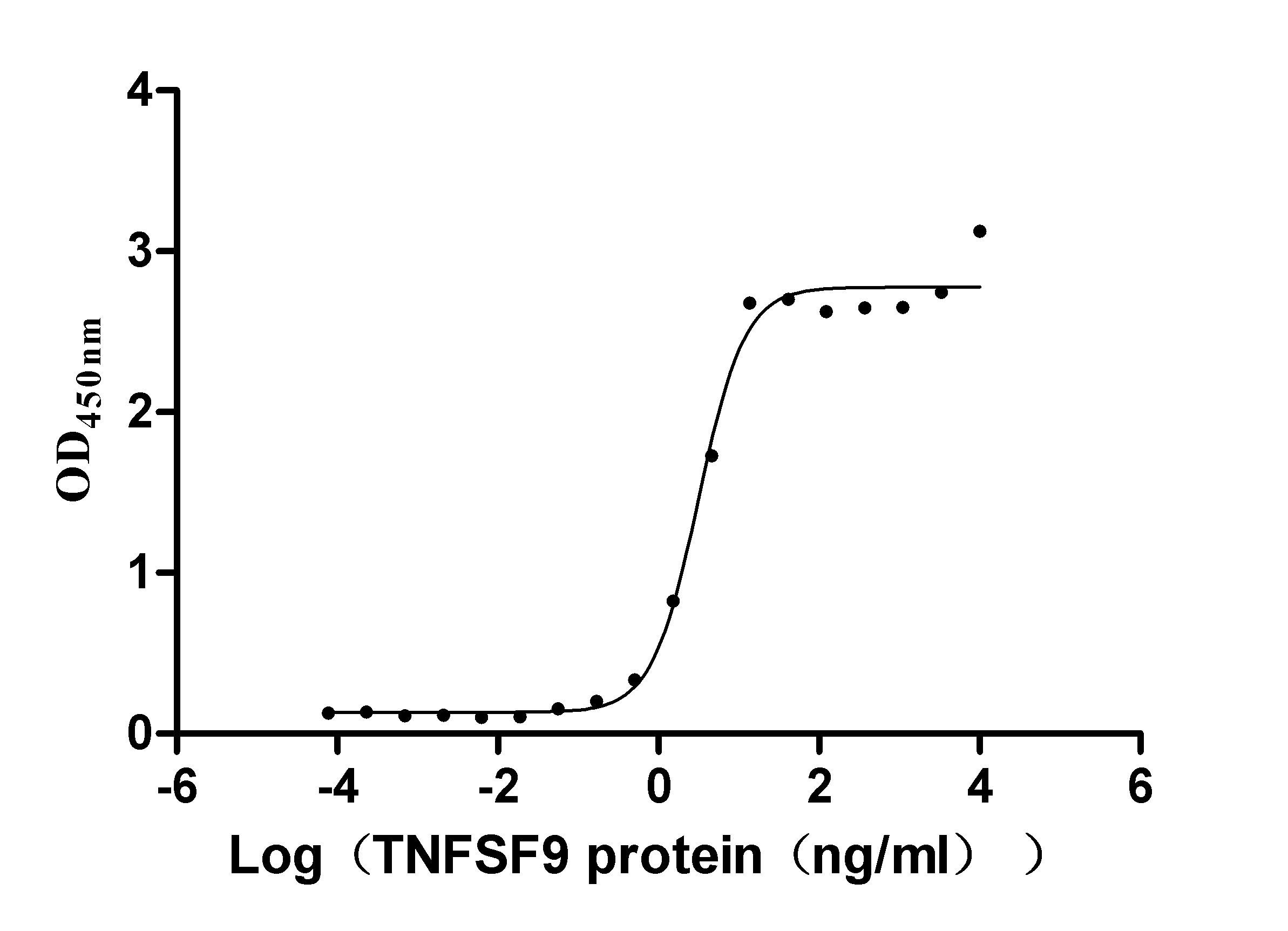
Recombinant Human Tumor necrosis factor ligand superfamily member 9 (TNFSF9), partial (Active)
Express system: Mammalian cell
Species: Homo sapiens (Human)
-
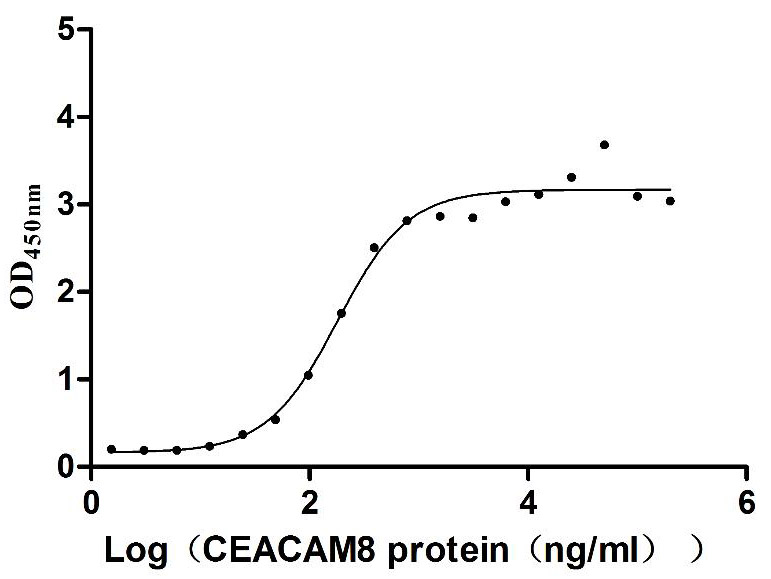
Recombinant Human Carcinoembryonic antigen-related cell adhesion molecule 6 (CEACAM6) (Active)
Express system: Mammalian cell
Species: Homo sapiens (Human)
-
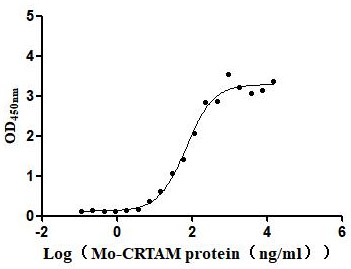
Recombinant Mouse Cell adhesion molecule 1 (Cadm1), partial (Active)
Express system: Mammalian cell
Species: Mus musculus (Mouse)
-
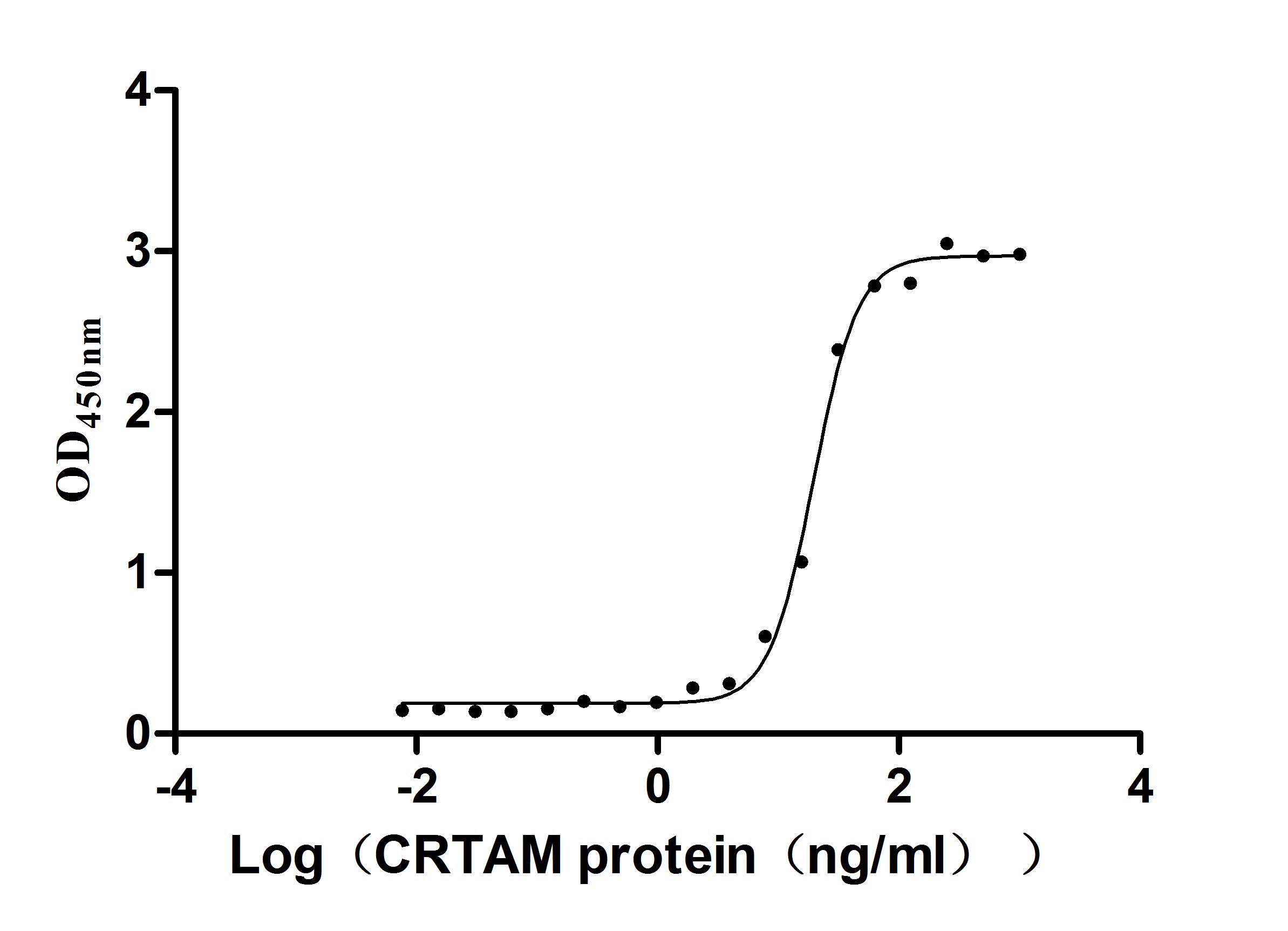
Recombinant Human Cell adhesion molecule 1 (CADM1), partial (Active)
Express system: Mammalian cell
Species: Homo sapiens (Human)
-
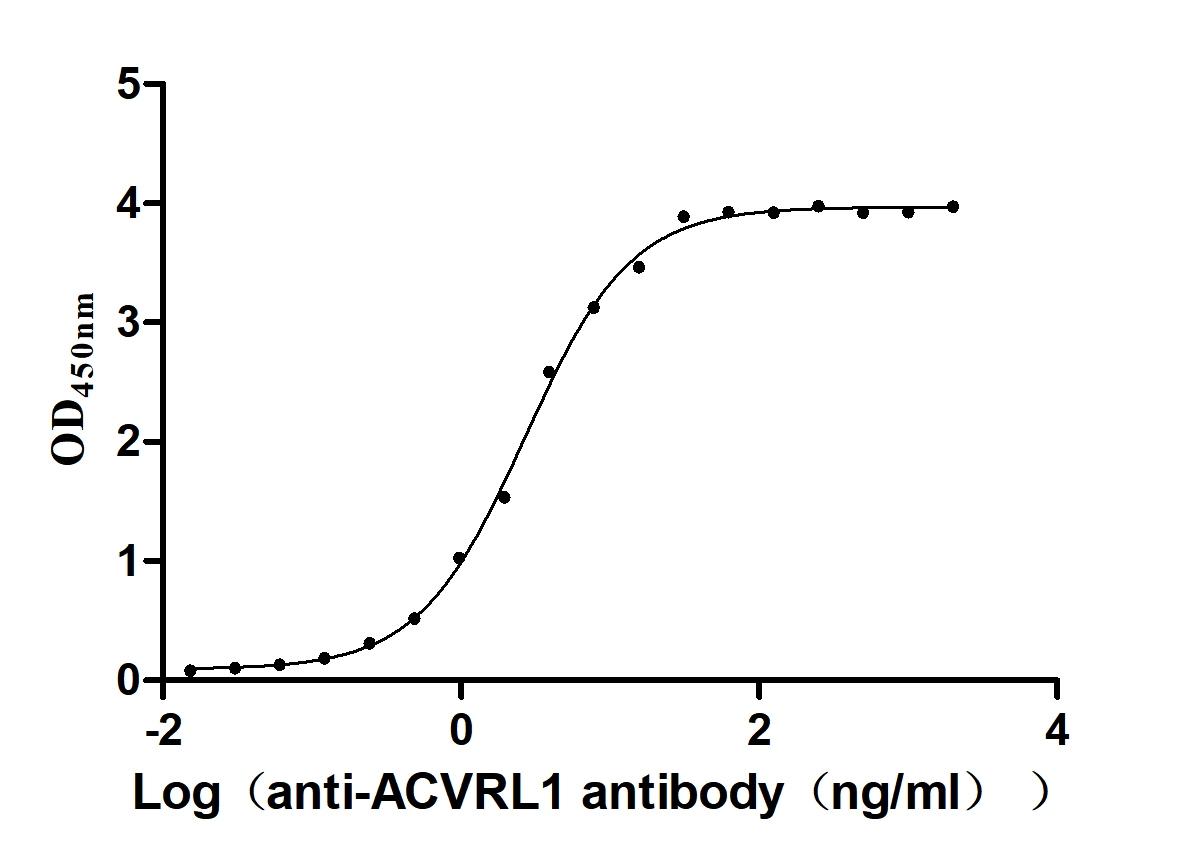
Recombinant Human Serine/threonine-protein kinase receptor R3 (ACVRL1), partial (Active)
Express system: Baculovirus
Species: Homo sapiens (Human)
-
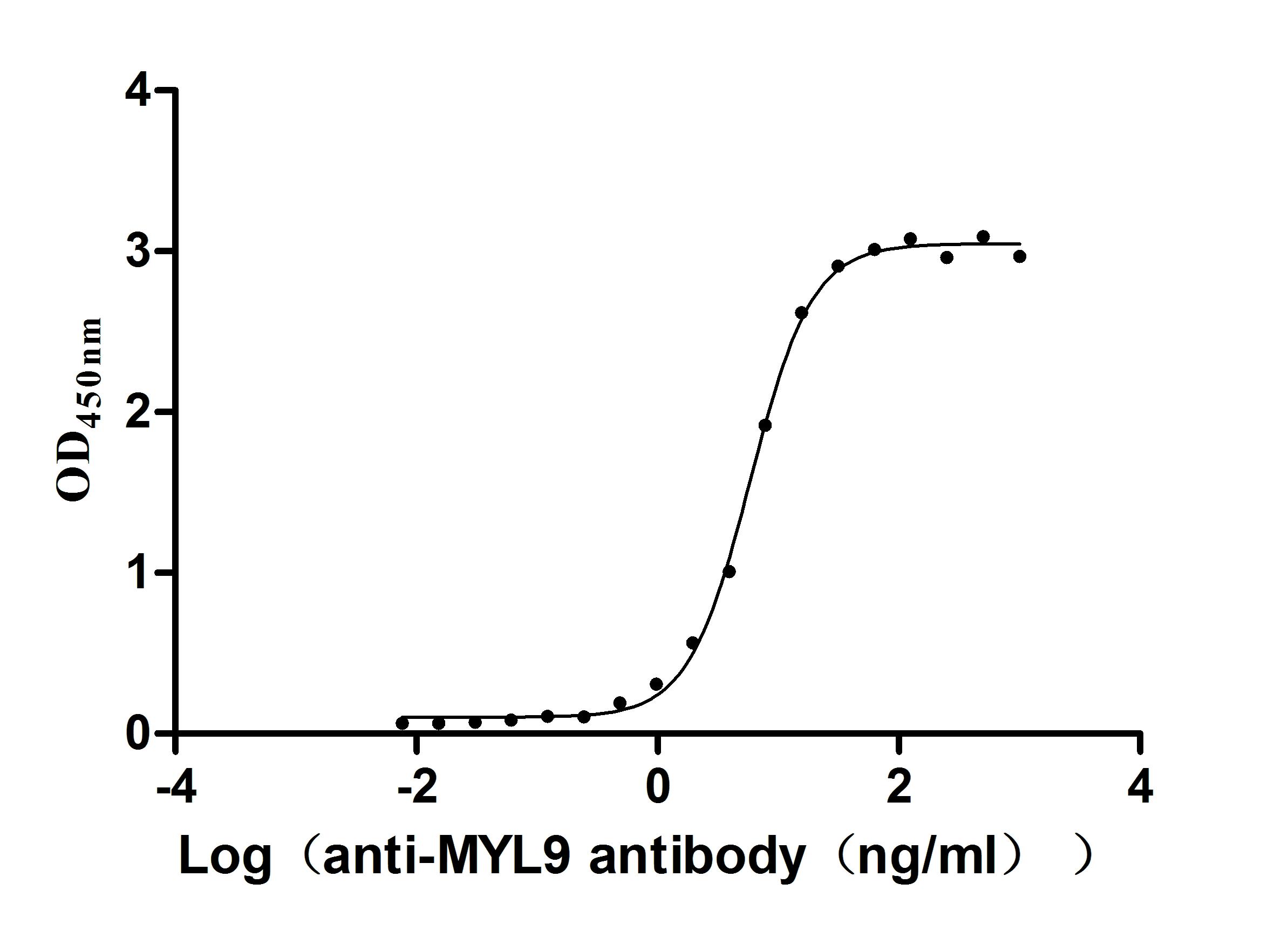
Recombinant Human Myosin regulatory light chain 12A (MYL12A) (Active)
Express system: E.coli
Species: Homo sapiens (Human)
-
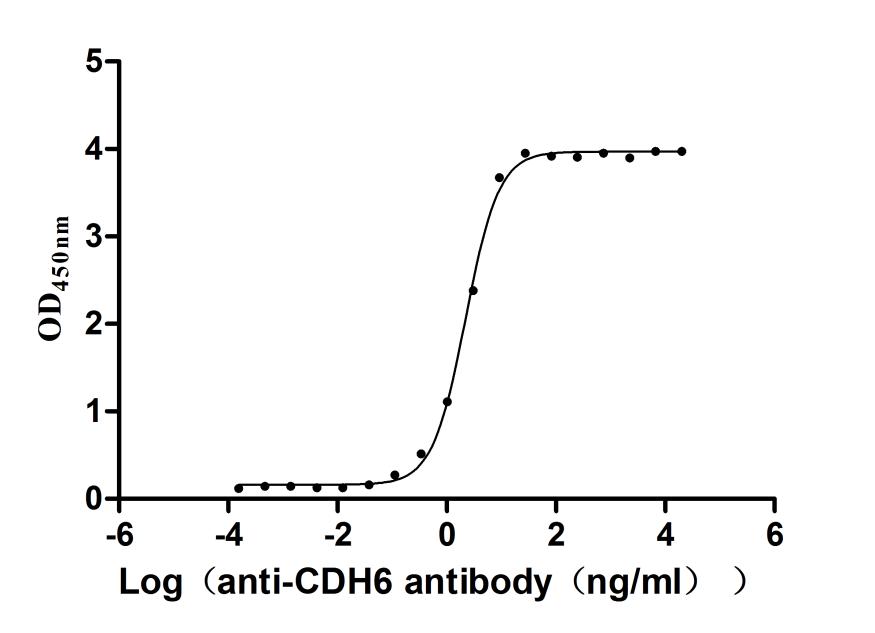
Recombinant Macaca fascicularis Cadherin 6(CDH6),partial (Active)
Express system: Mammalian cell
Species: Macaca fascicularis (Crab-eating macaque) (Cynomolgus monkey)
-
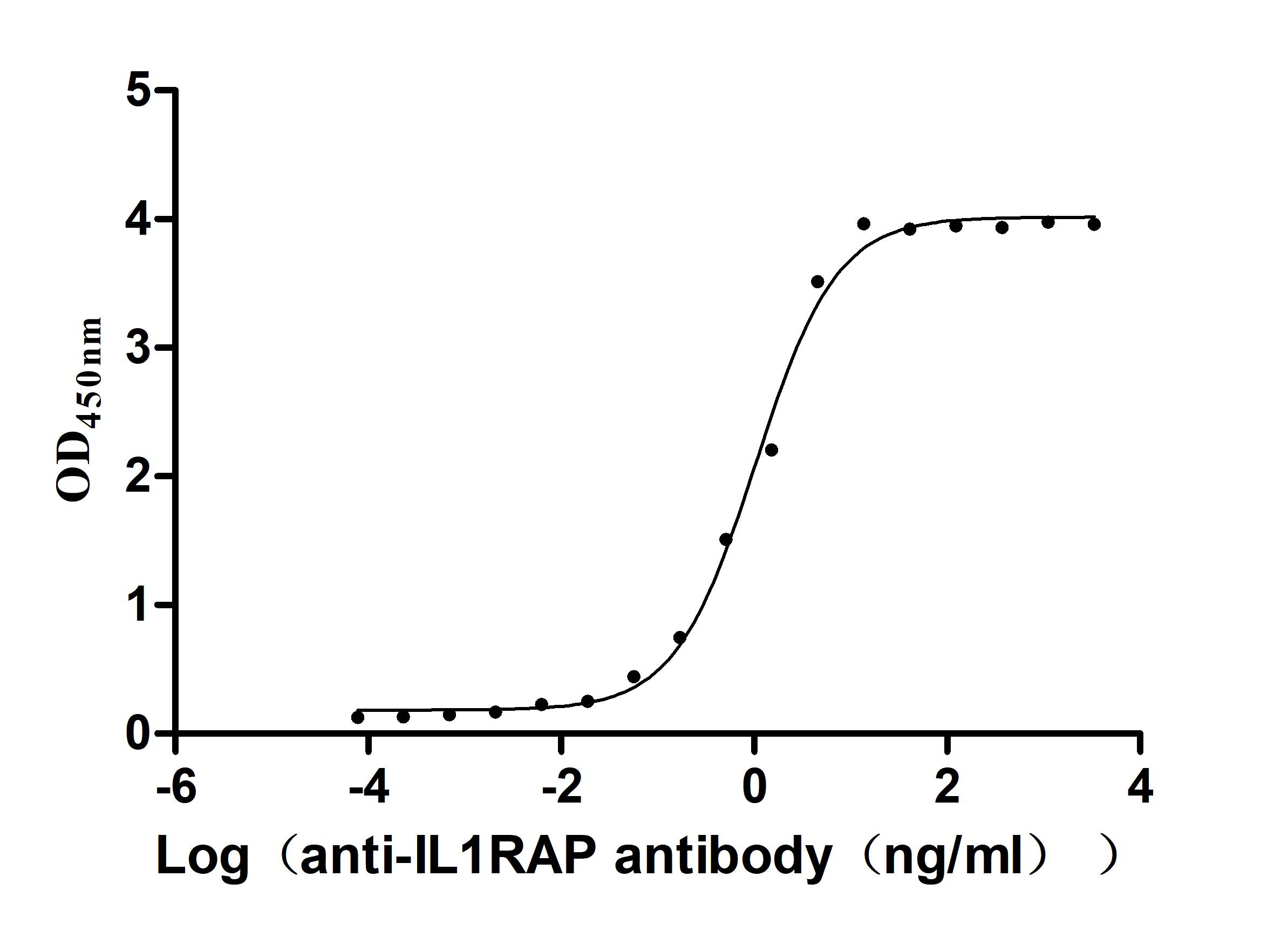
Recombinant Macaca fascicularis Interleukin 1 receptor accessory protein(IL1RAP), partial (Active)
Express system: Mammalian cell
Species: Macaca fascicularis (Crab-eating macaque) (Cynomolgus monkey)