Recombinant Mouse Solute carrier family 12 member 1 (Slc12a1), partial
-
中文名稱:小鼠Slc12a1重組蛋白
-
貨號:CSB-YP021382MO
-
規(guī)格:
-
來源:Yeast
-
其他:
-
中文名稱:小鼠Slc12a1重組蛋白
-
貨號:CSB-EP021382MO
-
規(guī)格:
-
來源:E.coli
-
其他:
-
中文名稱:小鼠Slc12a1重組蛋白
-
貨號:CSB-EP021382MO-B
-
規(guī)格:
-
來源:E.coli
-
共軛:Avi-tag Biotinylated
E. coli biotin ligase (BirA) is highly specific in covalently attaching biotin to the 15 amino acid AviTag peptide. This recombinant protein was biotinylated in vivo by AviTag-BirA technology, which method is BriA catalyzes amide linkage between the biotin and the specific lysine of the AviTag.
-
其他:
-
中文名稱:小鼠Slc12a1重組蛋白
-
貨號:CSB-BP021382MO
-
規(guī)格:
-
來源:Baculovirus
-
其他:
-
中文名稱:小鼠Slc12a1重組蛋白
-
貨號:CSB-MP021382MO
-
規(guī)格:
-
來源:Mammalian cell
-
其他:
產(chǎn)品詳情
-
純度:>85% (SDS-PAGE)
-
基因名:Slc12a1
-
Uniprot No.:
-
別名:Slc12a1; Nkcc2; Solute carrier family 12 member 1; BSC1; Bumetanide-sensitive sodium-(potassium)-chloride cotransporter 2; Kidney-specific Na-K-Cl symporter
-
種屬:Mus musculus (Mouse)
-
蛋白長度:Partial
-
蛋白標(biāo)簽:Tag?type?will?be?determined?during?the?manufacturing?process.
The tag type will be determined during production process. If you have specified tag type, please tell us and we will develop the specified tag preferentially. -
產(chǎn)品提供形式:Lyophilized powder
Note: We will preferentially ship the format that we have in stock, however, if you have any special requirement for the format, please remark your requirement when placing the order, we will prepare according to your demand. -
復(fù)溶:We recommend that this vial be briefly centrifuged prior to opening to bring the contents to the bottom. Please reconstitute protein in deionized sterile water to a concentration of 0.1-1.0 mg/mL.We recommend to add 5-50% of glycerol (final concentration) and aliquot for long-term storage at -20℃/-80℃. Our default final concentration of glycerol is 50%. Customers could use it as reference.
-
儲存條件:Store at -20°C/-80°C upon receipt, aliquoting is necessary for mutiple use. Avoid repeated freeze-thaw cycles.
-
保質(zhì)期:The shelf life is related to many factors, storage state, buffer ingredients, storage temperature and the stability of the protein itself.
Generally, the shelf life of liquid form is 6 months at -20°C/-80°C. The shelf life of lyophilized form is 12 months at -20°C/-80°C. -
貨期:Delivery time may differ from different purchasing way or location, please kindly consult your local distributors for specific delivery time.Note: All of our proteins are default shipped with normal blue ice packs, if you request to ship with dry ice, please communicate with us in advance and extra fees will be charged.
-
注意事項:Repeated freezing and thawing is not recommended. Store working aliquots at 4°C for up to one week.
-
Datasheet :Please contact us to get it.
產(chǎn)品評價

靶點(diǎn)詳情
-
功能:Renal sodium, potassium and chloride ion cotransporter that mediates the transepithelial NaCl reabsorption in the thick ascending limb and plays an essential role in the urinary concentration and volume regulation. Electrically silent transporter system.
-
基因功能參考文獻(xiàn):
- The differential regulation of ROMK, large-conductance Ca(2+)-activated K(+) (BK) channel, BK-alpha and NKCC2 between female and male mice, at least, were partly mediated via WNK1 pathway, which may contribute to the sexual dimorphism of plasma K(+) and blood pressure control. PMID: 28237360
- VAMP3 is required for normal NKCC2 expression, renal function, and blood pressure. PMID: 27551042
- IL-1 receptor (IL-1R1) deficiency or blockade limits blood pressure elevation in this model by mitigating sodium reabsorption via the NKCC2 co-transporter in the nephron. PMID: 26712462
- Data suggest renal cell lines exhibit an OS9- (osteosarcoma amplified 9 protein-)mediated ERAD (endoplasmic reticulum-associated degradation) pathway that degrades Nkcc2/Slc12a1 prior to glycosylation/processing. PMID: 26721884
- The findings demonstrated a substantial role of mitochondrial dysfunction in mediating the downregulation of NKCC2 and ENaCalpha in obstructive kidney disease, possibly via iNOS-derived nitric oxide and BNP. PMID: 26207612
- our results suggest that NKCCs are involved in insulin secretion and that a single Slc12a2 allele may protect beta-cells from failure due to increased homeostatic expression of Slc12a1. PMID: 26400961
- Vasopressin plays an important role in the colonic epithelia by stimulating NKCC2 trafficking to the apical membrane and inducing NKCC2-mediated ion transport. PMID: 24782621
- In this systemic analysis no clear primary effects of the Slc12a1I299F mutation appeared for the organs other than the kidneys where Slc12a1 expression has been described. PMID: 25084970
- increased phosphorylation of Na(+)-K(+)-2Cl(-) cotransporter in obesity and identifies a new role for AMP-activated protein kinase in regulating the activity of oxidative stress responsive 1 kinase-related proline-alanine-rich protein kinase PMID: 24808538
- Differential splicing of NKCC2 contributes to the adaptive capacity of the kidney to cope with changes in reabsorptive needs. PMID: 23946287
- NKCC2A-dependent activation of NFAT5 is part of a pathway by which the medullary thick ascending limb produces TNF in response to hypertonic NaCl intake. PMID: 23269645
- Abnormal anterograde trafficking as a common mechanism associated with mutations depriving NKCC2. PMID: 23105100
- NKCC1 and NKCC2 were expressed in the gastric mucosa of rat, mouse and human. PMID: 22388656
- In the kidneys, NKCC2 but not NCC is the main target of OSR1 and the reduced p-NKCC2 in KSP-OSR1(-/-) mice may lead to a Bartter-like syndrome. PMID: 21972418
- a permissive role for THP in the modulation of NKCC2-dependent TAL salt reabsorptive function. PMID: 21737451
- these findings suggest that TNF plays a role as an endogenous inhibitor of NKCC2 expression and function PMID: 21511694
- These findings suggest that NKCC2A and NKCC2F exhibit differential effects on NFAT5 expression and transcriptional activity in response to hypertonicity produced by high NaCl concentration. PMID: 21228109
- WNK1 is a negative regulator of NCC and NKCC2 in vivo and plays an important role in the control of Na(+) homeostasis and blood pressure. PMID: 21131289
- SCAMP2 regulates NKCC2 transit through recycling endosomes and limits the cell surface targeting of the co-transporter by interfering with its exocytotic trafficking. PMID: 21205824
- These data suggest a novel regulatory pathway whereby intracellular trafficking of SPAK by the sorting receptor SORLA is crucial for proper NKCC2 activation and for maintenance of renal ion balance. PMID: 20385770
- A novel viable mouse line with a missense Slc12a1 mutation exhibits most of the features of type I Bartter syndrome and may represent a new model for the study of this human disease. PMID: 20219826
- Ste20-related proline-alanine-rich kinase (SPAK) and oxidative stress response 1 (OSR1) with the cotransporters KCC3, NKCC1, and NKCC2 but not KCC1 and KCC4 PMID: 12386165
- examination of activation of NKCC2-mediated transport by WNK3 PMID: 16275913
- Macula densa control of renin secretion and preglomerular resistance was studied with selective deletion of the B isoform of Nkcc2. PMID: 16807402
- NKCC2 activates the tonicity-responsive enhancer binding protein (TonEBP) transcription factor by creating medullary hypertonicity PMID: 16926446
- results identify the combination of amino acid variations responsible for differences among the three splice variants of NKCC2, and they support a model in which a reentrant loop following TM2 contributes to the chloride binding and translocation domains PMID: 17186942
- Expression of both high- and low-affinity isoforms of NKCC2 permit transport and Cl-dependent tubuloglomerular feedback regulation to occur over a wider Chloride concentration range. PMID: 17215439
- Results identify a novel phosphorylation site that maintains NKCC2-mediated transport under isotonic or basal conditions. PMID: 17341212
- regulation of bumetanide-sensitive cotransporter type 1 by norepinephrine proceeds via the beta-adrenoceptor receptor-cAMP-protein kinase A pathway that involves in part mitogen-activated protein kinases. PMID: 17438304
- NKCC2 surface expression in mammalian cells is shown to be downregulated by a novel interaction with aldolase B PMID: 17848580
- a highly conserved motif at the COOH terminus dictates endoplasmic reticulum exit and cell surface expression of NKCC2 PMID: 19535327
顯示更多
收起更多
-
亞細(xì)胞定位:Apical cell membrane; Multi-pass membrane protein.
-
蛋白家族:SLC12A transporter family
-
組織特異性:Predominantly expressed in kidney (at protein level).; [Isoform F]: Kidney-specific; most highly expressed in the inner stripe of outer medulla (at protein level).; [Isoform A]: Kidney-specific; most highly expressed in the outer stripe of outer medulla (
-
數(shù)據(jù)庫鏈接:
Most popular with customers
-
Recombinant Human T-cell antigen CD7 (CD7), partial (Active)
Express system: Mammalian cell
Species: Homo sapiens (Human)
-
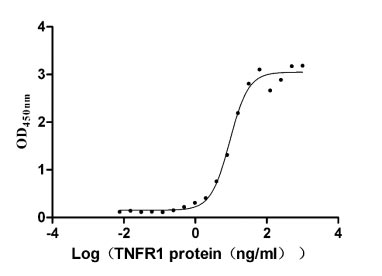
Recombinant Human Tumor necrosis factor receptor superfamily member 1A (TNFRSF1A), partial (Active)
Express system: Mammalian cell
Species: Homo sapiens (Human)
-
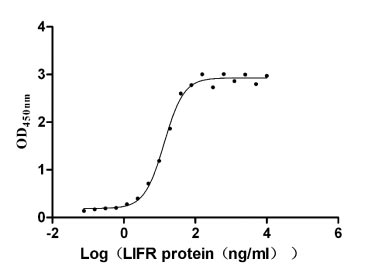
Recombinant Human Leukemia inhibitory factor receptor (LIFR), partial (Active)
Express system: Mammalian cell
Species: Homo sapiens (Human)
-
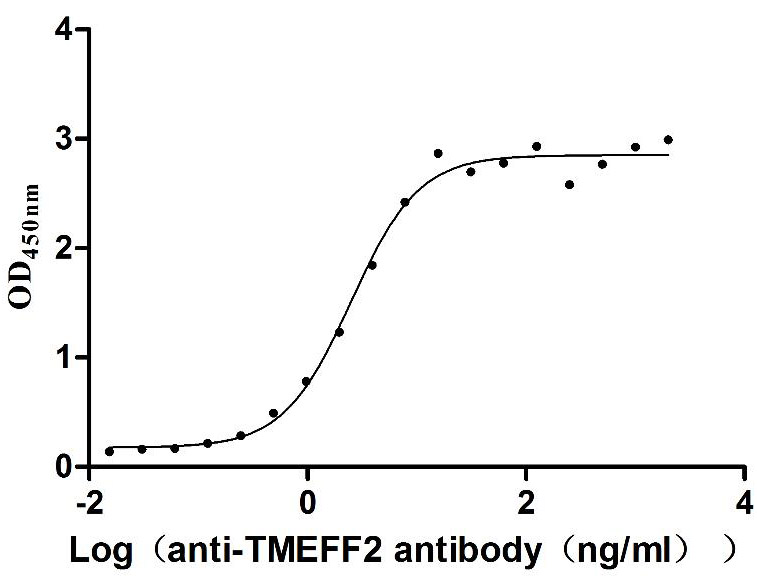
Recombinant Human Tomoregulin-2 (TMEFF2), partial (Active)
Express system: Mammalian cell
Species: Homo sapiens (Human)
-
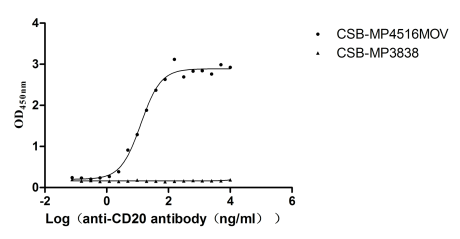
Recombinant Macaca fascicularis Membrane spanning 4-domains A1 (MS4A1)-VLPs (Active)
Express system: Mammalian cell
Species: Macaca fascicularis (Crab-eating macaque) (Cynomolgus monkey)
-
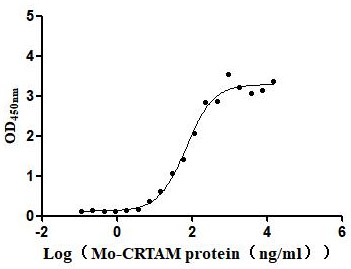
Recombinant Mouse Cell adhesion molecule 1 (Cadm1), partial (Active)
Express system: Mammalian cell
Species: Mus musculus (Mouse)
-
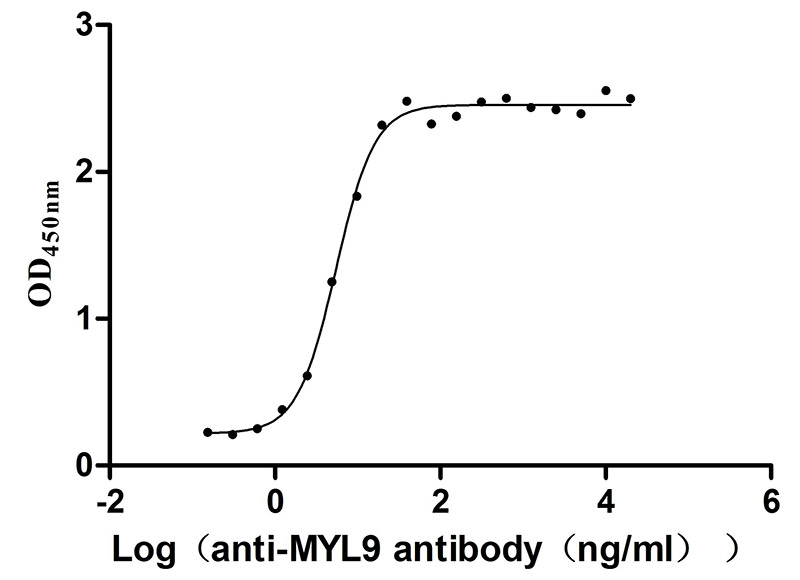
Recombinant Human Myosin regulatory light polypeptide 9 (MYL9) (Active)
Express system: Yeast
Species: Homo sapiens (Human)
-
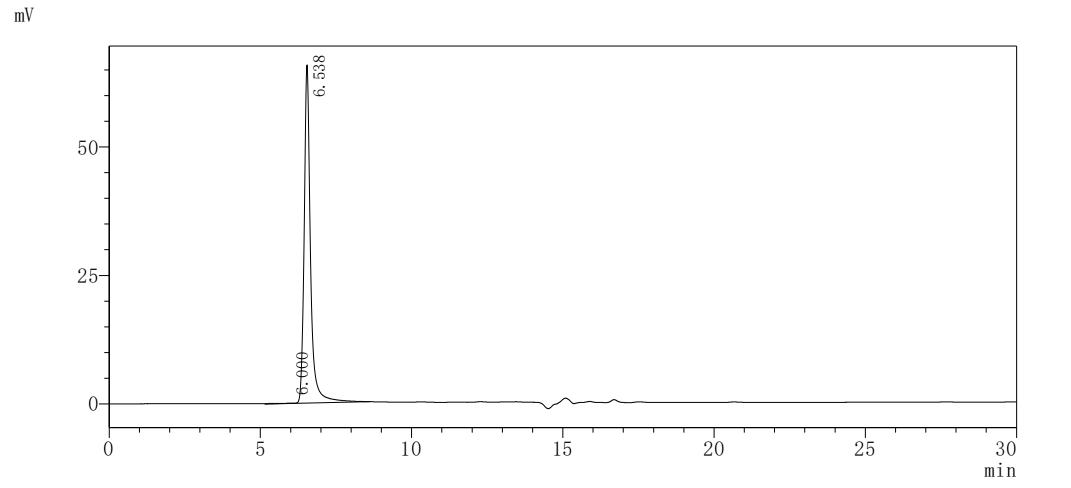
Recombinant Human C-C chemokine receptor type 9 (CCR9)-VLPs (Active)
Express system: Mammalian cell
Species: Homo sapiens (Human)