
Recombinant Mouse Sialidase-4 (Neu4)
-
中文名稱:小鼠Neu4重組蛋白
-
貨號(hào):CSB-YP803970MO
-
規(guī)格:
-
來(lái)源:Yeast
-
其他:
-
中文名稱:小鼠Neu4重組蛋白
-
貨號(hào):CSB-EP803970MO-B
-
規(guī)格:
-
來(lái)源:E.coli
-
共軛:Avi-tag Biotinylated
E. coli biotin ligase (BirA) is highly specific in covalently attaching biotin to the 15 amino acid AviTag peptide. This recombinant protein was biotinylated in vivo by AviTag-BirA technology, which method is BriA catalyzes amide linkage between the biotin and the specific lysine of the AviTag.
-
其他:
-
中文名稱:小鼠Neu4重組蛋白
-
貨號(hào):CSB-BP803970MO
-
規(guī)格:
-
來(lái)源:Baculovirus
-
其他:
產(chǎn)品詳情
-
純度:>85% (SDS-PAGE)
-
基因名:
-
Uniprot No.:
-
別名:Neu4; Sialidase-4; N-acetyl-alpha-neuraminidase 4; Neuraminidase 4
-
種屬:Mus musculus (Mouse)
-
蛋白長(zhǎng)度:full length protein
-
表達(dá)區(qū)域:1-478
-
氨基酸序列MGPTRVPRRT VLFQRERTGL TYRVPALLCV PPRPTLLAFA EQRLSPDDSH AHRLVLRRGT LTRGSVRWGT LSVLETAVLE EHRSMNPCPV LDEHSGTIFL FFIAVLGHTP EAVQIATGKN AARLCCVTSC DAGLTWGSVR DLTEEAIGAA LQDWATFAVG PGHGVQLRSG RLLVPAYTYH VDRRECFGKI CWTSPHSLAF YSDDHGISWH CGGLVPNLRS GECQLAAVDG DFLYCNARSP LGNRVQALSA DEGTSFLPGE LVPTLAETAR GCQGSIVGFL APPSIEPQDD RWTGSPRNTP HSPCFNLRVQ ESSGEGARGL LERWMPRLPL CYPQSRSPEN HGLEPGSDGD KTSWTPECPM SSDSMLQSPT WLLYSHPAGR RARLHMGIYL SRSPLDPHSW TEPWVIYEGP SGYSDLAFLG PMPGASLVFA CLFESGTRTS YEDISFCLFS LADVLENVPT GLEMLSLRDK AQGHCWPS
-
蛋白標(biāo)簽:Tag?type?will?be?determined?during?the?manufacturing?process.
The tag type will be determined during production process. If you have specified tag type, please tell us and we will develop the specified tag preferentially. -
產(chǎn)品提供形式:Lyophilized powder
Note: We will preferentially ship the format that we have in stock, however, if you have any special requirement for the format, please remark your requirement when placing the order, we will prepare according to your demand. -
復(fù)溶:We recommend that this vial be briefly centrifuged prior to opening to bring the contents to the bottom. Please reconstitute protein in deionized sterile water to a concentration of 0.1-1.0 mg/mL.We recommend to add 5-50% of glycerol (final concentration) and aliquot for long-term storage at -20℃/-80℃. Our default final concentration of glycerol is 50%. Customers could use it as reference.
-
儲(chǔ)存條件:Store at -20°C/-80°C upon receipt, aliquoting is necessary for mutiple use. Avoid repeated freeze-thaw cycles.
-
保質(zhì)期:The shelf life is related to many factors, storage state, buffer ingredients, storage temperature and the stability of the protein itself.
Generally, the shelf life of liquid form is 6 months at -20°C/-80°C. The shelf life of lyophilized form is 12 months at -20°C/-80°C. -
貨期:Delivery time may differ from different purchasing way or location, please kindly consult your local distributors for specific delivery time.Note: All of our proteins are default shipped with normal blue ice packs, if you request to ship with dry ice, please communicate with us in advance and extra fees will be charged.
-
注意事項(xiàng):Repeated freezing and thawing is not recommended. Store working aliquots at 4°C for up to one week.
-
Datasheet :Please contact us to get it.
產(chǎn)品評(píng)價(jià)

相關(guān)產(chǎn)品
靶點(diǎn)詳情
-
功能:Exo-alpha-sialidase that catalyzes the hydrolytic cleavage of the terminal sialic acid (N-acetylneuraminic acid, Neu5Ac) of a glycan moiety in the catabolism of glycolipids, glycoproteins and oligosacharides. Efficiently hydrolyzes gangliosides including alpha-(2->3)-sialylated GD1a and GM3 and alpha-(2->8)-sialylated GD3. Hydrolyzes poly-alpha-(2->8)-sialylated neural cell adhesion molecule NCAM1 likely at growth cones, suppressing neurite outgrowth in hippocampal neurons. May desialylate sialyl Lewis A and X antigens at the cell surface, down-regulating these glycan epitopes recognized by SELE/E selectin in the initiation of cell adhesion and extravasation. Has sialidase activity toward mucin, fetuin and sialyllactose.
-
基因功能參考文獻(xiàn):
- These results provide the first in vivo evidence that neuraminidases 3 and 4 have important roles in CNS function by catabolizing gangliosides and preventing their storage in lipofuscin bodies. PMID: 28442549
- NEU4 is involved in regulation of neuronal function by polySia degradation in mammals. PMID: 22393058
- Neu4 is not the only sialidase contributing to the metabolic bypass in Hexa(-/-) mice. PMID: 20862357
- Neu4 is a functional component of the ganglioside-metabolizing system, contributing to the postnatal development of the brain and other vital organs. PMID: 18270209
- mouse Neu4 plays an important regulatory role in neurite formation, possibly through desialylation of glycoproteins PMID: 19506080
顯示更多
收起更多
-
亞細(xì)胞定位:Cell membrane; Peripheral membrane protein. Endoplasmic reticulum membrane; Peripheral membrane protein. Microsome membrane; Peripheral membrane protein. Mitochondrion inner membrane; Peripheral membrane protein. Mitochondrion outer membrane; Peripheral membrane protein. Cell projection, neuron projection. Lysosome lumen.
-
蛋白家族:Glycosyl hydrolase 33 family
-
組織特異性:Highly expressed in brain, particularly in hippocampus, and at lower levels in liver and spleen. Expressed in hippocampal neurons (at protein level).
-
數(shù)據(jù)庫(kù)鏈接:
Most popular with customers
-
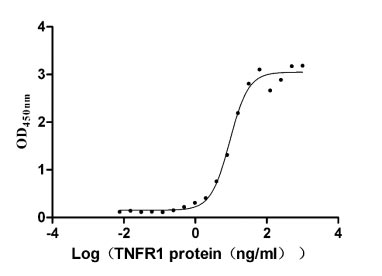
Recombinant Human Tumor necrosis factor receptor superfamily member 1A (TNFRSF1A), partial (Active)
Express system: Mammalian cell
Species: Homo sapiens (Human)
-
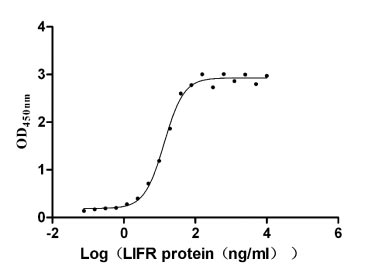
Recombinant Human Leukemia inhibitory factor receptor (LIFR), partial (Active)
Express system: Mammalian cell
Species: Homo sapiens (Human)
-
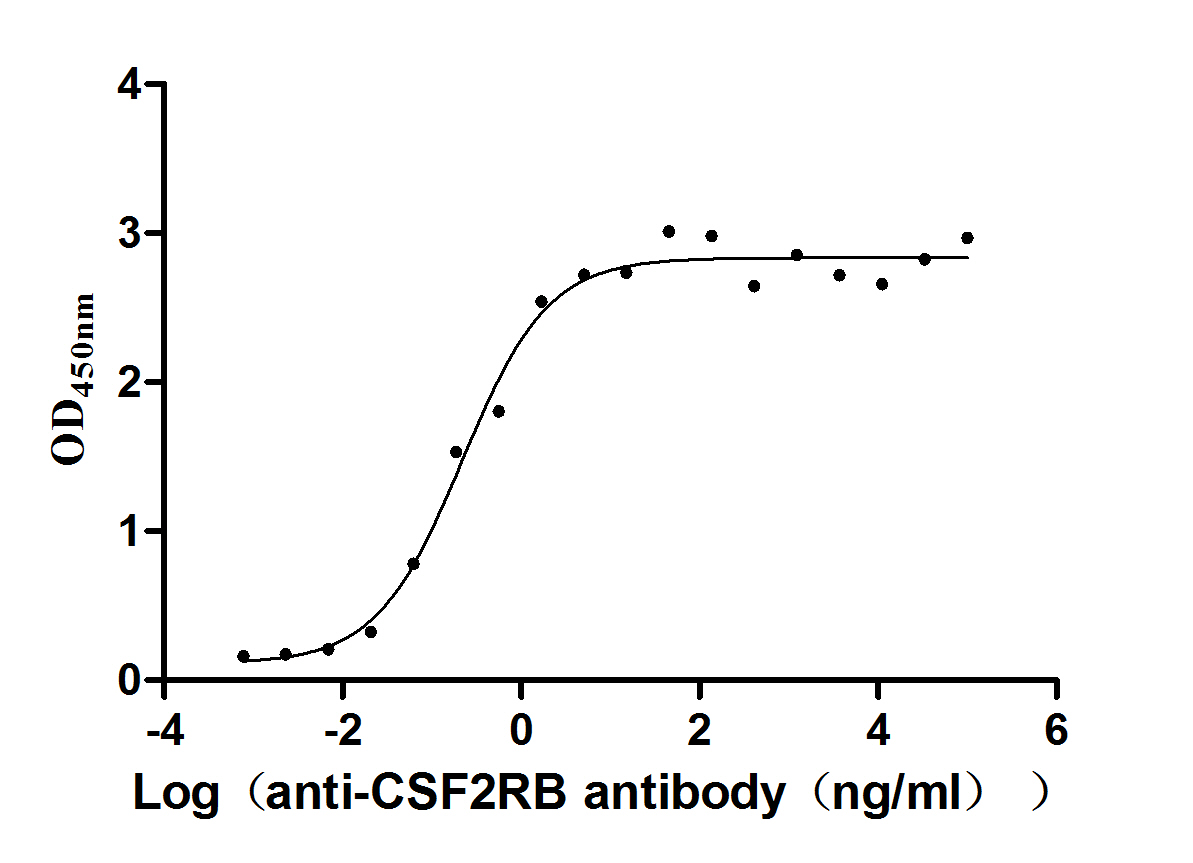
Recombinant Human Cytokine receptor common subunit beta (CSF2RB), partial (Active)
Express system: Mammalian cell
Species: Homo sapiens (Human)
-
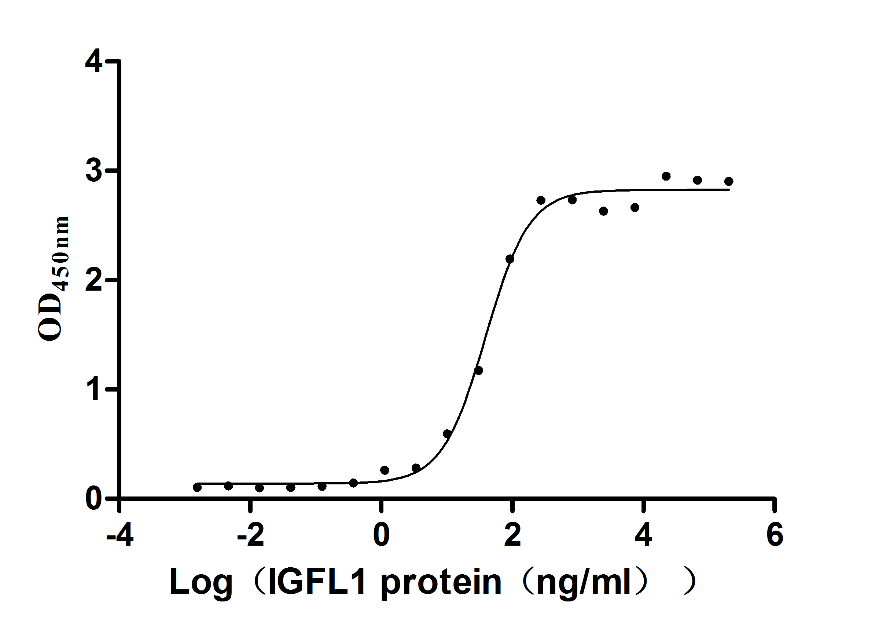
Recombinant Human IGF-like family receptor 1 (IGFLR1), partial (Active)
Express system: Mammalian cell
Species: Homo sapiens (Human)
-
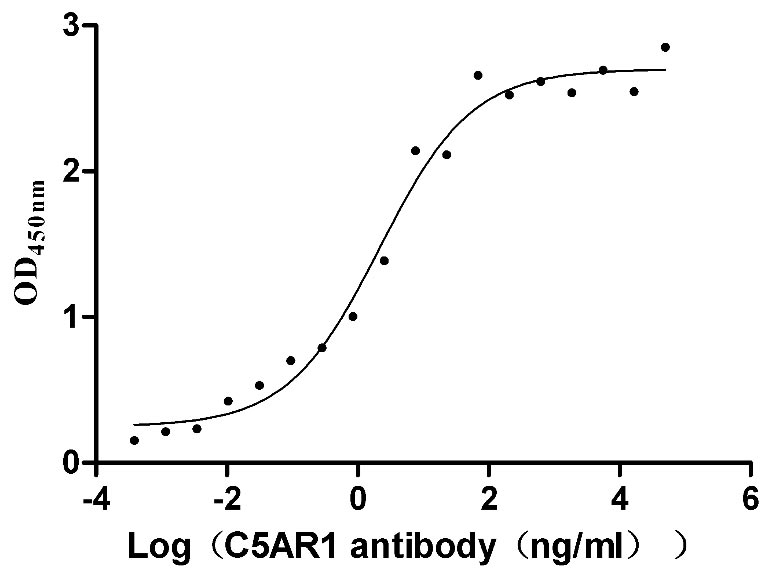
Recombinant Human C5a anaphylatoxin chemotactic receptor 1 (C5AR1)-VLPs (Active)
Express system: Mammalian cell
Species: Homo sapiens (Human)
-
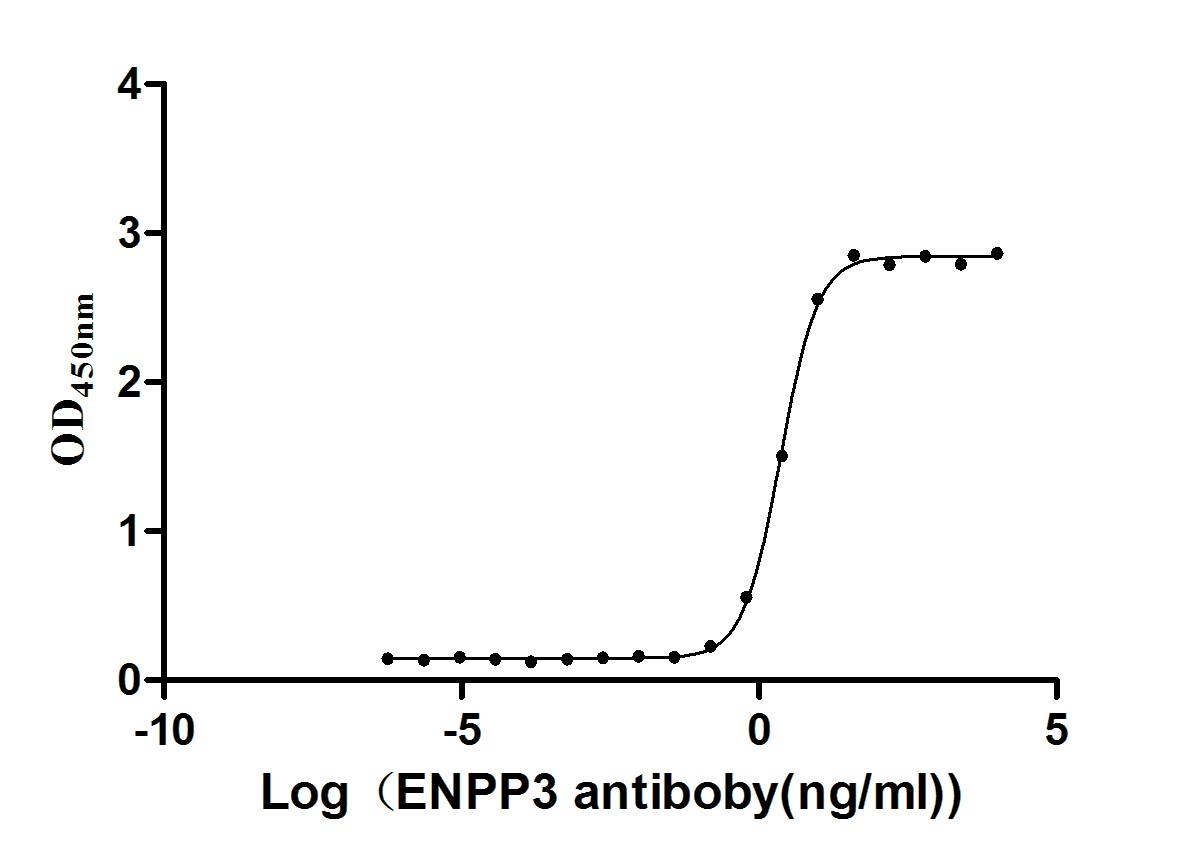
Express system: Mammalian cell
Species: Homo sapiens (Human)
-
Recombinant Macaca fascicularis CD93 molecule (CD93), partial (Active)
Express system: Mammalian cell
Species: Macaca fascicularis (Crab-eating macaque) (Cynomolgus monkey)
-
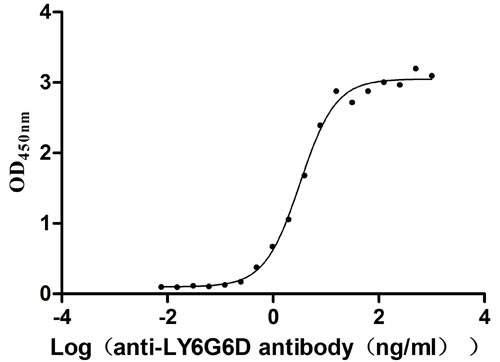
Recombinant Human Lymphocyte antigen 6 complex locus protein G6d (LY6G6D) (Active)
Express system: Yeast
Species: Homo sapiens (Human)