
Recombinant Mouse Sestrin-2 (Sesn2)
-
中文名稱:小鼠Sesn2重組蛋白
-
貨號(hào):CSB-YP021096MO
-
規(guī)格:
-
來(lái)源:Yeast
-
其他:
-
中文名稱:小鼠Sesn2重組蛋白
-
貨號(hào):CSB-EP021096MO
-
規(guī)格:
-
來(lái)源:E.coli
-
其他:
-
中文名稱:小鼠Sesn2重組蛋白
-
貨號(hào):CSB-EP021096MO-B
-
規(guī)格:
-
來(lái)源:E.coli
-
共軛:Avi-tag Biotinylated
E. coli biotin ligase (BirA) is highly specific in covalently attaching biotin to the 15 amino acid AviTag peptide. This recombinant protein was biotinylated in vivo by AviTag-BirA technology, which method is BriA catalyzes amide linkage between the biotin and the specific lysine of the AviTag.
-
其他:
-
中文名稱:小鼠Sesn2重組蛋白
-
貨號(hào):CSB-BP021096MO
-
規(guī)格:
-
來(lái)源:Baculovirus
-
其他:
-
中文名稱:小鼠Sesn2重組蛋白
-
貨號(hào):CSB-MP021096MO
-
規(guī)格:
-
來(lái)源:Mammalian cell
-
其他:
產(chǎn)品詳情
-
純度:>85% (SDS-PAGE)
-
基因名:
-
Uniprot No.:
-
別名:Sesn2; Sestrin-2; EC 1.11.1.15
-
種屬:Mus musculus (Mouse)
-
蛋白長(zhǎng)度:Full length protein
-
表達(dá)區(qū)域:1-480
-
氨基酸序列MIVADSECHS EIKGYLPFTR GGVAGPETRE EHREGQARRG SRGPSAFIPV EEILREGAES LEQHLGLEAL MSSGRVDNLA VVMGLHPDYL SSFWRLHYLL LHTDGPLASS WRHYIAIMAA ARHQCSYLVG SHMTEFLQTG GDPEWLLGLH RAPEKLRKLS EVNKLLAHRP WLITKEHIQA LLKTGEHSWS LAELIQALVL LTHCHSLASF VFGCGILPEG DAEGSPASQA PSPPSEQGTP PSGDPLNNSG GFEAARDVEA LMERMRQLQE SLLRDEGASQ EEMENRFELE KSESLLVTPS ADILEPSPHP DILCFVEDPA FGYEDFTRRG TQAPPTFRAQ DYTWEDHGYS LIQRLYPEGG QLLDEKFQVA CSLTYNTIAM HSGVDTSMLR RAIWNYIHCV FGIRYDDYDY GEVNQLLERN LKIYIKTVAC YPEKTTRRMY NLFWRHFRHS EKVHVNLLLL EARMQAALLY ALRAITRYMT
-
蛋白標(biāo)簽:Tag?type?will?be?determined?during?the?manufacturing?process.
The tag type will be determined during production process. If you have specified tag type, please tell us and we will develop the specified tag preferentially. -
產(chǎn)品提供形式:Lyophilized powder
Note: We will preferentially ship the format that we have in stock, however, if you have any special requirement for the format, please remark your requirement when placing the order, we will prepare according to your demand. -
復(fù)溶:We recommend that this vial be briefly centrifuged prior to opening to bring the contents to the bottom. Please reconstitute protein in deionized sterile water to a concentration of 0.1-1.0 mg/mL.We recommend to add 5-50% of glycerol (final concentration) and aliquot for long-term storage at -20℃/-80℃. Our default final concentration of glycerol is 50%. Customers could use it as reference.
-
儲(chǔ)存條件:Store at -20°C/-80°C upon receipt, aliquoting is necessary for mutiple use. Avoid repeated freeze-thaw cycles.
-
保質(zhì)期:The shelf life is related to many factors, storage state, buffer ingredients, storage temperature and the stability of the protein itself.
Generally, the shelf life of liquid form is 6 months at -20°C/-80°C. The shelf life of lyophilized form is 12 months at -20°C/-80°C. -
貨期:Delivery time may differ from different purchasing way or location, please kindly consult your local distributors for specific delivery time.Note: All of our proteins are default shipped with normal blue ice packs, if you request to ship with dry ice, please communicate with us in advance and extra fees will be charged.
-
注意事項(xiàng):Repeated freezing and thawing is not recommended. Store working aliquots at 4°C for up to one week.
-
Datasheet :Please contact us to get it.
產(chǎn)品評(píng)價(jià)

靶點(diǎn)詳情
-
功能:Functions as an intracellular leucine sensor that negatively regulates the TORC1 signaling pathway through the GATOR complex. In absence of leucine, binds the GATOR subcomplex GATOR2 and prevents TORC1 signaling. Binding of leucine to SESN2 disrupts its interaction with GATOR2 thereby activating the TORC1 signaling pathway. This stress-inducible metabolic regulator also plays a role in protection against oxidative and genotoxic stresses. May negatively regulate protein translation in response to endoplasmic reticulum stress, via TORC1. May positively regulate the transcription by NFE2L2 of genes involved in the response to oxidative stress by facilitating the SQSTM1-mediated autophagic degradation of KEAP1. May also mediate TP53 inhibition of TORC1 signaling upon genotoxic stress. Moreover, may prevent the accumulation of reactive oxygen species (ROS) through the alkylhydroperoxide reductase activity born by the N-terminal domain of the protein. Was originally reported to contribute to oxidative stress resistance by reducing PRDX1. However, this could not be confirmed.
-
基因功能參考文獻(xiàn):
- sesn2 has a role in lipopolysaccharide-induced oxidative stress in mice and in H9c2 cells PMID: 30116150
- Knockdown of sesn2 aggravates atherosclerotic processes by increasing pro-inflammatory reactions and ER stress in the endothelium via an AMPK-dependent mechanism, suggesting that sesn2 might be a novel therapeutic target for atherosclerosis. PMID: 28215577
- Sesn2/AMPK/mTOR signaling mediates balance between survival and apoptosis in sensory hair cells under stress. PMID: 28981119
- Sesn2 KO mice displayed enhanced expression of proinflammatory genes and activation of basilar membrane macrophages, suggesting that loss of SESN2 function provokes the immune response PMID: 28818524
- Aerobic physical exercise recovers Sestrin 2 protein content and induces autophagy in the skeletal muscle of old mice. PMID: 28729213
- SESN2 suppressed ER stress-mediated apoptosis. SESN2 attenuated hepatic injury in mice. PMID: 28433684
- Decreased Sesn2 levels in aging lead to a blunted ischemic AMPK activation, alterations in substrate metabolism, and an increased sensitivity to ischemic insults. PMID: 28592638
- p53-dependent coordination with SESN2 regulates AMPK and mTORC1 signaling and controls parturition timing PMID: 27454290
- Oleanolic acid can attenuate hepatic ischemia reperfusion injury via HO-1/Sesn2 signaling pathway. PMID: 27733322
- propose that Sestrin2 protects cells from glucose starvation-induced cell death via regulation of mitochondrial homeostasis PMID: 26932729
- Sestrin2 involved in the regulation of cardiomyopathy (such as myocardial fibrosis) after irradiation PMID: 26980623
- Sestrin2 inhibits mTORC1 through modulation of GATOR complexes PMID: 25819761
- suggest that TLR-mediated Sesn2 induction is dependent on AP-1, Nrf2, and the inhibition of ubiquitin-mediated degradation of Sesn2 and might protect cells against endotoxin toxicity PMID: 25637945
- Sestrin2 has a hepatoprotective role against chronic ER stress PMID: 24947615
- an AMPK-independent mechanism of mTORC1 inhibition by Sestrins mediated by their interaction with GATOR2, is reported. PMID: 25457612
- Data indicate that sestrin2 expression is upregulated by dopamine D2 receptor. PMID: 25024286
- this study identifies ULK1 as a new p62 Ser403 kinase and establishes Sestrin2 as a promoter of ULK1-mediated p62 phosphorylation. PMID: 25040165
- Sesn2 controls reactive oxygen species-dependent neuropathic pain signaling after peripheral nerve injury. PMID: 23495831
- results imply that SESN2 could serve as both a biomarker and as a drug target in the clinical management of COPD PMID: 24046361
- Ablation of Sesn2 blocked Keap1 degradation and Nrf2 activation induced by refeeding and thereby increased the susceptibility of the liver to oxidative damage resulting from the acute stimulation of lipogenesis associated with refeeding. PMID: 23274085
- Sestrin2--encoded by the Sesn2 locus, whose expression is induced upon hypernutrition--maintains metabolic homeostasis in liver of obese mice. PMID: 22958918
- The mutational inactivation of the antioxidant protein sestrin 2 (sesn2) partially rescues the emphysema phenotype of Ltbp4S mice and is associated with activation of the TGF-beta and mammalian target of rapamycin (mTOR) signal transduction pathways. PMID: 20106877
- Synaptic activity upregulated the thioredoxin-peroxiredoxin reactivating gene sestrin 2. PMID: 18344994
- Sestrin2 plays a role in peroxide defense as a reductase for peroxiredoxins. PMID: 19822145
顯示更多
收起更多
-
亞細(xì)胞定位:Cytoplasm.
-
蛋白家族:Sestrin family
-
組織特異性:Detected in heart, liver and skeletal muscles (at protein level).
-
數(shù)據(jù)庫(kù)鏈接:
Most popular with customers
-
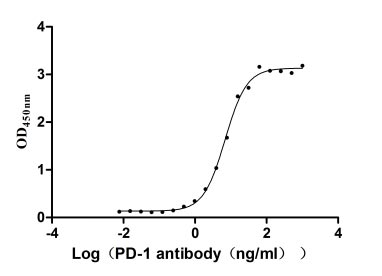
Recombinant Human Programmed cell death protein 1 (PDCD1), partial (Active)
Express system: Mammalian cell
Species: Homo sapiens (Human)
-
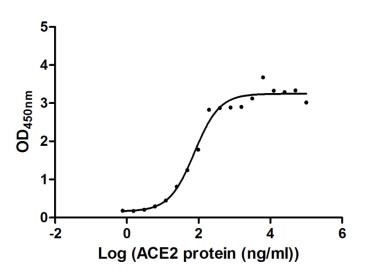
Recombinant Human Angiotensin-converting enzyme 2 (ACE2), partial (Active)
Express system: Mammalian cell
Species: Homo sapiens (Human)
-
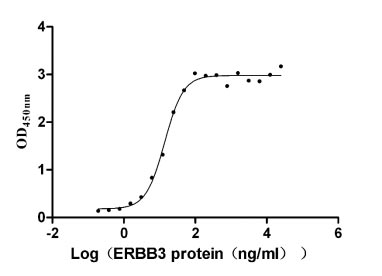
Recombinant Human Receptor tyrosine-protein kinase erbB-3 (ERBB3), partial (Active)
Express system: Mammalian cell
Species: Homo sapiens (Human)
-
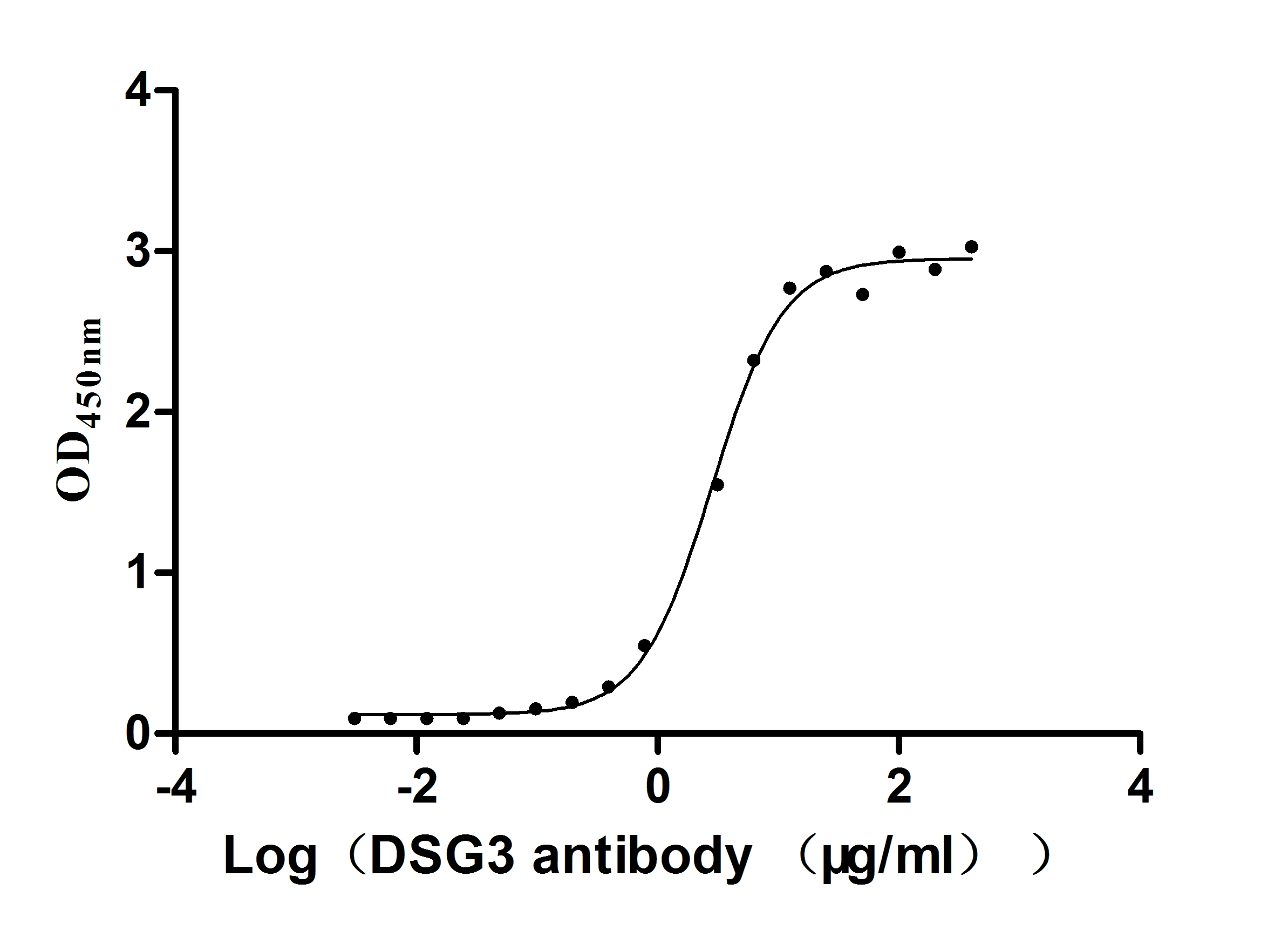
Recombinant Mouse Desmoglein-3 (Dsg3), partial (Active)
Express system: Mammalian cell
Species: Mus musculus (Mouse)
-
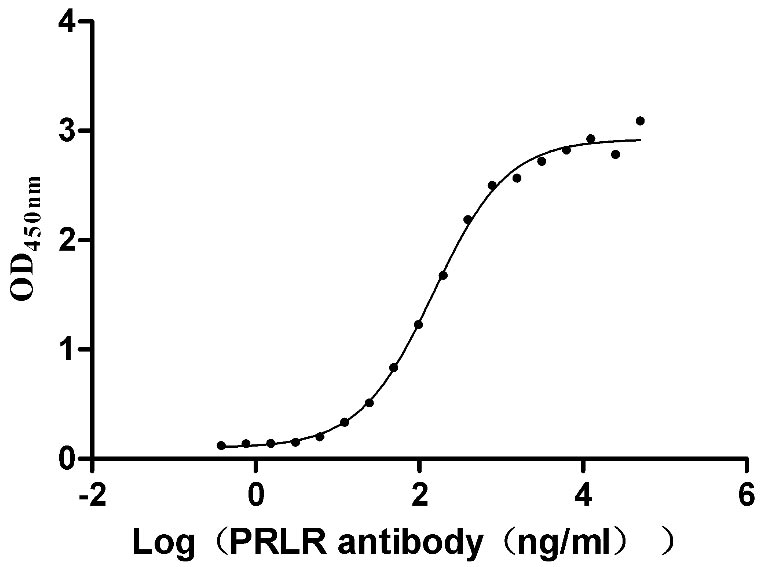
Recombinant Human Prolactin receptor (PRLR), partial (Active)
Express system: Mammalian cell
Species: Homo sapiens (Human)
-
-AC1.jpg)
Recombinant Human Claudin-18.2 (CLDN18.2)-VLPs (Active)
Express system: Mammalian cell
Species: Homo sapiens (Human)
-
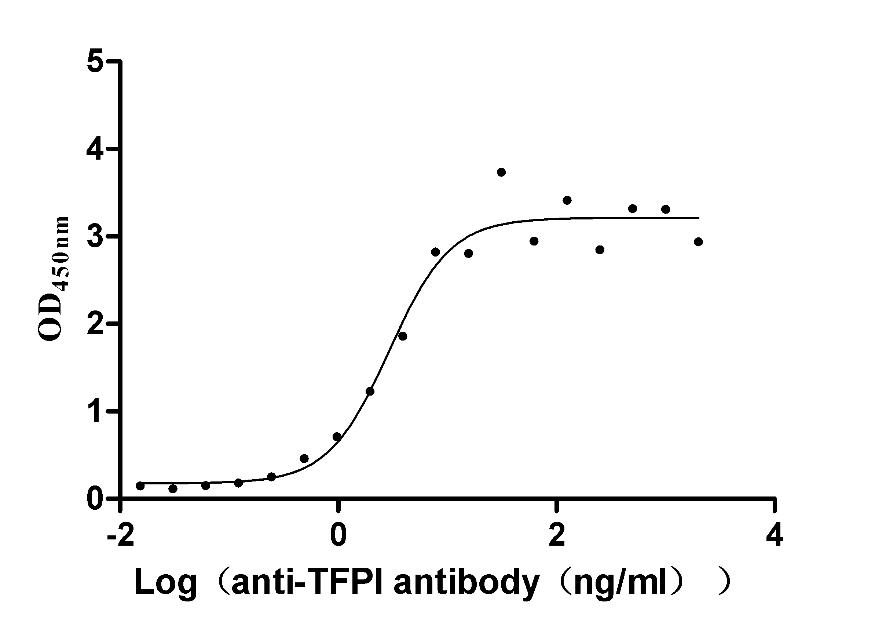
Recombinant Rabbit Tissue factor pathway inhibitor (TFPI) (Active)
Express system: Mammalian cell
Species: Oryctolagus cuniculus (Rabbit)
-
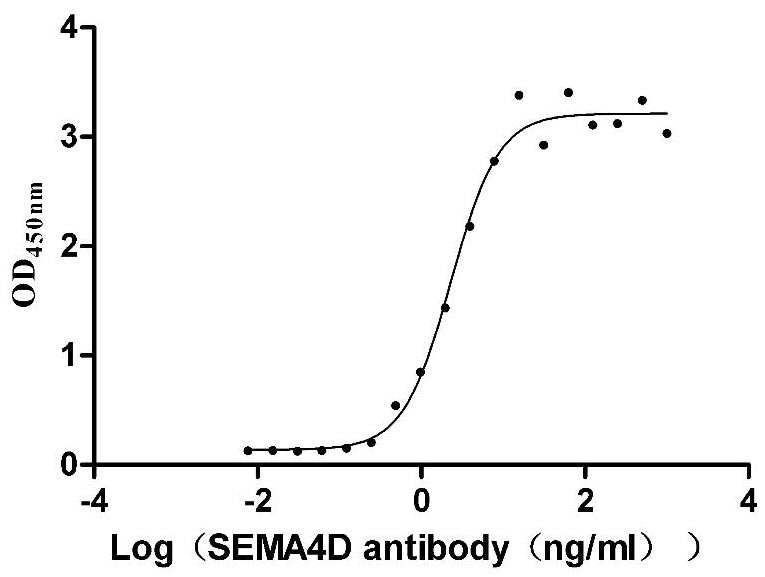
Recombinant Macaca mulatta Semaphorin-4D isoform 1 (SEMA4D), partial (Active)
Express system: Mammalian cell
Species: Macaca mulatta (Rhesus macaque)