Recombinant Mouse Serine/threonine-protein kinase PLK2 (Plk2)
-
中文名稱:小鼠Plk2重組蛋白
-
貨號(hào):CSB-YP018194MO
-
規(guī)格:
-
來源:Yeast
-
其他:
-
中文名稱:小鼠Plk2重組蛋白
-
貨號(hào):CSB-EP018194MO
-
規(guī)格:
-
來源:E.coli
-
其他:
-
中文名稱:小鼠Plk2重組蛋白
-
貨號(hào):CSB-EP018194MO-B
-
規(guī)格:
-
來源:E.coli
-
共軛:Avi-tag Biotinylated
E. coli biotin ligase (BirA) is highly specific in covalently attaching biotin to the 15 amino acid AviTag peptide. This recombinant protein was biotinylated in vivo by AviTag-BirA technology, which method is BriA catalyzes amide linkage between the biotin and the specific lysine of the AviTag.
-
其他:
-
中文名稱:小鼠Plk2重組蛋白
-
貨號(hào):CSB-BP018194MO
-
規(guī)格:
-
來源:Baculovirus
-
其他:
產(chǎn)品詳情
-
純度:>85% (SDS-PAGE)
-
基因名:
-
Uniprot No.:
-
別名:Plk2; Snk; Serine/threonine-protein kinase PLK2; Polo-like kinase 2; PLK-2; Serine/threonine-protein kinase SNK; Serum-inducible kinase
-
種屬:Mus musculus (Mouse)
-
蛋白長度:Full length protein
-
表達(dá)區(qū)域:1-682
-
氨基酸序列MELLRTITYQ PAAGTKMCEQ ALGKACGGDS KKKRPQQPSE DGQPQAQVTP AAPHHHHHHS HSGPEISRII VDPTTGKRYC RGKVLGKGGF AKCYEMTDLT NNKVYAAKII PHSRVAKPHQ REKIDKEIEL HRLLHHKHVV QFYHYFEDKE NIYILLEYCS RRSMAHILKA RKVLTEPEVR YYLRQIVSGL KYLHEQEILH RDLKLGNFFI NEAMELKVGD FGLAARLEPL EHRRRTICGT PNYLSPEVLN KQGHGCESDI WALGCVMYTM LLGRPPFETT NLKETYRCIR EARYTMPSSL LAPAKHLIAS MLSKNPEDRP SLDDIIRHDF FLQGFTPDRL SSSCCHTVPD FHLSSPAKNF FKKAAAALFG GKKDKARYND THNKVSKEDE DIYKLRHDLK KVSITQQPSK HRADEEPQPP PTTVARSGTS AVENKQQIGD AIRMIVRGTL GSCSSSSECL EDSTMGSVAD TVARVLRGCL ENMPEADCIP KEQLSTSFQW VTKWVDYSNK YGFGYQLSDH TVGVLFNNGA HMSLLPDKKT VHYYAELGQC SVFPATDAPE QFISQVTVLK YFSHYMEENL MDGGDLPSVT DIRRPRLYLL QWLKSDKALM MLFNDGTFQV NFYHDHTKII ICNQSEEYLL TYINEDRIST TFRLTTLLMS GCSLELKNRM EYALNMLLQR CN
-
蛋白標(biāo)簽:Tag?type?will?be?determined?during?the?manufacturing?process.
The tag type will be determined during production process. If you have specified tag type, please tell us and we will develop the specified tag preferentially. -
產(chǎn)品提供形式:Lyophilized powder
Note: We will preferentially ship the format that we have in stock, however, if you have any special requirement for the format, please remark your requirement when placing the order, we will prepare according to your demand. -
復(fù)溶:We recommend that this vial be briefly centrifuged prior to opening to bring the contents to the bottom. Please reconstitute protein in deionized sterile water to a concentration of 0.1-1.0 mg/mL.We recommend to add 5-50% of glycerol (final concentration) and aliquot for long-term storage at -20℃/-80℃. Our default final concentration of glycerol is 50%. Customers could use it as reference.
-
儲(chǔ)存條件:Store at -20°C/-80°C upon receipt, aliquoting is necessary for mutiple use. Avoid repeated freeze-thaw cycles.
-
保質(zhì)期:The shelf life is related to many factors, storage state, buffer ingredients, storage temperature and the stability of the protein itself.
Generally, the shelf life of liquid form is 6 months at -20°C/-80°C. The shelf life of lyophilized form is 12 months at -20°C/-80°C. -
貨期:Delivery time may differ from different purchasing way or location, please kindly consult your local distributors for specific delivery time.Note: All of our proteins are default shipped with normal blue ice packs, if you request to ship with dry ice, please communicate with us in advance and extra fees will be charged.
-
注意事項(xiàng):Repeated freezing and thawing is not recommended. Store working aliquots at 4°C for up to one week.
-
Datasheet :Please contact us to get it.
產(chǎn)品評(píng)價(jià)

相關(guān)產(chǎn)品
靶點(diǎn)詳情
-
功能:Tumor suppressor serine/threonine-protein kinase involved in synaptic plasticity, centriole duplication and G1/S phase transition. Polo-like kinases act by binding and phosphorylating proteins are that already phosphorylated on a specific motif recognized by the POLO box domains. Phosphorylates CENPJ, NPM1, RAPGEF2, RASGRF1, SNCA, SIPA1L1 and SYNGAP1. Plays a key role in synaptic plasticity and memory by regulating the Ras and Rap protein signaling: required for overactivity-dependent spine remodeling by phosphorylating the Ras activator RASGRF1 and the Rap inhibitor SIPA1L1 leading to their degradation by the proteasome. Conversely, phosphorylates the Rap activator RAPGEF2 and the Ras inhibitor SYNGAP1, promoting their activity. Also regulates synaptic plasticity independently of kinase activity, via its interaction with NSF that disrupts the interaction between NSF and the GRIA2 subunit of AMPARs, leading to a rapid rundown of AMPAR-mediated current that occludes long term depression. Required for procentriole formation and centriole duplication by phosphorylating CENPJ and NPM1, respectively. Its induction by p53/TP53 suggests that it may participate in the mitotic checkpoint following stress.
-
基因功能參考文獻(xiàn):
- Plk2 acts as coordinator of cell proliferation and early lineage commitment in cardiac progenitor cells downstream of Yes-associated protein 1. PMID: 29066438
- miR-146a regulates lineage negative bone marrow cell senescence and apoptosis by suppressing Plk2 expression that, in turn, activates p16Ink4a/p19Arf and p53 signaling. PMID: 27908889
- PLK2, functional kinase and polo-box domains were required for interaction with PFV Gag. Fluorescently-tagged PFV Gag, through its chromatin tethering function, selectively relocalized ectopically expressed eGFP-tagged PLK proteins to mitotic chromosomes i PMID: 27579920
- These results support a significant role for a PLK kinase in phosphorylating alpha-synuclein at Ser129 in the brain, and suggest that PLK2 is responsible for this activity under physiological conditions. PMID: 24128992
- In support of a tumor suppressor function for Plk2, loss of Plk2 increased the formation of lesions in multiparous glands. Collectively, these results demonstrate a novel role for Plk2 in regulating mammary gland development. PMID: 24598160
- PLK2 inhibition is a tractable CNS pharmacological target that does not cause genotoxicity at doses and exposures that engage the target in the sensory retina. PMID: 23466428
- perturbation of Plk2 disrupts Ras and Rap signaling, prevents homeostatic shrinkage and loss of dendritic spines, and impairs proper memory formation. PMID: 21382555
- CIB co-immunoprecipitated with Snk and inhibited the kinase activity of Snk, suggesting that CIB is a negative regulator for Snk kinase activity. PMID: 12651910
- there is a mitotic checkpoint wherein p53-dependent activation of Snk/Plk2 prevents mitotic catastrophe following spindle damage PMID: 12897130
- Embryos of Plk2(Snk)-deficient mice show retarded growth and skeletal development late in gestation. PMID: 12972611
- PLK2 directly phosphorylates alpha-synuclein at Ser-129 in an in vitro biochemical assay PMID: 19004816
顯示更多
收起更多
-
亞細(xì)胞定位:Cytoplasm, cytoskeleton, microtubule organizing center, centrosome, centriole. Cell projection, dendrite.
-
蛋白家族:Protein kinase superfamily, Ser/Thr protein kinase family, CDC5/Polo subfamily
-
組織特異性:Brain, lung and heart.
-
數(shù)據(jù)庫鏈接:
Most popular with customers
-
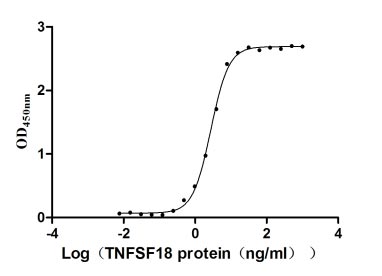
Recombinant Human Tumor necrosis factor ligand superfamily member 18 (TNFSF18), partial (Active)
Express system: Mammalian cell
Species: Homo sapiens (Human)
-
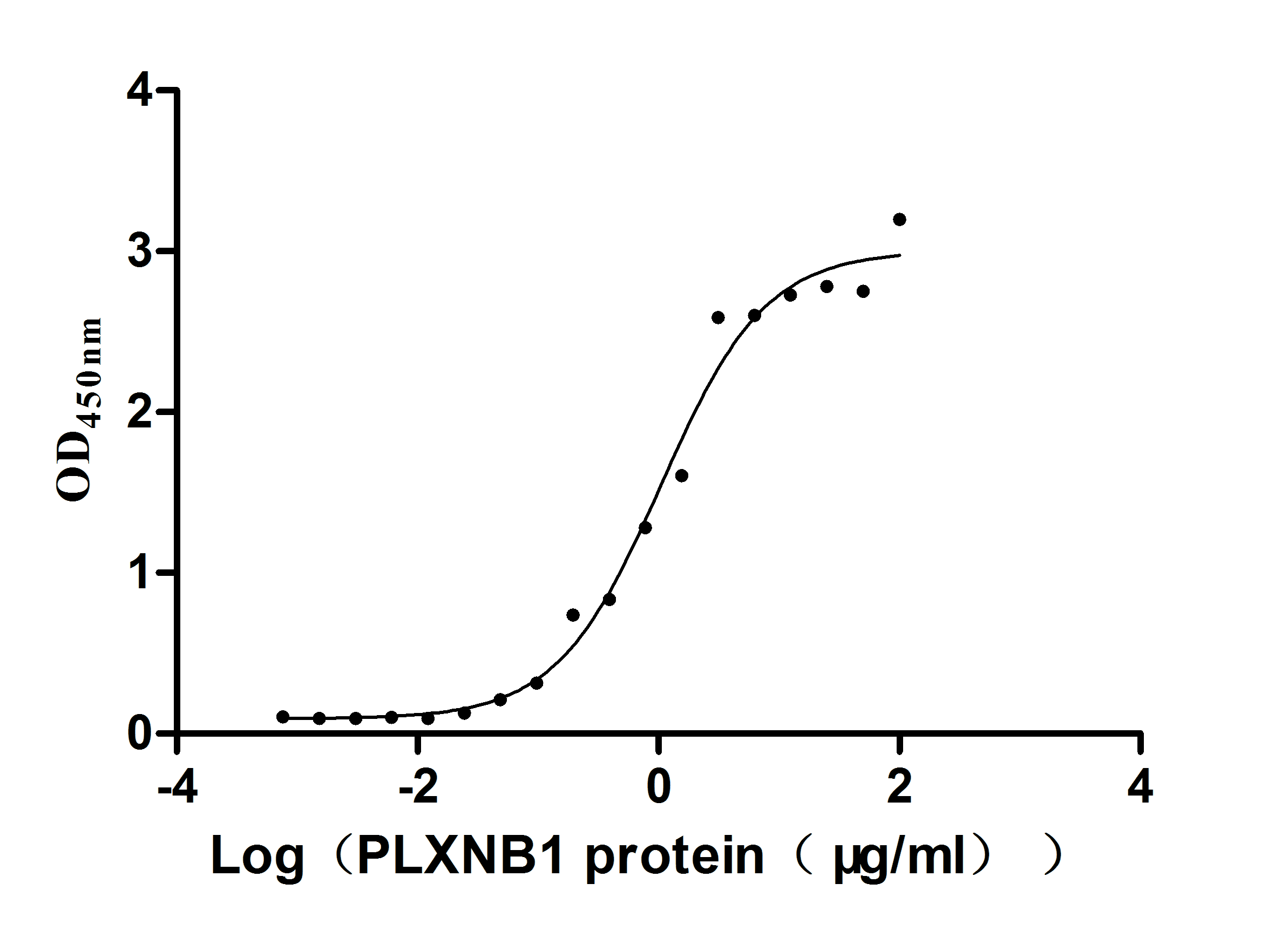
Recombinant Human Plexin-B1 (PLXNB1), partial (Active)
Express system: Mammalian cell
Species: Homo sapiens (Human)
-
-AC1.jpg)
Recombinant Mouse Claudin-18.2 (Cldn18.2)-VLPs (Active)
Express system: Mammalian cell
Species: Mus musculus (Mouse)
-
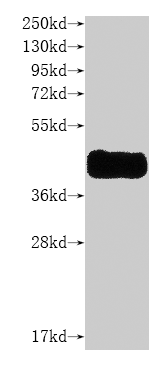
Recombinant Human C-C chemokine receptor type 8 (CCR8)-VLPs (Active)
Express system: Mammalian cell
Species: Homo sapiens (Human)
-
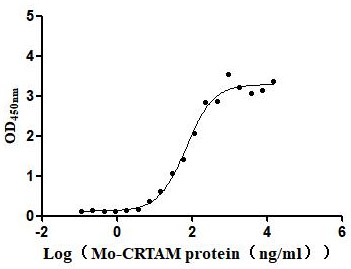
Recombinant Mouse Cell adhesion molecule 1 (Cadm1), partial (Active)
Express system: Mammalian cell
Species: Mus musculus (Mouse)
-
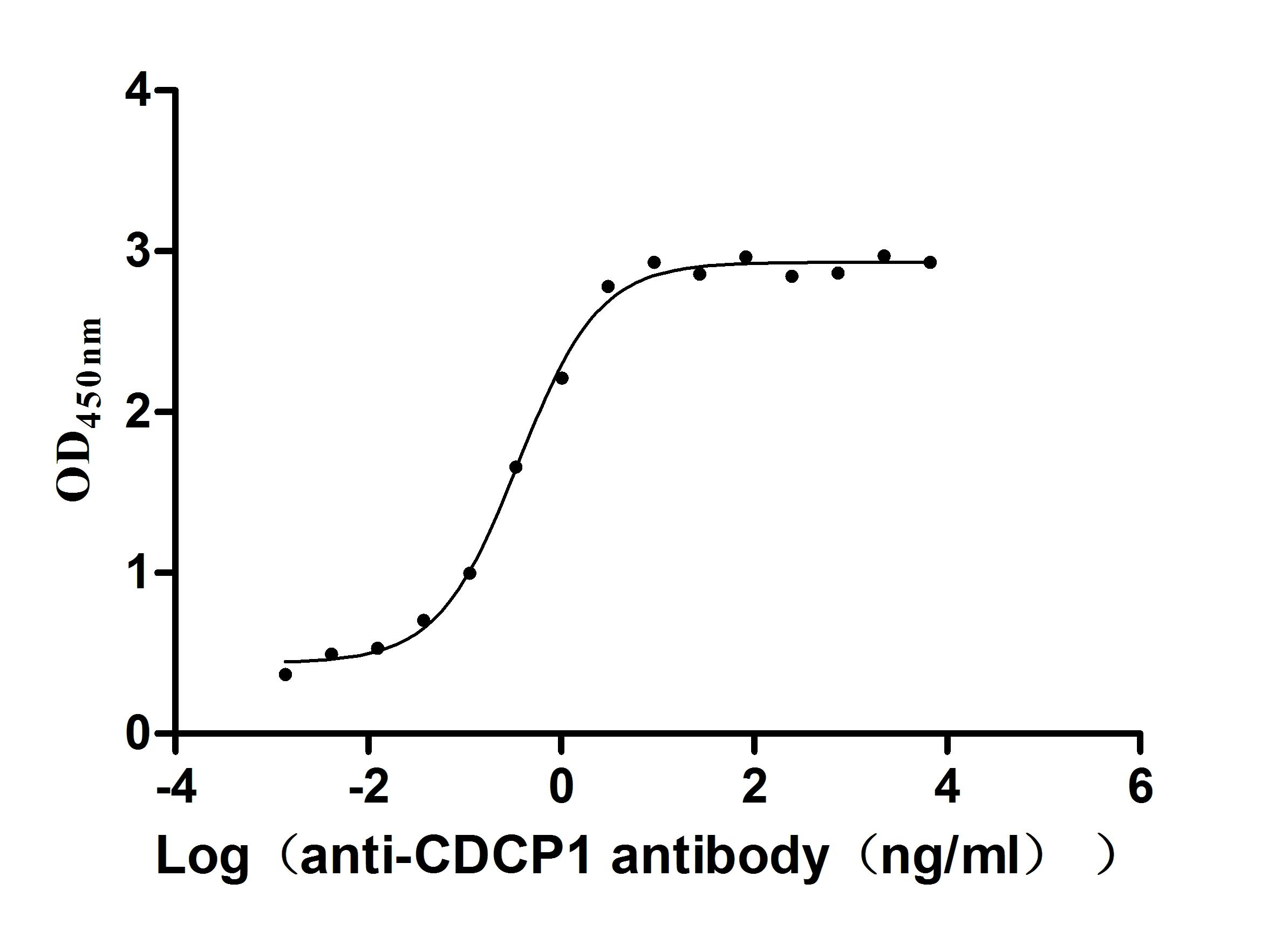
Recombinant Human CUB domain-containing protein 1 (CDCP1), partial (Active)
Express system: Mammalian cell
Species: Homo sapiens (Human)
-
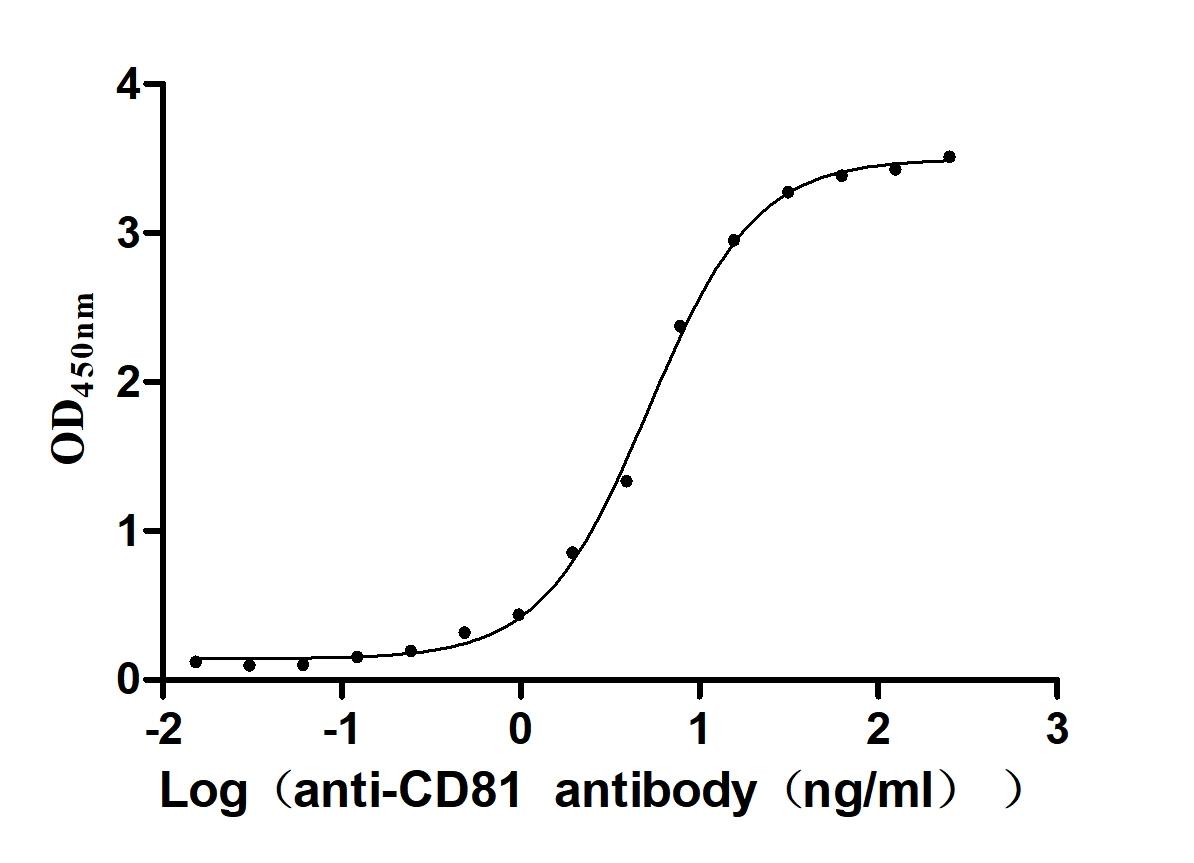
Recombinant Human CD81 antigen (CD81), partial (Active)
Express system: Mammalian cell
Species: Homo sapiens (Human)
-
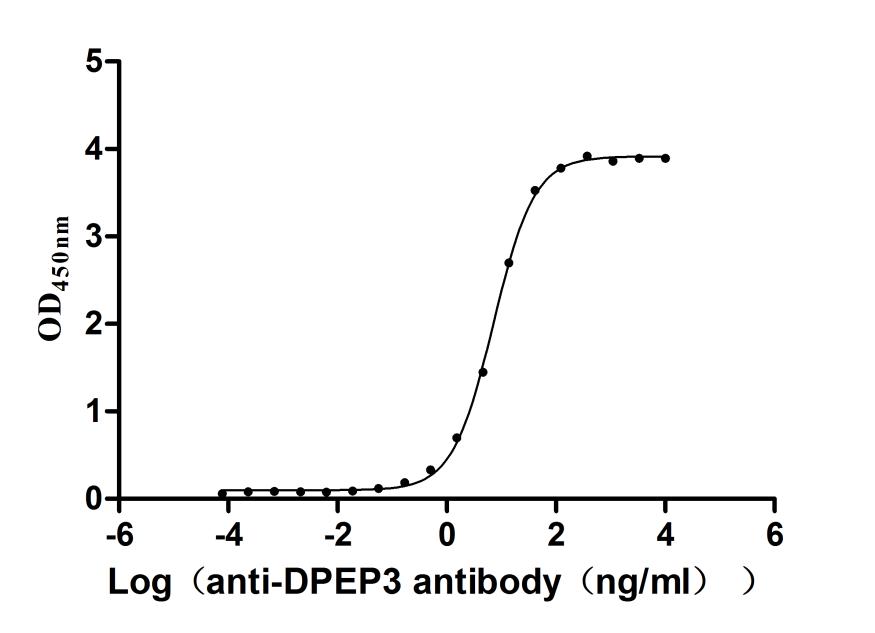
Recombinant Human Dipeptidase 3(DPEP3), partial (Active)
Express system: Mammalian cell
Species: Homo sapiens (Human)