Recombinant Mouse Lymphocyte antigen 6C1 (Ly6c1)
-
中文名稱:小鼠Ly6c1重組蛋白
-
貨號(hào):CSB-EP317813MO
-
規(guī)格:
-
來源:E.coli
-
其他:
-
中文名稱:小鼠Ly6c1重組蛋白
-
貨號(hào):CSB-EP317813MO-B
-
規(guī)格:
-
來源:E.coli
-
共軛:Avi-tag Biotinylated
E. coli biotin ligase (BirA) is highly specific in covalently attaching biotin to the 15 amino acid AviTag peptide. This recombinant protein was biotinylated in vivo by AviTag-BirA technology, which method is BriA catalyzes amide linkage between the biotin and the specific lysine of the AviTag.
-
其他:
-
中文名稱:小鼠Ly6c1重組蛋白
-
貨號(hào):CSB-BP317813MO
-
規(guī)格:
-
來源:Baculovirus
-
其他:
-
中文名稱:小鼠Ly6c1重組蛋白
-
貨號(hào):CSB-MP317813MO
-
規(guī)格:
-
來源:Mammalian cell
-
其他:
產(chǎn)品詳情
-
純度:>85% (SDS-PAGE)
-
基因名:Name:Ly6c1
-
Uniprot No.:
-
別名:Ly6c1; Lymphocyte antigen 6C1; Ly-6C1
-
種屬:Mus musculus (Mouse)
-
蛋白長(zhǎng)度:Full Length of Mature Protein
-
表達(dá)區(qū)域:27-109
-
氨基酸序列LQCY ECYGVPIETS CPAVTCRASD GFCIAQNIEL IEDSQRRKLK TRQCLSFCPA GVPIRDPNIR ERTSCCSEDL CNAAVPTAG
-
蛋白標(biāo)簽:Tag?type?will?be?determined?during?the?manufacturing?process.
The tag type will be determined during production process. If you have specified tag type, please tell us and we will develop the specified tag preferentially. -
產(chǎn)品提供形式:Lyophilized powder
Note: We will preferentially ship the format that we have in stock, however, if you have any special requirement for the format, please remark your requirement when placing the order, we will prepare according to your demand. -
復(fù)溶:We recommend that this vial be briefly centrifuged prior to opening to bring the contents to the bottom. Please reconstitute protein in deionized sterile water to a concentration of 0.1-1.0 mg/mL.We recommend to add 5-50% of glycerol (final concentration) and aliquot for long-term storage at -20℃/-80℃. Our default final concentration of glycerol is 50%. Customers could use it as reference.
-
儲(chǔ)存條件:Store at -20°C/-80°C upon receipt, aliquoting is necessary for mutiple use. Avoid repeated freeze-thaw cycles.
-
保質(zhì)期:The shelf life is related to many factors, storage state, buffer ingredients, storage temperature and the stability of the protein itself.
Generally, the shelf life of liquid form is 6 months at -20°C/-80°C. The shelf life of lyophilized form is 12 months at -20°C/-80°C. -
貨期:Delivery time may differ from different purchasing way or location, please kindly consult your local distributors for specific delivery time.Note: All of our proteins are default shipped with normal blue ice packs, if you request to ship with dry ice, please communicate with us in advance and extra fees will be charged.
-
注意事項(xiàng):Repeated freezing and thawing is not recommended. Store working aliquots at 4°C for up to one week.
-
Datasheet :Please contact us to get it.
產(chǎn)品評(píng)價(jià)

相關(guān)產(chǎn)品
靶點(diǎn)詳情
-
基因功能參考文獻(xiàn):
- Splenic Ly6C(hi) monocytes contribute to adverse late post-ischemic left ventricular remodeling in heme oxygenase-1 deficient mice. PMID: 28534119
- CX3CL1 is upregulated in both human and murine tumors following VEGF signaling blockade, resulting in recruitment of CX3CR1+Ly6Clo monocytes into the tumor PMID: 28691930
- surface expression on Ly6C(high) monocytes changes in a time-of-day-dependent manner, which crucially affects cardiac monocyte recruitment after an acute ischemic event. PMID: 28663258
- monocyte differentiation occurred through de novo enhancer establishment and activation of pre-established (poised) enhancers. Generation of Ly6C(-) monocytes involved induction of the transcription factor C/EBPbeta and C/EBPbeta-deficient mice lacked Ly6C(-) monocytes. PMID: 28514690
- Ly6C, 4-1BB, and KLRG1 have roles in the activation of lamina propria lymphocytes in the small intestine in a mouse model of Crohn's disease PMID: 28011265
- The adapter Mal (encoded by TIRAP) has appeared crucial for the cytokine production by Ly6C(lo) but not by Ly6C(hi) monocytes. The protein Mal was necessary to induce cytokine synthesis by Ly6C(lo) monocytes after triggering TLR2 or TLR9. PMID: 27646001
- Data show that Ly6C(high) monocyte subset after middle cerebral artery occlusion/reperfusion (MCAO/R) peaked on day 2 after the operation and was correlated with cerebral infarct size. PMID: 26927544
- Chronic parasitic infection maintains high frequencies of short-lived Ly6C+CD4+ effector T cells that are required for protection against re-infection. PMID: 25473946
- Monocytes expressing Ly-6C orchestrate both inflammatory and reparative phases during myocardial infarction. PMID: 24625784
- MPYS-deficient Ly6C(hi) monocytes are intrinsically defective in migration to the liver, but not the spleen. PMID: 23378430
- Differential Ly-6C expression identifies the recruited macrophage phenotype, which orchestrates the regression of murine liver fibrosis. PMID: 23100531
- Identify for the involvement of inflammatory Ly-6C(hi) monocytes in the pathogenesis of transplant arteriosclerosis, particularly in conditions of hyperlipidemia. PMID: 22704806
- decreased Ly6C and T-bet (Tbx21) expression distinguished a subset of Th1 cells that displayed greater longevity and proliferative responses to secondary infection PMID: 22018471
- TNF-alpha-dependent regulation of acute pancreatitis severity by Ly-6C(hi) monocytes in mice. PMID: 21343291
- Ly6C(high-expressing) and Ly6C(low-expressing) bone marrow (BM)-derived monocytes have different fates, demonstrating that BM may be a reservoir of preinflammatory monocytes for rapid deployment as inflammatory dendritic cells during virus infection. PMID: 21248254
- in vitro and in vivo differentiation of naive CD8(+) T cells into central (Tcm) but not effector (Tem) memory T cells enhances Ly6C expression, and its crosslinking induces strong LFA-1 clustering on Tcm PMID: 21308682
- The tumor-monocyte pool almost exclusively consisted of Ly6C(hi)CX(3)CR1(low) monocytes, which continuously seeded tumors and renewed all nonproliferating tumor associated macrophages subsets. PMID: 20570887
- Th1 but not Th2 cytokine environments transiently induce the expression of Ly-6C on B cells. There are differences in the regulation of Ly-6C expression in Ly6.1 and Ly6.2 strains. PMID: 12184918
- Ly6C when cross-linked is able to regulate endothelial adhesion of CD8 T cells via activation of LFA-1 in a manner that involves Ly6C down-regulation on the cell surface. PMID: 12538687
- During systemic listeria infection, a subset of Ly-6C-expressing monocytes transports L. monocytogenes into the brain and establishes its role of bacterial spreading in vivo. PMID: 15034057
- plasmacytoid dendritic cells can only be derived from the CD31(high)/Ly6C(-) subset, the subset that reportedly contains the highest frequency of early and late cobblestone area forming cells PMID: 17084826
- Ly-6C(hi) monocytes represent a newly recognized component of the inflammatory response in experimental atherosclerosis. PMID: 17200719
- In resting lung, Ly-6C(high)CCR2(high) monocytes repopulate CD103-positive dendritic cells (DCs) using a CCR2-dependent mechanism, and these DCs preferentially retain residual CCR2 in the lung. PMID: 18292524
- DeltaactA-infected IFN-gamma-/- mice had no brain influx of Ly-6Chigh monocytes despite normal monocyte trafficking from bone marrow to blood and spleen PMID: 18566419
- Data suggest that CCL2-dependent, Ly6C+ inflammatory monocyte migration is critical for increases in microglia during West Nile Virus infection and may also play a pathogenic role during WNV encephalitis. PMID: 18779347
- Granulocyte-macrophage colony-stimulating factor-driven release of Ly6C(hi) precursors from the bone marrow prevents exhaustion of central nervous system myeloid populations during relapsing or chronic autoimmune demyelination. PMID: 19196868
- Ly6C(low-expressing) mature monocytes can promote tolerance to self antigen contained in apoptotic cells through a programmed death ligand (PDL-1)-dependent mechanism. PMID: 19234172
- Gr-1 Ab induces signals leading to myelopoiesis and affects myeloid-derived suppressor cell activity, suggesting functional roles for Ly-6C/G molecules in macrophage differentiation and neutrophil apoptosis. PMID: 19830733
- Ly6C is a marker of macrophage subsets and support a model of selective recruitment of Ly6C(high) bone marrow monocytes to the kidney that differentiate into three populations of kidney macrophages, including a profibrotic Ly6C(low) population. PMID: 19864592
顯示更多
收起更多
-
亞細(xì)胞定位:Cell membrane; Lipid-anchor, GPI-anchor.
-
數(shù)據(jù)庫(kù)鏈接:
Most popular with customers
-
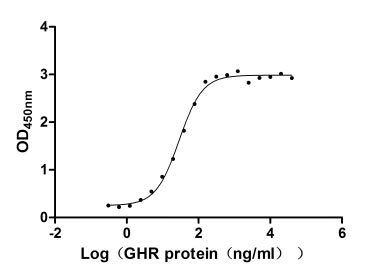
Recombinant Human Growth hormone receptor (GHR), partial (Active)
Express system: Mammalian cell
Species: Homo sapiens (Human)
-
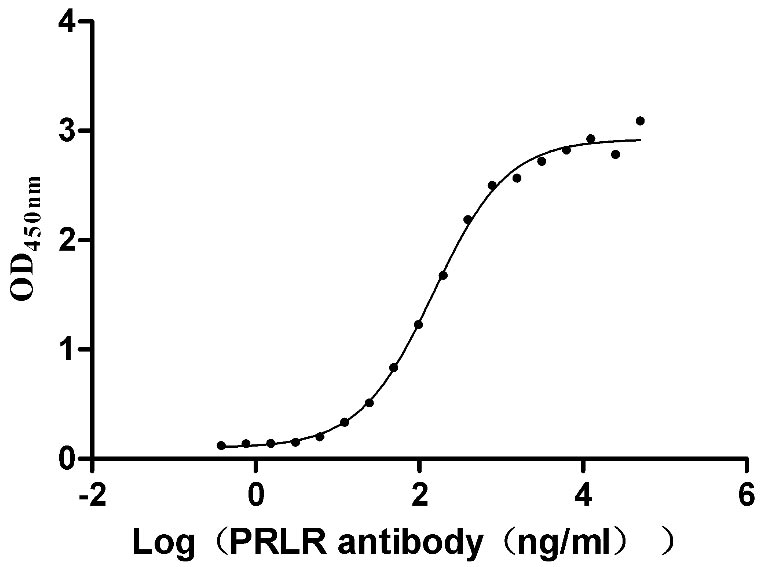
Recombinant Human Prolactin receptor (PRLR), partial (Active)
Express system: Mammalian cell
Species: Homo sapiens (Human)
-
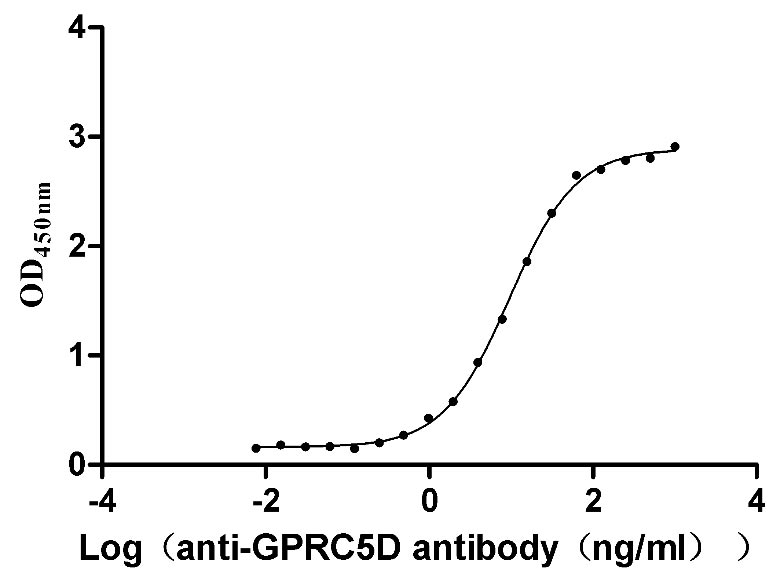
Recombinant Human G-protein coupled receptor family C group 5 member D (GPRC5D)-VLPs (Active)
Express system: Mammalian cell
Species: Homo sapiens (Human)
-
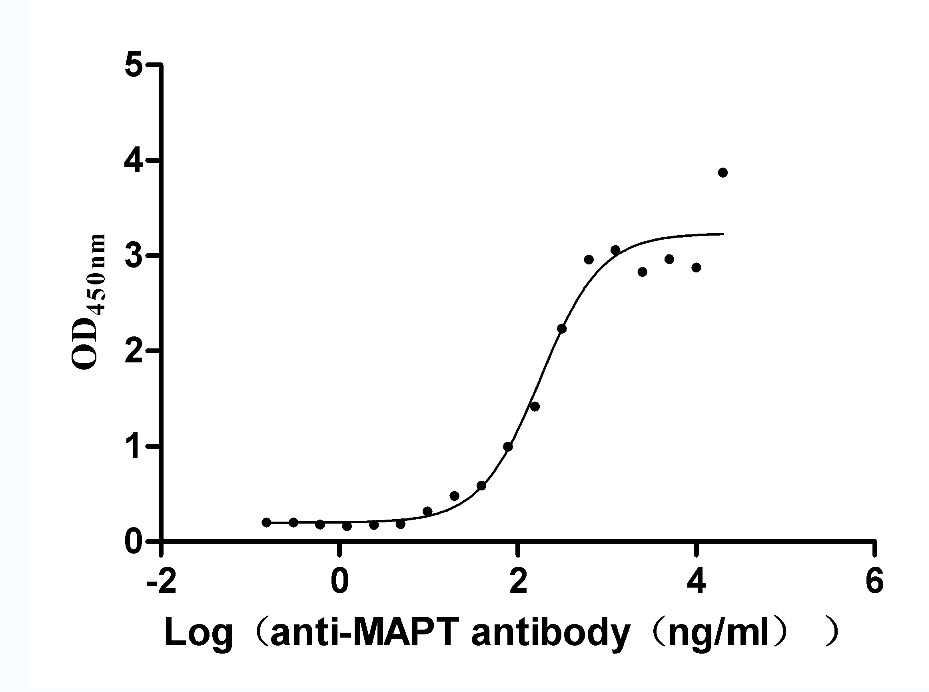
Recombinant Rat Microtubule-associated protein tau (Mapt) (Active)
Express system: Mammalian cell
Species: Rattus norvegicus (Rat)
-
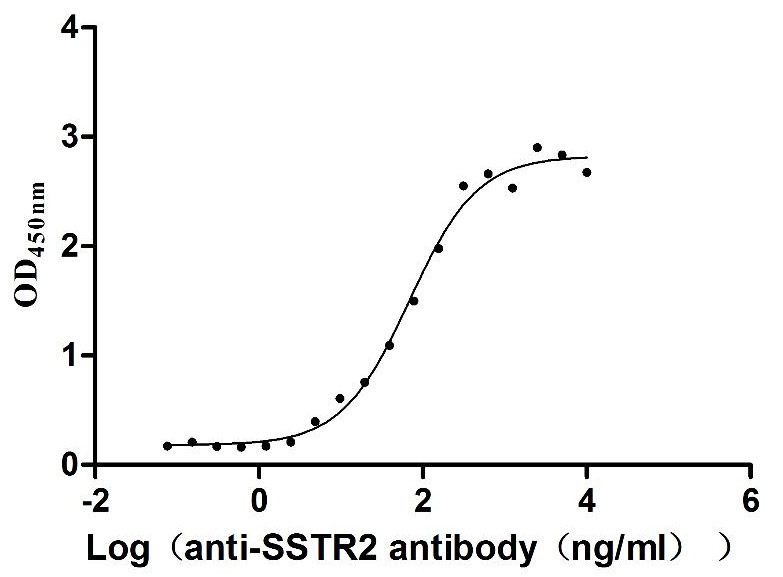
Recombinant Human Somatostatin receptor type 2 (SSTR2)-VLPs (Active)
Express system: Mammalian cell
Species: Homo sapiens (Human)
-
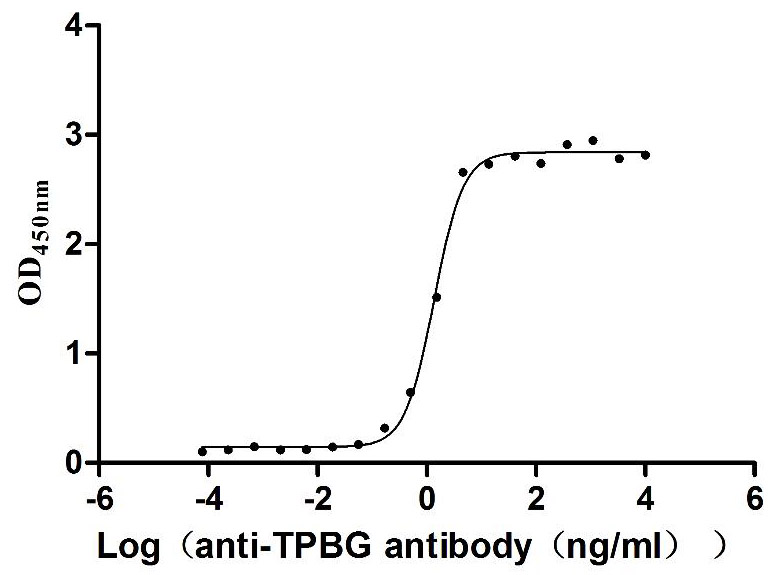
Recombinant Human Trophoblast glycoprotein (TPBG), partial (Active)
Express system: Mammalian cell
Species: Homo sapiens (Human)
-
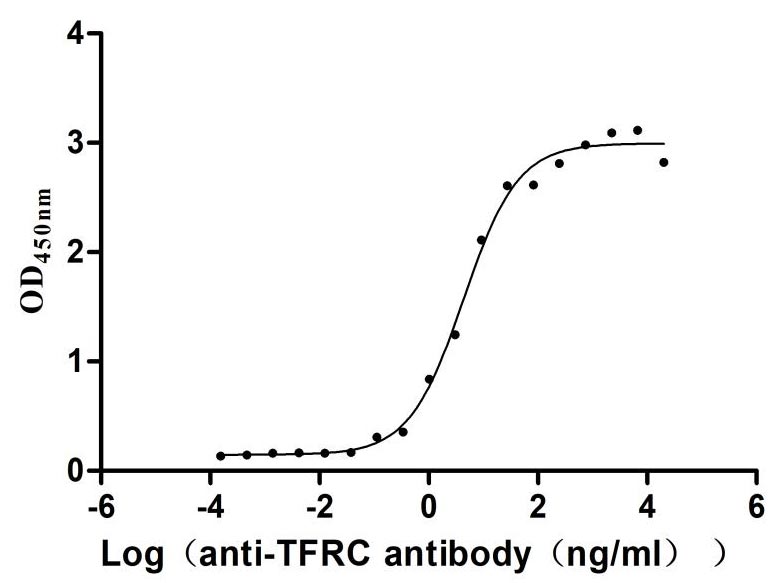
Recombinant Human Transferrin receptor protein 1 (TFRC), partial (Active)
Express system: Mammalian cell
Species: Homo sapiens (Human)
-
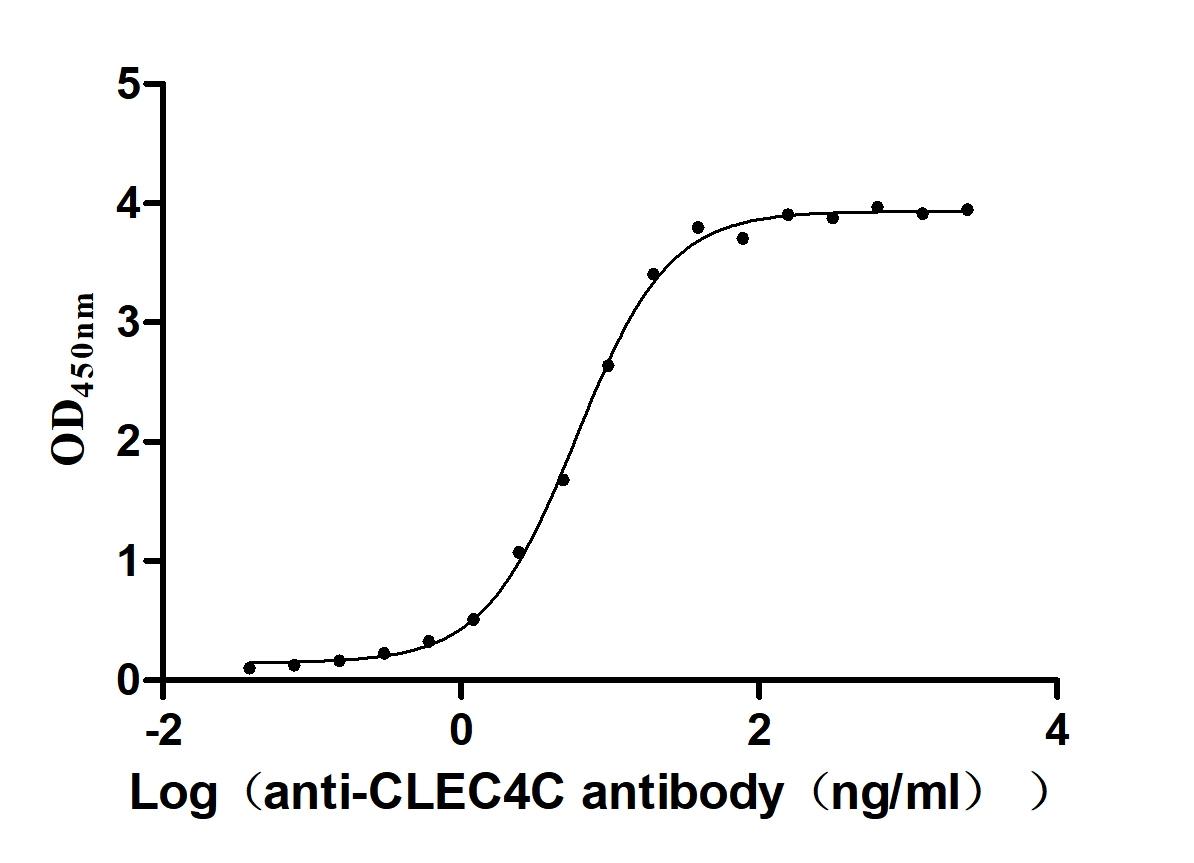
Recombinant Macaca fascicularis C-type lectin domain family 4 member C(CLEC4C), partial (Active)
Express system: Mammalian cell
Species: Macaca fascicularis (Crab-eating macaque) (Cynomolgus monkey)