Recombinant Mouse Guanine nucleotide-binding protein subunit beta-2-like 1 (Gnb2l1)
-
中文名稱(chēng):小鼠Rack1重組蛋白
-
貨號(hào):CSB-YP009605MO
-
規(guī)格:
-
來(lái)源:Yeast
-
其他:
-
中文名稱(chēng):小鼠Rack1重組蛋白
-
貨號(hào):CSB-EP009605MO
-
規(guī)格:
-
來(lái)源:E.coli
-
其他:
-
中文名稱(chēng):小鼠Rack1重組蛋白
-
貨號(hào):CSB-EP009605MO-B
-
規(guī)格:
-
來(lái)源:E.coli
-
共軛:Avi-tag Biotinylated
E. coli biotin ligase (BirA) is highly specific in covalently attaching biotin to the 15 amino acid AviTag peptide. This recombinant protein was biotinylated in vivo by AviTag-BirA technology, which method is BriA catalyzes amide linkage between the biotin and the specific lysine of the AviTag.
-
其他:
-
中文名稱(chēng):小鼠Rack1重組蛋白
-
貨號(hào):CSB-BP009605MO
-
規(guī)格:
-
來(lái)源:Baculovirus
-
其他:
-
中文名稱(chēng):小鼠Rack1重組蛋白
-
貨號(hào):CSB-MP009605MO
-
規(guī)格:
-
來(lái)源:Mammalian cell
-
其他:
產(chǎn)品詳情
-
純度:>85% (SDS-PAGE)
-
基因名:Rack1
-
Uniprot No.:
-
別名:Rack1; Gnb2-rs1; Gnb2l1; Receptor of activated protein C kinase 1; 12-3; Guanine nucleotide-binding protein subunit beta-2-like 1; Receptor for activated C kinase; Receptor of activated protein kinase C 1; p205) [Cleaved into: Receptor of activated protein C kinase 1; N-terminally processed; Guanine nucleotide-binding protein subunit beta-2-like 1; N-terminally processed)]
-
種屬:Mus musculus (Mouse)
-
蛋白長(zhǎng)度:Full length protein
-
表達(dá)區(qū)域:1-317
-
氨基酸序列MTEQMTLRGT LKGHNGWVTQ IATTPQFPDM ILSASRDKTI IMWKLTRDET NYGIPQRALR GHSHFVSDVV ISSDGQFALS GSWDGTLRLW DLTTGTTTRR FVGHTKDVLS VAFSSDNRQI VSGSRDKTIK LWNTLGVCKY TVQDESHSEW VSCVRFSPNS SNPIIVSCGW DKLVKVWNLA NCKLKTNHIG HTGYLNTVTV SPDGSLCASG GKDGQAMLWD LNEGKHLYTL DGGDIINALC FSPNRYWLCA ATGPSIKIWD LEGKIIVDEL KQEVISTSSK AEPPQCTSLA WSADGQTLFA GYTDNLVRVW QVTIGTR
-
蛋白標(biāo)簽:Tag?type?will?be?determined?during?the?manufacturing?process.
The tag type will be determined during production process. If you have specified tag type, please tell us and we will develop the specified tag preferentially. -
產(chǎn)品提供形式:Lyophilized powder
Note: We will preferentially ship the format that we have in stock, however, if you have any special requirement for the format, please remark your requirement when placing the order, we will prepare according to your demand. -
復(fù)溶:We recommend that this vial be briefly centrifuged prior to opening to bring the contents to the bottom. Please reconstitute protein in deionized sterile water to a concentration of 0.1-1.0 mg/mL.We recommend to add 5-50% of glycerol (final concentration) and aliquot for long-term storage at -20℃/-80℃. Our default final concentration of glycerol is 50%. Customers could use it as reference.
-
儲(chǔ)存條件:Store at -20°C/-80°C upon receipt, aliquoting is necessary for mutiple use. Avoid repeated freeze-thaw cycles.
-
保質(zhì)期:The shelf life is related to many factors, storage state, buffer ingredients, storage temperature and the stability of the protein itself.
Generally, the shelf life of liquid form is 6 months at -20°C/-80°C. The shelf life of lyophilized form is 12 months at -20°C/-80°C. -
貨期:Delivery time may differ from different purchasing way or location, please kindly consult your local distributors for specific delivery time.Note: All of our proteins are default shipped with normal blue ice packs, if you request to ship with dry ice, please communicate with us in advance and extra fees will be charged.
-
注意事項(xiàng):Repeated freezing and thawing is not recommended. Store working aliquots at 4°C for up to one week.
-
Datasheet :Please contact us to get it.
產(chǎn)品評(píng)價(jià)

靶點(diǎn)詳情
-
功能:Scaffolding protein involved in the recruitment, assembly and/or regulation of a variety of signaling molecules. Interacts with a wide variety of proteins and plays a role in many cellular processes. Component of the 40S ribosomal subunit involved in translational repression. Involved in the initiation of the ribosome quality control (RQC), a pathway that takes place when a ribosome has stalled during translation, by promoting ubiquitination of a subset of 40S ribosomal subunits. Binds to and stabilizes activated protein kinase C (PKC), increasing PKC-mediated phosphorylation. May recruit activated PKC to the ribosome, leading to phosphorylation of EIF6. Inhibits the activity of SRC kinases including SRC, LCK and YES1. Inhibits cell growth by prolonging the G0/G1 phase of the cell cycle. Enhances phosphorylation of BMAL1 by PRKCA and inhibits transcriptional activity of the BMAL1-CLOCK heterodimer. Facilitates ligand-independent nuclear translocation of AR following PKC activation, represses AR transactivation activity and is required for phosphorylation of AR by SRC. Modulates IGF1R-dependent integrin signaling and promotes cell spreading and contact with the extracellular matrix. Involved in PKC-dependent translocation of ADAM12 to the cell membrane. Promotes the ubiquitination and proteasome-mediated degradation of proteins such as CLEC1B and HIF1A. Required for VANGL2 membrane localization, inhibits Wnt signaling, and regulates cellular polarization and oriented cell division during gastrulation. Required for PTK2/FAK1 phosphorylation and dephosphorylation. Regulates internalization of the muscarinic receptor CHRM2. Promotes apoptosis by increasing oligomerization of BAX and disrupting the interaction of BAX with the anti-apoptotic factor BCL2L. Inhibits TRPM6 channel activity. Regulates cell surface expression of some GPCRs such as TBXA2R. Plays a role in regulation of FLT1-mediated cell migration. Involved in the transport of ABCB4 from the Golgi to the apical bile canalicular membrane.
-
基因功能參考文獻(xiàn):
- The data of this study suggested that point contacts are a targeted site of local translation within growth cones, and RACK1 is a critical member of the point contact complex and necessary for appropriate neural development. PMID: 28245531
- A sequential and coordinated activation of ERK, JNK and STAT3 with RACK1 is shown to accelerate aggressive melanoma development in vivo. PMID: 28343944
- Leads to the enhanced and previously un-described interaction of RACK1 and TCTP. PMID: 27816562
- RACK1 competes with Rab40C for binding to the ANKR2 domain of Varp and regulates dendrite outgrowth through stabilization of Varp in mouse melanocytes PMID: 27066885
- Data show that receptor for activated C-kinase 1 (RACK1) and vascular endothelial growth factor (VEGF) expression is up-regulated after choroidal neovascularization (CNV) formation. PMID: 27112838
- RACK1 is a novel factor required for adipocyte differentiation. PMID: 27653985
- deficit of RACK1 in hippocampus impairs the ability of learning and memory in mice via up regulating autophagy PMID: 26930371
- Thr50 phosphorylation of RACK1 enhances its direct binding to Vps15, Atg14L, and Beclin 1, thereby promoting the assembly of the autophagy-initiation complex. PMID: 26549445
- These findings suggest that RACK1 specifies the RANKL-stimulated activation of p38 MAPK by facilitating the association of MKK6 with TAK1 PMID: 26038599
- RACK1 stimulates the translation of collagen 1alpha 1, snail and cyclin E1 in hepatic stellate cells. PMID: 26002467
- Results suggest that RACK1-Annexin A7 interaction may be one of the means by which RACK1 and Annexin A7 influence the metastasis potential of mouse hepatocarcinoma cells in vitro. PMID: 24491534
- Rack1/PI3K/Rac1 signaling pathway may play a crucial role in malignant biological behaviors of mouse hepatocarcinoma cells with lymphatic metastasis potential PMID: 23582786
- The results suggest RACK1 as a downstream target gene of TGF-beta1 involved in the modulation of liver fibrosis progression in vitro and in vivo, and propose a strategy to target RACK1 for liver fibrosis treatment. PMID: 23555900
- Protein synthesis is reduced in RACK1-deficient mice. PMID: 23212600
- These results reveal that Rack1 has a very important role in tumorigenesis by maintaining the stability of c-Jun that has been phosphorylated at its N-terminus by JNKs or other kinases. PMID: 21860413
- RACK1 targeting by YopK is a requirement for virulence PMID: 21347310
- Interaction of protein inhibitor of activated STAT 2 (PIAS2) with receptor of activated C kinase 1, RACK1. PMID: 22210188
- IGFBPrP1 plays an important role in the development of hepatic fibrosis. PMID: 21034621
- Findings demonstrate that RACK1 functions as a key component in regulating the IRE1alpha signaling pathway in pancreatic beta cells. PMID: 20103773
- findings show that Receptor for activated C kinase-1 (RACK1) and protein kinase C-alpha (PKCalpha) were recruited in a circadian manner into a nuclear BMAL1 complex during the negative feedback phase of the cycle PMID: 20093473
- The anchoring protein RACK1 links protein kinase Cepsilon to integrin beta chains. PMID: 11934885
- RACK1 is a scaffold that interacts with several proteins, among which are activated betaIIPKC and dynamin-1 PMID: 12359736
- Interaction of "readthrough" acetylcholinesterase with this protein and PKCbeta II correlates with intensified fear-induced conflict behavior PMID: 12509514
- Depletion of farnesyl pyrophosphate provides a mechanism to seal PKC signaling on the membrane with immobile RACK1 and to divert cells to aberrant growth, such as transformation. PMID: 12884273
- RACK1 regulates G1/S progression by suppressing Src kinase activity PMID: 15254245
- During myelomonocytic cell differentiation, induction of p205 expression contributes to cell growth arrest, thus allowing progenitor cells to differentiate. PMID: 15342947
- RACK1 has a scaffolding function and regulates adhesion and insulin-like growth factor I signals that are necessary to regulate Akt activity and to promote turnover of focal adhesions and cell migration PMID: 15611085
- On the other hand, the syndecan-2/RACK1 complex was found to have Src in an inactivated form. PMID: 15752734
- dimerization when transformed by oncogenic ras PMID: 15796907
- Rackl binds to a signal transfer region of G betagamma and inhibits phospholipase C beta2 activation. PMID: 16051595
- an important role for RACK1 during CNS development and support multiple functions of the protein in the adult brain. PMID: 16414032
- Our data support a model where RACK1 acts as a key factor in Ki-Ras-mediated morphological transformation. PMID: 17149700
- data provide an example in which RACK1 selects its tyrosine kinase partner Abl to perform transformation with either S-ras(Q61K) or E-ras PMID: 17881279
- RACK1 tethers the ERK pathway core kinases and channels signals from upstream activation by integrins to downstream targets at focal adhesions. PMID: 17908799
- findings suggest that morphine reward can influence the expression of RACK1 in mouse hippocampus and prefrontal cortex through regulating CREB transcription PMID: 19341783
- RACK-1 plays a crucial role in regulating cell death signalling pathways induced by goniothalamin PMID: 19698770
- RACK1 is a structural component of the ribosomal small subunit (40S). PMID: 15577927
顯示更多
收起更多
-
亞細(xì)胞定位:Cell membrane; Peripheral membrane protein. Cytoplasm. Cytoplasm, perinuclear region. Nucleus. Perikaryon. Cell projection, dendrite.
-
蛋白家族:WD repeat G protein beta family, Ribosomal protein RACK1 subfamily
-
組織特異性:Strongly and ubiquitously expressed in the embryonic and early postnatal brain. At 11.5 dpc, expressed in a high-dorsal to low-ventral gradient throughout the brain. At 13.5 dpc, most abundant in the telecephalon. At 18.5 dpc, expressed most abundantly in
-
數(shù)據(jù)庫(kù)鏈接:
Most popular with customers
-
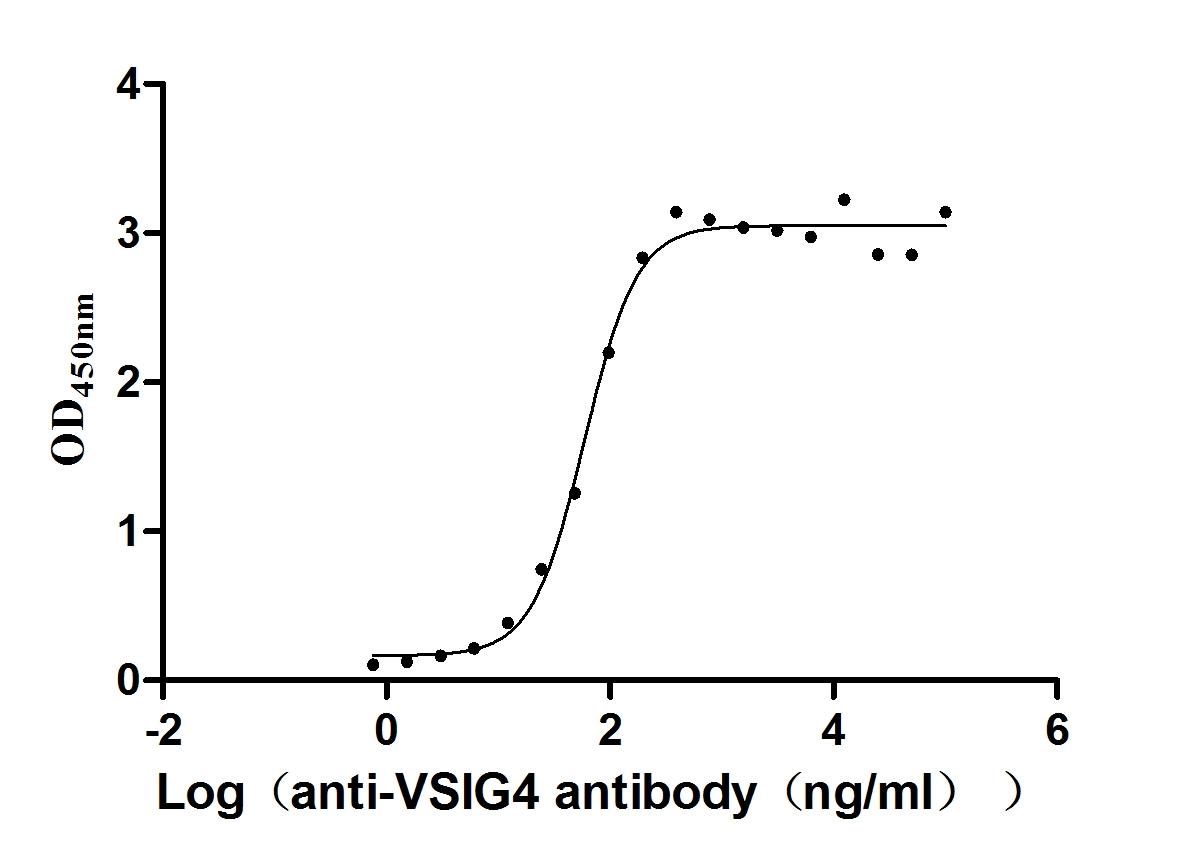
Recombinant Human V-set and immunoglobulin domain-containing protein 4 (VSIG4), partial (Active)
Express system: Mammalian cell
Species: Homo sapiens (Human)
-
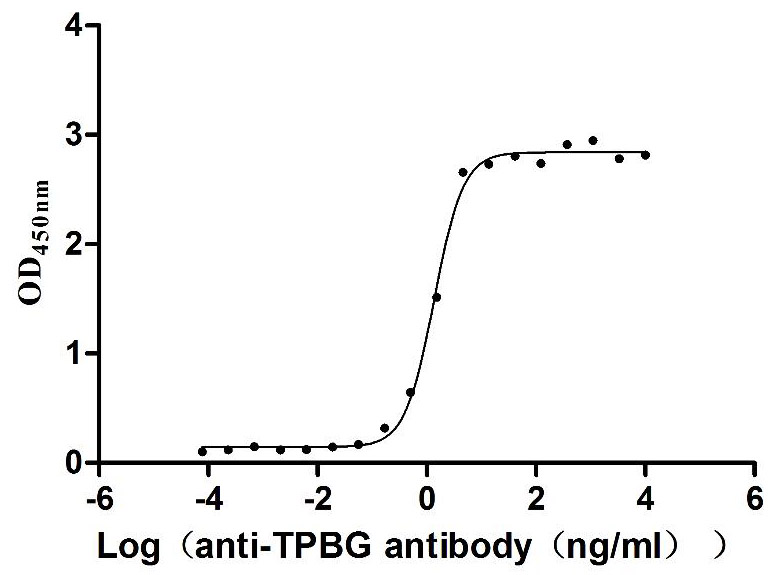
Recombinant Human Trophoblast glycoprotein (TPBG), partial (Active)
Express system: Mammalian cell
Species: Homo sapiens (Human)
-
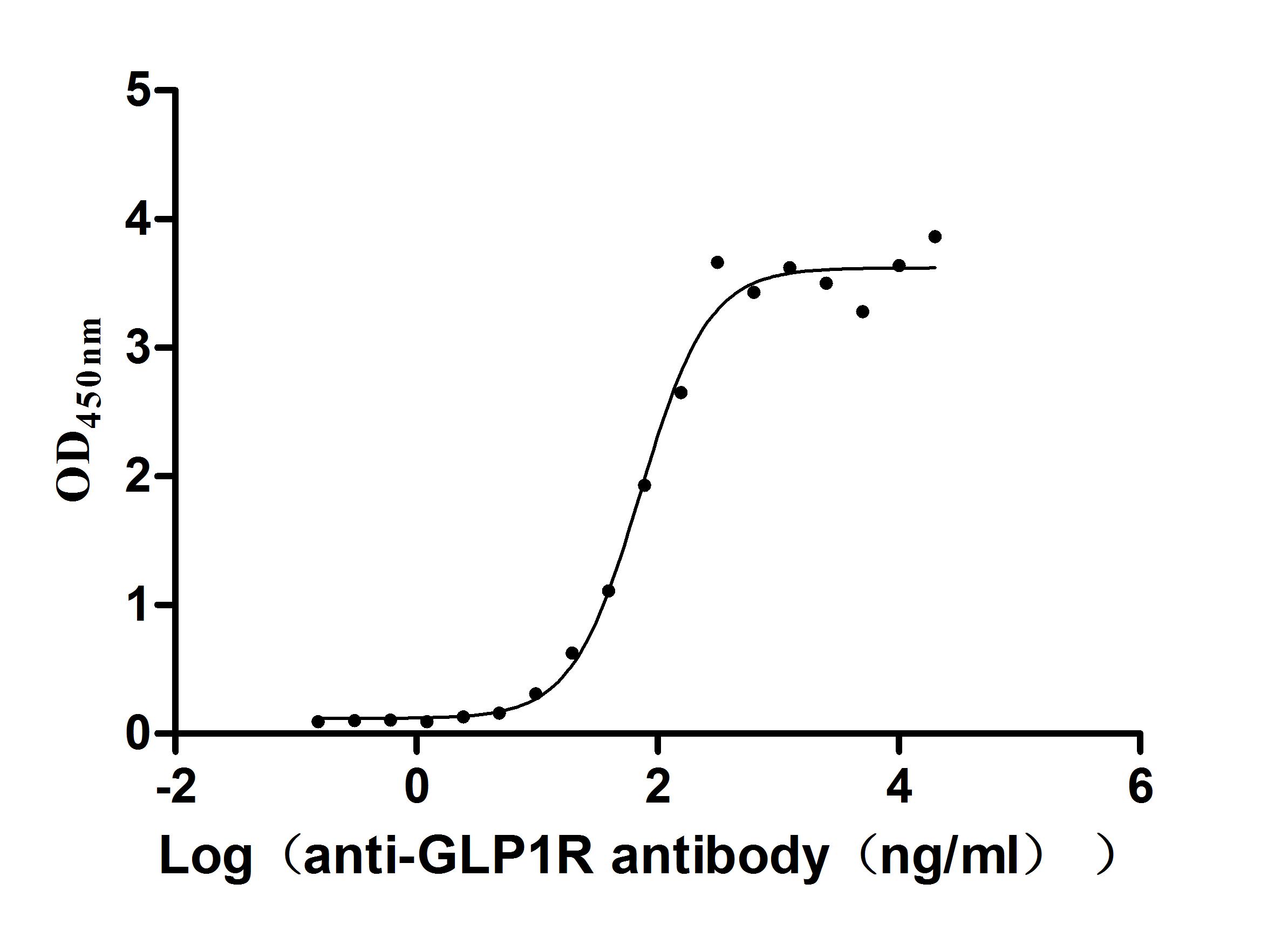
Recombinant Human Glucagon-like peptide 1 receptor (GLP1R), partial (Active)
Express system: Mammalian cell
Species: Homo sapiens (Human)
-
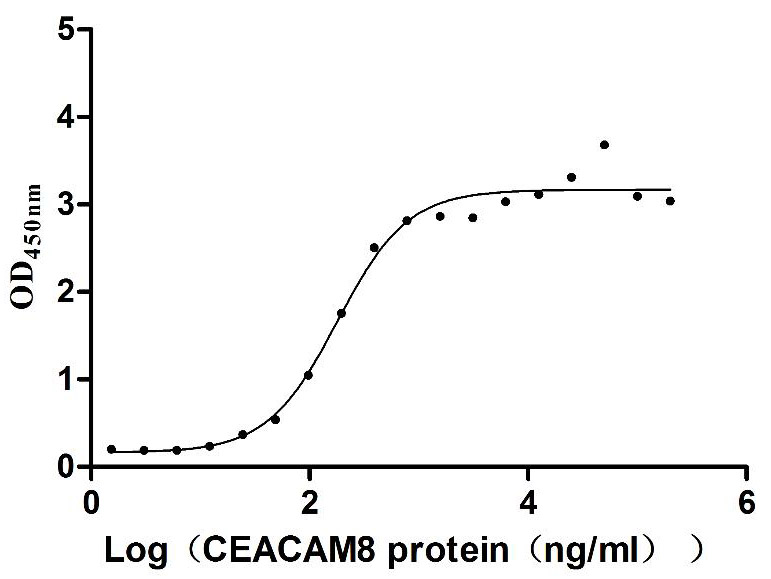
Recombinant Human Carcinoembryonic antigen-related cell adhesion molecule 6 (CEACAM6) (Active)
Express system: Mammalian cell
Species: Homo sapiens (Human)
-
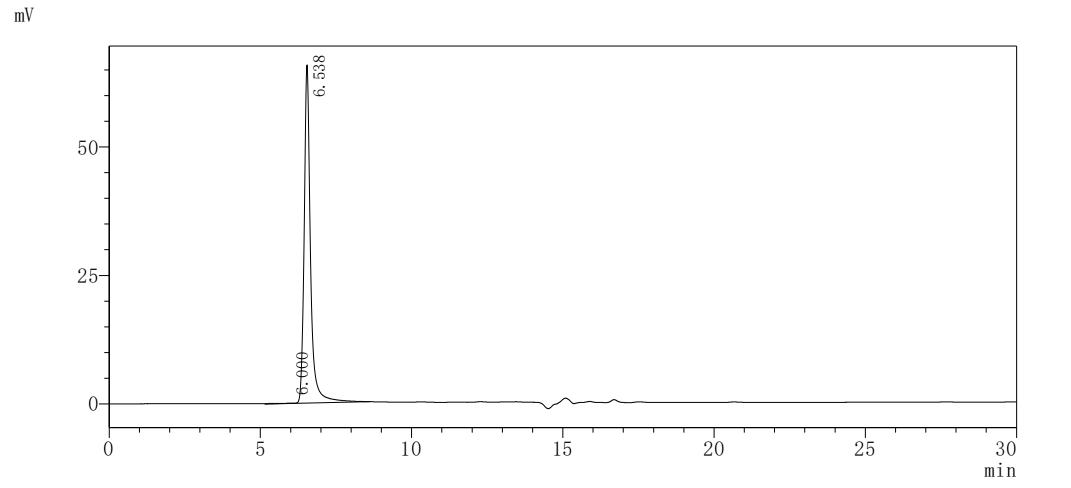
Recombinant Human C-C chemokine receptor type 9 (CCR9)-VLPs (Active)
Express system: Mammalian cell
Species: Homo sapiens (Human)
-
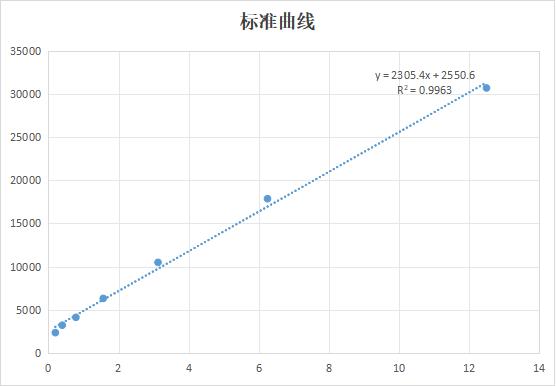
Recombinant Human Urokinase-type plasminogen activator(PLAU) (Active)
Express system: Mammalian cell
Species: Homo sapiens (Human)
-
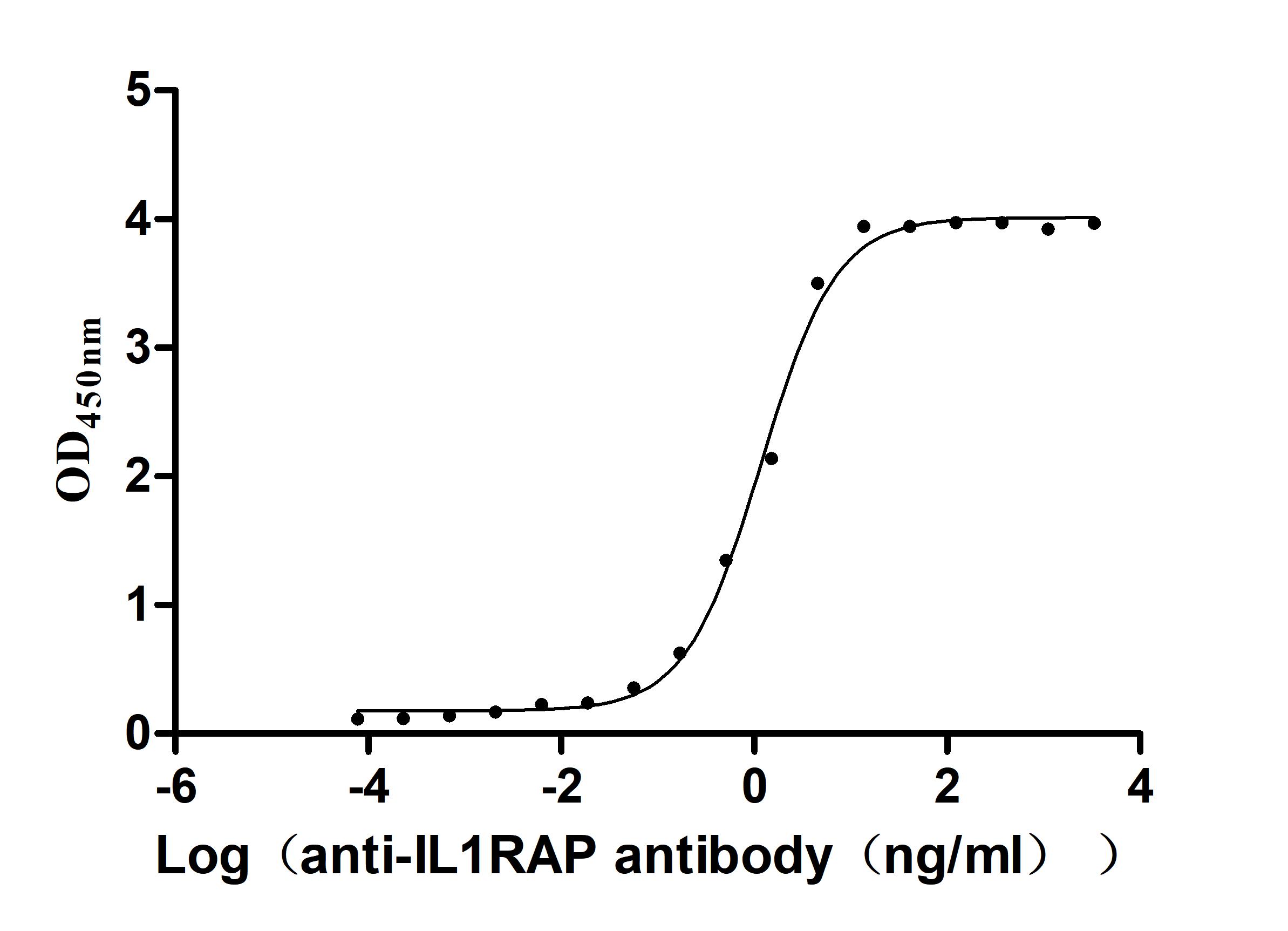
Recombinant Human Interleukin-1 receptor accessory protein (IL1RAP), partial (Active)
Express system: Mammalian cell
Species: Homo sapiens (Human)