Recombinant Mouse Cytoplasmic protein NCK1 (Nck1)
-
中文名稱:小鼠Nck1重組蛋白
-
貨號:CSB-YP859559MO
-
規(guī)格:
-
來源:Yeast
-
其他:
-
中文名稱:小鼠Nck1重組蛋白
-
貨號:CSB-EP859559MO
-
規(guī)格:
-
來源:E.coli
-
其他:
-
中文名稱:小鼠Nck1重組蛋白
-
貨號:CSB-EP859559MO-B
-
規(guī)格:
-
來源:E.coli
-
共軛:Avi-tag Biotinylated
E. coli biotin ligase (BirA) is highly specific in covalently attaching biotin to the 15 amino acid AviTag peptide. This recombinant protein was biotinylated in vivo by AviTag-BirA technology, which method is BriA catalyzes amide linkage between the biotin and the specific lysine of the AviTag.
-
其他:
-
中文名稱:小鼠Nck1重組蛋白
-
貨號:CSB-BP859559MO
-
規(guī)格:
-
來源:Baculovirus
-
其他:
-
中文名稱:小鼠Nck1重組蛋白
-
貨號:CSB-MP859559MO
-
規(guī)格:
-
來源:Mammalian cell
-
其他:
產(chǎn)品詳情
-
純度:>85% (SDS-PAGE)
-
基因名:
-
Uniprot No.:
-
別名:Nck1; Cytoplasmic protein NCK1; NCK adaptor protein 1; Nck-1
-
種屬:Mus musculus (Mouse)
-
蛋白長度:Full Length of Mature Protein
-
表達(dá)區(qū)域:2-377
-
氨基酸序列AEEVVVVAK FDYVAQQEQE LDIKKNERLW LLDDSKSWWR VRNSMNKTGF VPSNYVERKN SARKASIVKN LKDTLGIGKV KRKPSVPDTA SPADDSFVDP GERLYDLNMP AFVKFNYMAE REDELSLIKG TKVIVMEKCS DGWWRGSYNG QIGWFPSNYV TEEGDSPLGD HVGSLSEKLA AVVNNLNTGQ VLHVVQALYP FSSSNDEELN FEKGDVMDVI EKPENDPEWW KCRKINGMVG LVPKNYVTIM QNNPLTSGLE PSPPQCDYIR PSLTGKFAGN PWYYGKVTRH QAEMALNERG HEGDFLIRDS ESSPNDFSVS LKAQGKNKHF KVQLKETVYC IGQRKFSTME ELVEHYKKAP IFTSEQGEKL YLVKHLS
-
蛋白標(biāo)簽:Tag?type?will?be?determined?during?the?manufacturing?process.
The tag type will be determined during production process. If you have specified tag type, please tell us and we will develop the specified tag preferentially. -
產(chǎn)品提供形式:Lyophilized powder
Note: We will preferentially ship the format that we have in stock, however, if you have any special requirement for the format, please remark your requirement when placing the order, we will prepare according to your demand. -
復(fù)溶:We recommend that this vial be briefly centrifuged prior to opening to bring the contents to the bottom. Please reconstitute protein in deionized sterile water to a concentration of 0.1-1.0 mg/mL.We recommend to add 5-50% of glycerol (final concentration) and aliquot for long-term storage at -20℃/-80℃. Our default final concentration of glycerol is 50%. Customers could use it as reference.
-
儲存條件:Store at -20°C/-80°C upon receipt, aliquoting is necessary for mutiple use. Avoid repeated freeze-thaw cycles.
-
保質(zhì)期:The shelf life is related to many factors, storage state, buffer ingredients, storage temperature and the stability of the protein itself.
Generally, the shelf life of liquid form is 6 months at -20°C/-80°C. The shelf life of lyophilized form is 12 months at -20°C/-80°C. -
貨期:Delivery time may differ from different purchasing way or location, please kindly consult your local distributors for specific delivery time.Note: All of our proteins are default shipped with normal blue ice packs, if you request to ship with dry ice, please communicate with us in advance and extra fees will be charged.
-
注意事項:Repeated freezing and thawing is not recommended. Store working aliquots at 4°C for up to one week.
-
Datasheet :Please contact us to get it.
產(chǎn)品評價

靶點詳情
-
功能:Adapter protein which associates with tyrosine-phosphorylated growth factor receptors, such as KDR and PDGFRB, or their cellular substrates. Maintains low levels of EIF2S1 phosphorylation by promoting its dephosphorylation by PP1. Plays a role in the DNA damage response, not in the detection of the damage by ATM/ATR, but for efficient activation of downstream effectors, such as that of CHEK2. Plays a role in ELK1-dependent transcriptional activation in response to activated Ras signaling. Modulates the activation of EIF2AK2/PKR by dsRNA.
-
基因功能參考文獻(xiàn):
- Nck1 silencing in pancreatic beta cells promotes PERK activation and signaling to protect beta cells against pathological stresses. PMID: 26434994
- In mice with Nck1/2 deletions, endothelial cells fail to develop front-rear polarized vessel sprouts. PMID: 26659946
- These results reveal that Nck regulates preosteoblastic/osteoblastic migration and bone mass. PMID: 26621720
- we show that the non-catalytic region of tyrosine kinase adaptor (NCK) proteins 1 and 2 are distributed in the developing spinal cord PMID: 25913325
- Nck proteins not only participate in thymic selection and generation of the peripheral T cell repertoire but also are involved in the differentiation and effector functions of CD4(+) T cells. PMID: 25995205
- these data identify Nck as an important mediator of oxidative stress-induced inflammation and a potential therapeutic target for ischemia/reperfusion injury. PMID: 25714462
- Nck may function as an effector of T-cell receptor conformational changes during T cell development. PMID: 25468995
- Mouse embryos lacking endothelial Nck1/2 expression develop extensive angiogenic defects that result in lethality at about embryonic day 10. PMID: 25691664
- Nck1 negatively regulates PERK by interacting with PERK and protecting PERK from being dephosphorylated at its inhibitory site pY(561) and in this way affects pancreatic beta-cell proinsulin biogenesis. PMID: 24371088
- that Nck recruitment to the TCR is fundamental to mount an efficient T cell response in vivo, and that the Nck-CD3epsilon interaction may represent a target for pharmacological modulation of the immune response. PMID: 24470497
- Using mouse embryonic fibroblasts lacking Nck, WIP, or N-WASP, this study investigated whether an interaction of Nck with both WIP and N-WASP is required for their recruitment to vaccinia during Arp2/3-dependent actin assembly. PMID: 23707428
- Nck1 gene deficiency accelerates mechanical unloading-induced bone loss, suggesting Nck1 to be a crucial molecule in mechanical stress mediated regulation in bone metabolism. PMID: 23280595
- Nck-mediated recruitment of BCAP to the BCR regulates the PI(3)K-Akt pathway in B cells. PMID: 23913047
- The study identifies Nck as a key coordinator of cytoskeletal changes that enable cell polarization and directional migration, which are crucial processes in development and disease. PMID: 23444376
- Nck is recruited to the TCR in an inducible manner in CD4+/CD8+ thymocytes. This recruitment is required for the activation of early TCR-dependent events. PMID: 23267019
- These data highlight similar pathogenic strategies shared by EPEC and vaccinia virus by demonstrating a requirement for both Nck and N-WASP, but not WIP or WIP family members in pathogen-induced actin assembly. PMID: 22966049
- Nck and Cdc42 co-operate to recruit N-WASP to promote FcgammaR-mediated phagocytosis. PMID: 22454526
- our findings implicate Nck1 in regulating the unfolded protein response, which secondary to obesity impairs glucose homeostasis and insulin actions PMID: 20587749
- Fine tuning of the threshold of T cell selection by the Nck adapters. PMID: 21078909
- Findings unveil a crucial role for the Nck adaptors in shaping the T-cell repertoire to ensure maximal antigenic coverage and optimal T cell excitability. PMID: 20709959
- The novel ponsin isoform and its interaction with Nck1/2 provide exciting insight into the convergence of signalling pathways at the costameres, and its crucial role for skeletal muscle differentiation and re-generation. PMID: 20129698
- These data show that a Gab1-Nck signalling complex interacts with several receptor tyrosine kinases to promote polarised actin remodelling and downstream biological responses. PMID: 20332103
- Results show that DIP/WISH binds to mammalian diaphanous and N-WASP, and functions as a scaffold protein by binding to Nck protein. PMID: 19778379
- Modulation of protein translation by Nck-1. PMID: 11959995
- Dok-related protein negatively regulates T cell development via its RasGTPase-activating protein and Nck docking sites PMID: 12093790
- Nck1 and Nck2 have roles in cell movement and cytoskeletal organization PMID: 12808099
- Data show that clustering of Nck by a 12-residue Tir phosphopeptide is sufficient to trigger localized actin assembly. PMID: 14757753
- inability of Nck to bind to the CD3epsilon proline-rich sequence in thymocytes after TCR ligation PMID: 15972658
- nephrin selectively binds the Src homology 2 (SH2)/SH3 domain-containing Nck adaptor proteins, which in turn control the podocyte cytoskeleton in vivo PMID: 16525419
- nephrin phosphorylation results in Src kinase activation, recruitment of Nck, and assembly of actin filaments in an Nck-dependent fashion PMID: 16543952
- Nck adaptors play an essential role in linking the activated platelet-derived growth factor B receptor with actin dynamics through a pathway that involves p130(Cas) PMID: 16769879
- Data show that Nck (isoforms 1 and 2) as a component of the CReP/PP1c holophosphatase complex contributes to maintain eIF2alpha in a hypophosphorylated state, and modulates translation and eIF2alpha signaling in response to ER stress. PMID: 16835242
- NCK adaptor protein 1 plays an essential role in facilitating neuronal cytoskeletal changes underlying the postmigratory differentiation of cortical neurons, a critical step in functional wiring of the cortex. PMID: 17481396
- Nck adaptors couple pTyr guidance signals to cytoskeletal events required for the ipsilateral projections of spinal cord neurons and thus for normal limb movemen PMID: 18093944
- the Nck adapters are needed for signaling to Rho GTPases and actin dynamics downstream of the PDGFbeta receptor PMID: 18765673
- independent roles and mechanisms of action of Nckalpha and Nckbeta in dermal fibroblast migration, which is critical for wound healing. PMID: 19242519
- Nck is required to maintain adult podocytes and phosphotyrosine-based interactions with nephrin may occur in foot processes of resting, mature podocytes. PMID: 19443634
- Study uncovers a strong reciprocal interdependence between Nck and PI(4,5)P(2) in promoting localized N-WASp-mediated actin polymerization in cells. PMID: 19917259
顯示更多
收起更多
-
亞細(xì)胞定位:Cytoplasm. Endoplasmic reticulum. Nucleus.
-
數(shù)據(jù)庫鏈接:
Most popular with customers
-
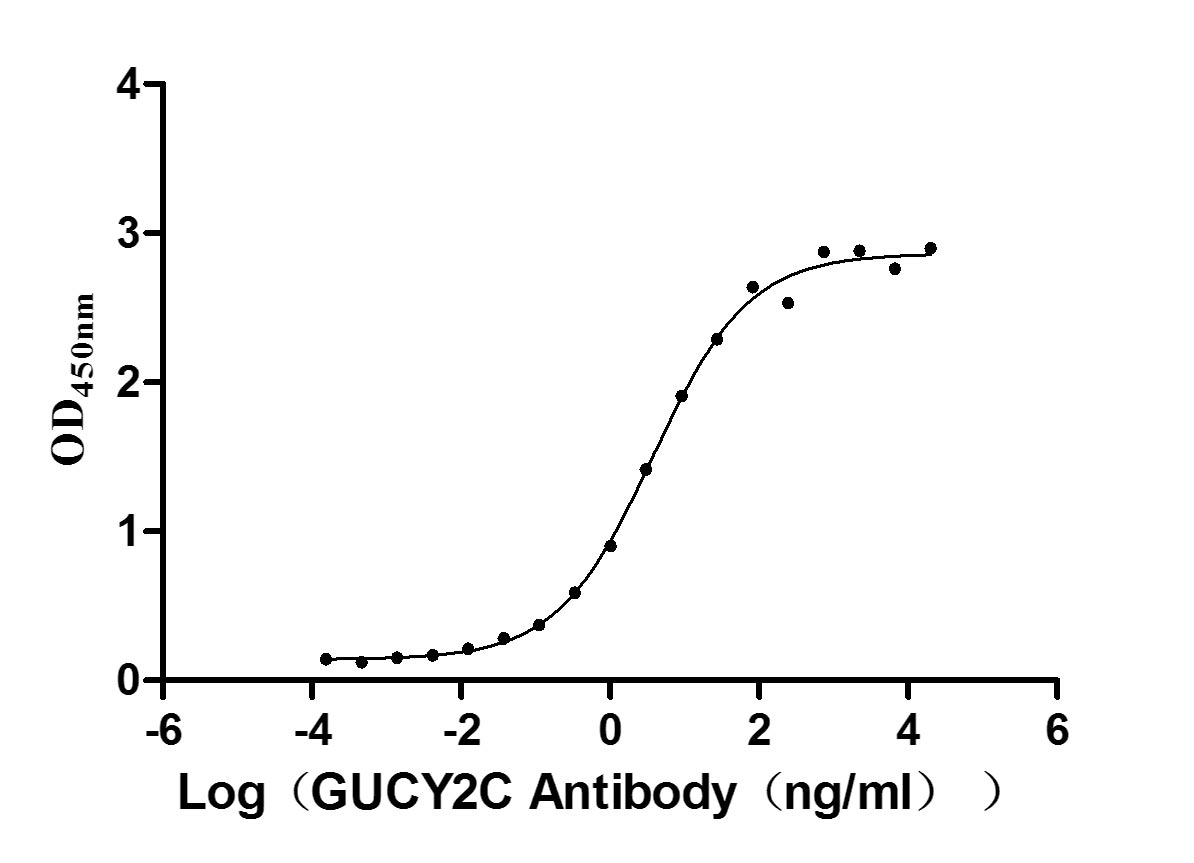
Recombinant Human Heat-stable enterotoxin receptor (GUCY2C), partial (Active)
Express system: Mammalian cell
Species: Homo sapiens (Human)
-
-AC1.jpg)
Recombinant Human HLA class II histocompatibility antigen gamma chain (CD74), partial (Active)
Express system: Mammalian cell
Species: Homo sapiens (Human)
-
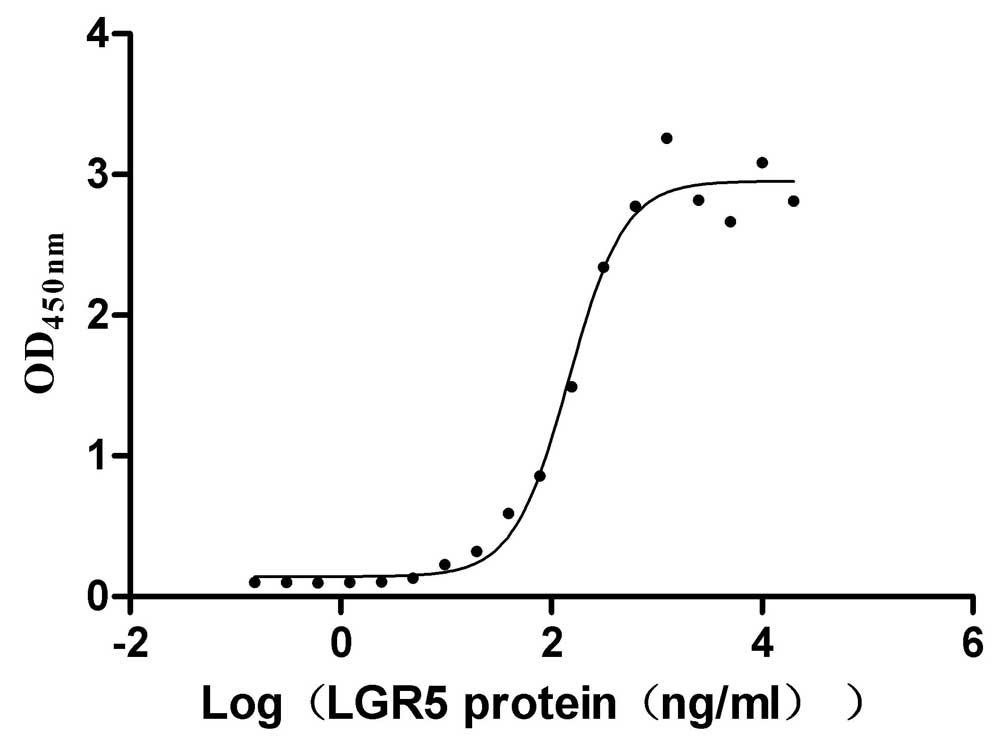
Recombinant Human R-spondin-1 (RSPO1), partial (Active)
Express system: Mammalian cell
Species: Homo sapiens (Human)
-
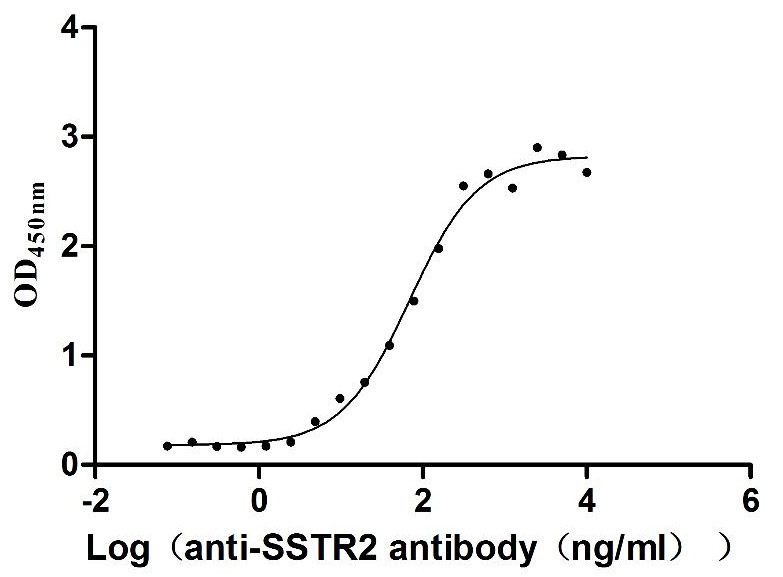
Recombinant Human Somatostatin receptor type 2 (SSTR2)-VLPs (Active)
Express system: Mammalian cell
Species: Homo sapiens (Human)
-
-AC5.jpg)
Recombinant Human Claudin-6 (CLDN6)-VLPs (Active)
Express system: Mammalian cell
Species: Homo sapiens (Human)
-
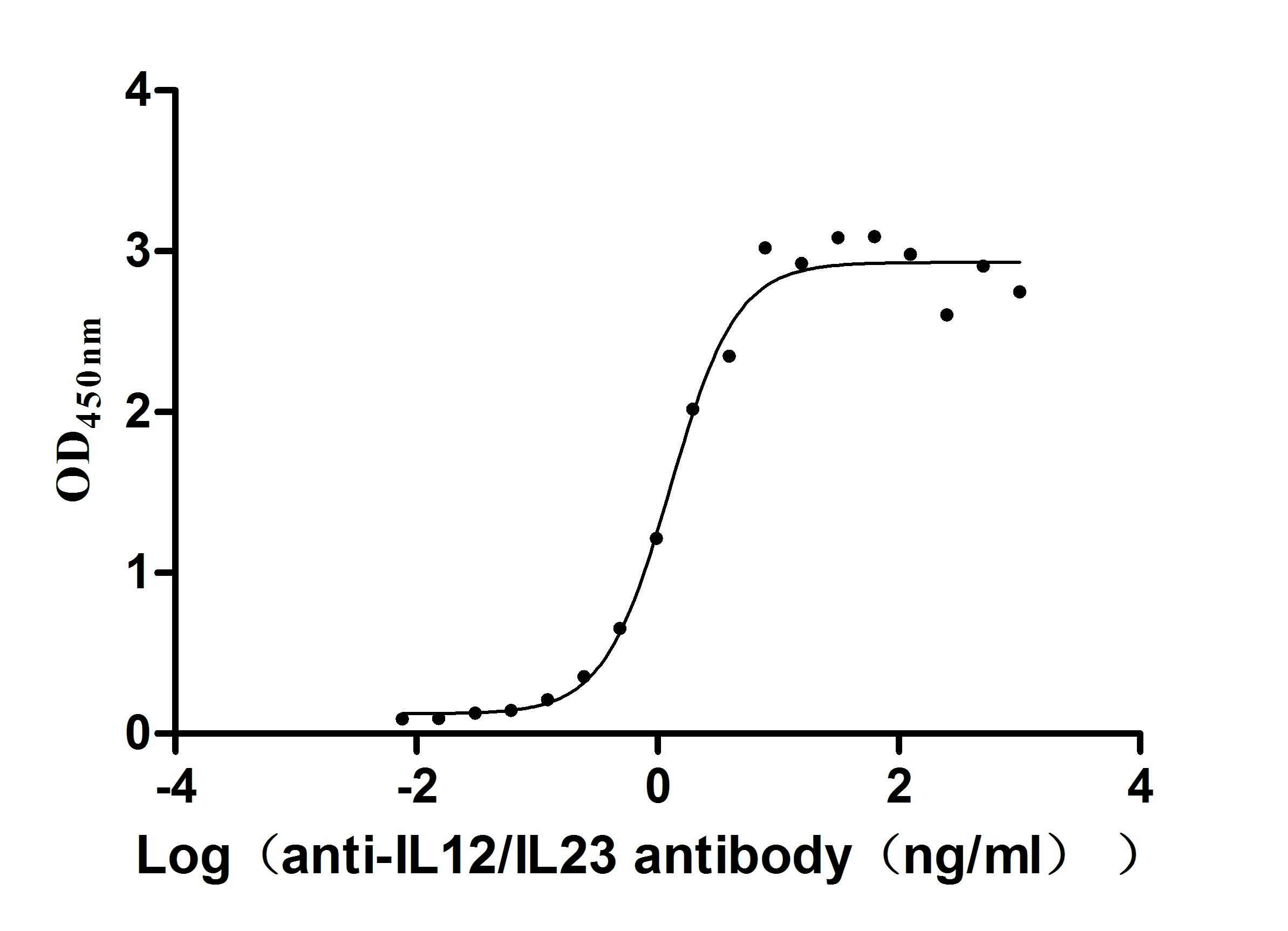
Recombinant Human IL12B&IL12A Heterodimer Protein (Active)
Express system: Mammalian cell
Species: Homo sapiens (Human)
-
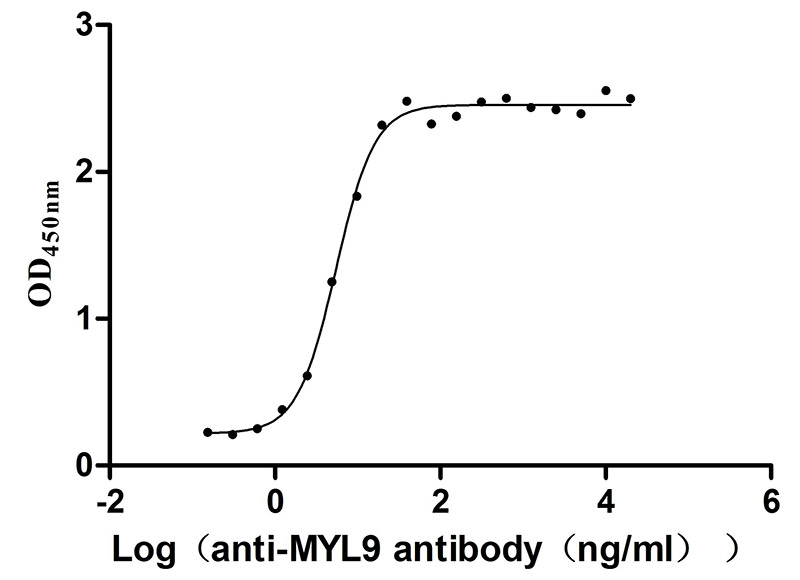
Recombinant Human Myosin regulatory light polypeptide 9 (MYL9) (Active)
Express system: Yeast
Species: Homo sapiens (Human)
-
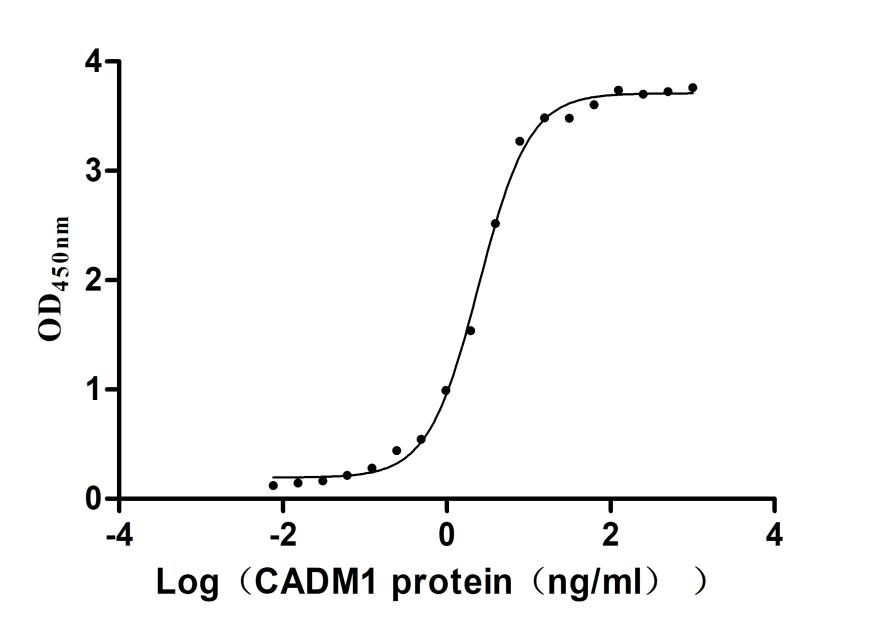
Recombinant Human Cytotoxic and regulatory T-cell molecule (CRTAM), partial (Active)
Express system: Mammalian cell
Species: Homo sapiens (Human)