Recombinant Mouse Cyclin-dependent kinase 9 (Cdk9)
-
中文名稱:Recombinant Mouse Cyclin-dependent kinase 9(Cdk9)
-
貨號:CSB-YP005079MO
-
規(guī)格:
-
來源:Yeast
-
其他:
-
中文名稱:Recombinant Mouse Cyclin-dependent kinase 9(Cdk9)
-
貨號:CSB-EP005079MO-B
-
規(guī)格:
-
來源:E.coli
-
共軛:Avi-tag Biotinylated
E. coli biotin ligase (BirA) is highly specific in covalently attaching biotin to the 15 amino acid AviTag peptide. This recombinant protein was biotinylated in vivo by AviTag-BirA technology, which method is BriA catalyzes amide linkage between the biotin and the specific lysine of the AviTag.
-
其他:
-
中文名稱:Recombinant Mouse Cyclin-dependent kinase 9(Cdk9)
-
貨號:CSB-BP005079MO
-
規(guī)格:
-
來源:Baculovirus
-
其他:
-
中文名稱:Recombinant Mouse Cyclin-dependent kinase 9(Cdk9)
-
貨號:CSB-MP005079MO
-
規(guī)格:
-
來源:Mammalian cell
-
其他:
產(chǎn)品詳情
-
純度:>85% (SDS-PAGE)
-
基因名:Cdk9
-
Uniprot No.:
-
別名:Cdk9Cyclin-dependent kinase 9; EC 2.7.11.22; EC 2.7.11.23; Cell division protein kinase 9
-
種屬:Mus musculus (Mouse)
-
蛋白長度:full length protein
-
表達(dá)區(qū)域:1-372
-
氨基酸序列MAKQYDSVEC PFCDEVTKYE KLAKIGQGTF GEVFKAKHRQ TGQKVALKKV LMENEKEGFP ITALREIKIL QLLKHENVVN LIEICRTKAS PYNRCKGSIY LVFDFCEHDL AGLLSNVLVK FTLSEIKRVM QMLLNGLYYI HRNKILHRDM KAANVLITRD GVLKLADFGL ARAFSLAKNS QPNRYTNRVV TLWYRPPELL LGERDYGPPI DLWGAGCIMA EMWTRSPIMQ GNTEQHQLAL ISQLCGSITP EVWPNVDKYE LFEKLELVKG QKRKVKDRLK AYVRDPYALD LIDKLLVLDP AQRIDSDDAL NHDFFWSDPM PSDLKGMLST HLTSMFEYLA PPRRKGSQIT QQSTNQSRNP ATTNQTEFER VF
-
蛋白標(biāo)簽:Tag?type?will?be?determined?during?the?manufacturing?process.
The tag type will be determined during production process. If you have specified tag type, please tell us and we will develop the specified tag preferentially. -
產(chǎn)品提供形式:Lyophilized powder
Note: We will preferentially ship the format that we have in stock, however, if you have any special requirement for the format, please remark your requirement when placing the order, we will prepare according to your demand. -
復(fù)溶:We recommend that this vial be briefly centrifuged prior to opening to bring the contents to the bottom. Please reconstitute protein in deionized sterile water to a concentration of 0.1-1.0 mg/mL.We recommend to add 5-50% of glycerol (final concentration) and aliquot for long-term storage at -20℃/-80℃. Our default final concentration of glycerol is 50%. Customers could use it as reference.
-
儲存條件:Store at -20°C/-80°C upon receipt, aliquoting is necessary for mutiple use. Avoid repeated freeze-thaw cycles.
-
保質(zhì)期:The shelf life is related to many factors, storage state, buffer ingredients, storage temperature and the stability of the protein itself.
Generally, the shelf life of liquid form is 6 months at -20°C/-80°C. The shelf life of lyophilized form is 12 months at -20°C/-80°C. -
貨期:Delivery time may differ from different purchasing way or location, please kindly consult your local distributors for specific delivery time.Note: All of our proteins are default shipped with normal blue ice packs, if you request to ship with dry ice, please communicate with us in advance and extra fees will be charged.
-
注意事項:Repeated freezing and thawing is not recommended. Store working aliquots at 4°C for up to one week.
-
Datasheet :Please contact us to get it.
產(chǎn)品評價

相關(guān)產(chǎn)品
靶點詳情
-
功能:Protein kinase involved in the regulation of transcription. Member of the cyclin-dependent kinase pair (CDK9/cyclin-T) complex, also called positive transcription elongation factor b (P-TEFb), which facilitates the transition from abortive to productive elongation by phosphorylating the CTD (C-terminal domain) of the large subunit of RNA polymerase II (RNAP II) POLR2A, SUPT5H and RDBP. This complex is inactive when in the 7SK snRNP complex form. Phosphorylates EP300, MYOD1, RPB1/POLR2A and AR and the negative elongation factors DSIF and NELF. Regulates cytokine inducible transcription networks by facilitating promoter recognition of target transcription factors (e.g. TNF-inducible RELA/p65 activation and IL-6-inducible STAT3 signaling). Promotes RNA synthesis in genetic programs for cell growth, differentiation and viral pathogenesis. P-TEFb is also involved in cotranscriptional histone modification, mRNA processing and mRNA export. Modulates a complex network of chromatin modifications including histone H2B monoubiquitination (H2Bub1), H3 lysine 4 trimethylation (H3K4me3) and H3K36me3; integrates phosphorylation during transcription with chromatin modifications to control co-transcriptional histone mRNA processing. The CDK9/cyclin-K complex has also a kinase activity towards CTD of RNAP II and can substitute for CDK9/cyclin-T P-TEFb in vitro. Replication stress response protein; the CDK9/cyclin-K complex is required for genome integrity maintenance, by promoting cell cycle recovery from replication arrest and limiting single-stranded DNA amount in response to replication stress, thus reducing the breakdown of stalled replication forks and avoiding DNA damage. In addition, probable function in DNA repair of isoform 2 via interaction with KU70/XRCC6. Promotes cardiac myocyte enlargement. RPB1/POLR2A phosphorylation on 'Ser-2' in CTD activates transcription. AR phosphorylation modulates AR transcription factor promoter selectivity and cell growth. DSIF and NELF phosphorylation promotes transcription by inhibiting their negative effect. The phosphorylation of MYOD1 enhances its transcriptional activity and thus promotes muscle differentiation.
-
基因功能參考文獻:
- Cdk9 plays a complex role in myocyte progenitor differentiation and apoptosis by regulating myogenic protein and muscle-specific microRNA expression. PMID: 28608935
- findings revealed the crucial role of CDK9/Cyclin T1/Pol II pathway in promoting allorejection at multiple levels and may provide a new approach for transplantation tolerance induction through targeting CDK9 PMID: 27102157
- identified cyclin-dependent kinase 9 (Cdk9) as required for hepatocellular carcinoma disease maintenance PMID: 25128497
- This study demonstrates that Ikaros directly interacts with GATA1, GATA2, and GATA3 as well as Cdk9/P-TEFb through specific protein domains. PMID: 23732910
- Data show that the CDK9 and cyclin T1 subunits of P-TEFb are present in mouse oocytes and preimplantation embryos, and that CDK9 is essential for embryonic genome activation in the mouse. PMID: 21639898
- The present study examined whether Cdk9 forms a complex with GATA4 in mouse embryonic stem cells and is involved in their differentiation into cardiomyocytes. PMID: 20665673
- Data report that a second cdk9 isoform, termed cdk9-55, plays a fundamental role in muscle regeneration and differentiation in vivo. PMID: 18546201
- role in activating MyoD-dependent transcription PMID: 12037670
- CDK9 has the intrinsic property to shuttle between nucleus and cytoplasm, and enhanced expression of cyclin T1 promotes its nuclear localization. PMID: 12115727
- chronic activation of Cdk9 causes not only cardiomyocyte enlargement but also defective mitochondrial function, via diminished PGC-1 transcription, and a resulting susceptibility to apoptotic cardiomyopathy PMID: 15297879
- PPARgamma-cdk9 interaction results in increased transcriptional activity of PPARgamma and therefore increased adipogenesis. PMID: 16484339
- These data link the P-TEFb equilibrium to the intracellular transcriptional demand and proliferative/differentiated states of cells. PMID: 16980611
- In mice with megakaryocytic GATA-1 deficiency, Cdk9 inhibition produced a fulminant but reversible megakaryoblastic disorder reminiscent of the transient myeloproliferative disorder of Down syndrome. PMID: 18780834
- miR-1 and miR-133 may play significant roles in the myocardial differentiation of mouse ES cells, and Cdk9 may be involved in this process as a target of miR-1. PMID: 19521018
- As receptor-activated Smads form transcriptional complexes, they are phosphorylated at an interdomain linker region by CDK8 and CDK9, which are components of transcriptional mediator and elongation complexes. PMID: 19914168
顯示更多
收起更多
-
亞細(xì)胞定位:Nucleus. Cytoplasm. Nucleus, PML body.
-
蛋白家族:Protein kinase superfamily, CMGC Ser/Thr protein kinase family, CDC2/CDKX subfamily
-
組織特異性:Expressed at high levels in brain and kidney.
-
數(shù)據(jù)庫鏈接:
Most popular with customers
-
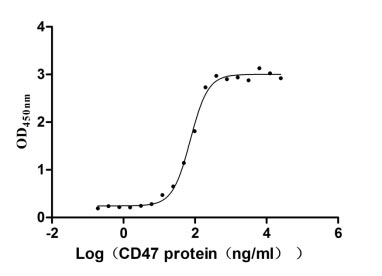
Recombinant Human Leukocyte surface antigen CD47 (CD47), partial (Active)
Express system: Mammalian cell
Species: Homo sapiens (Human)
-
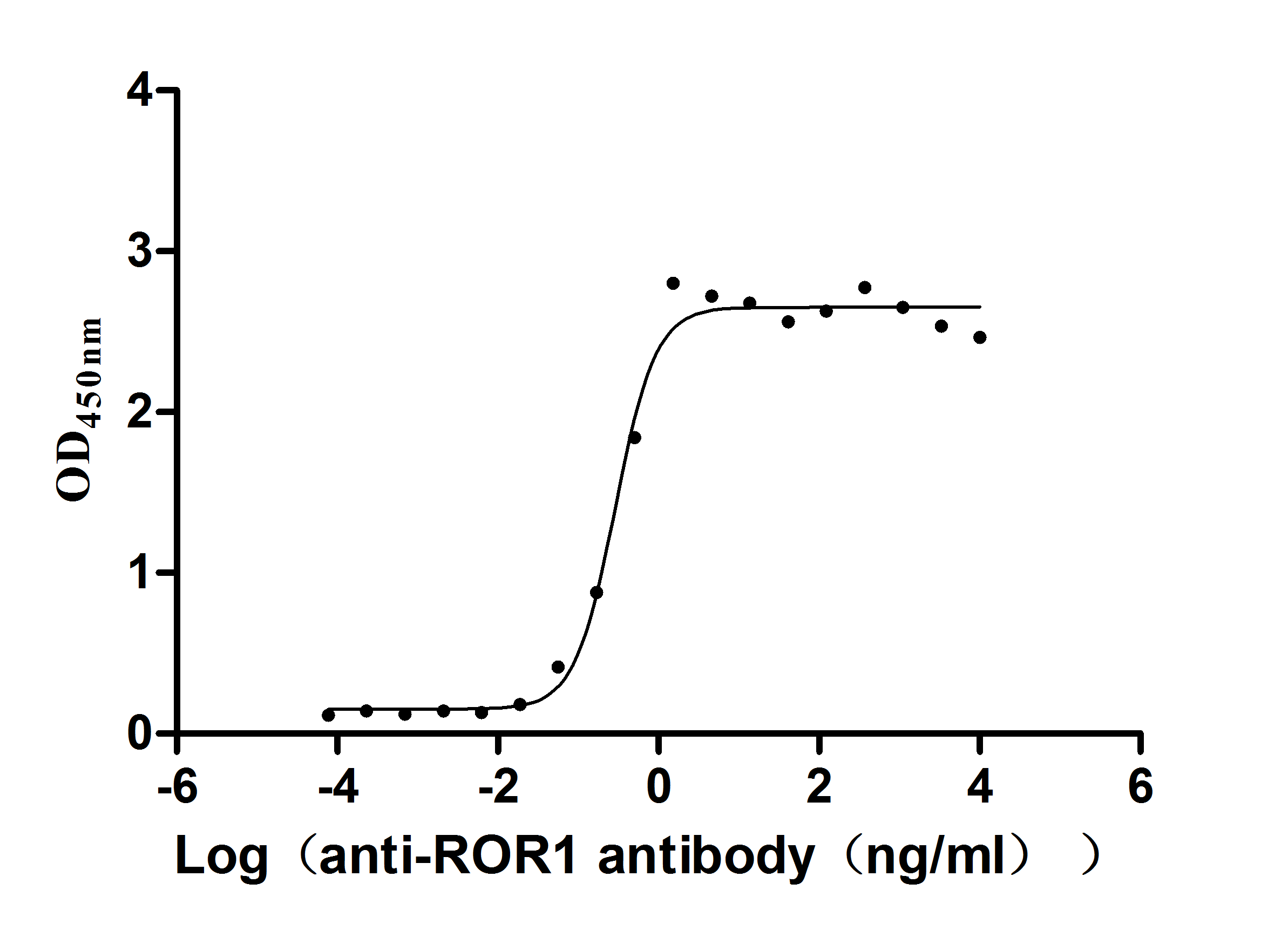
Express system: Mammalian cell
Species: Homo sapiens (Human)
-
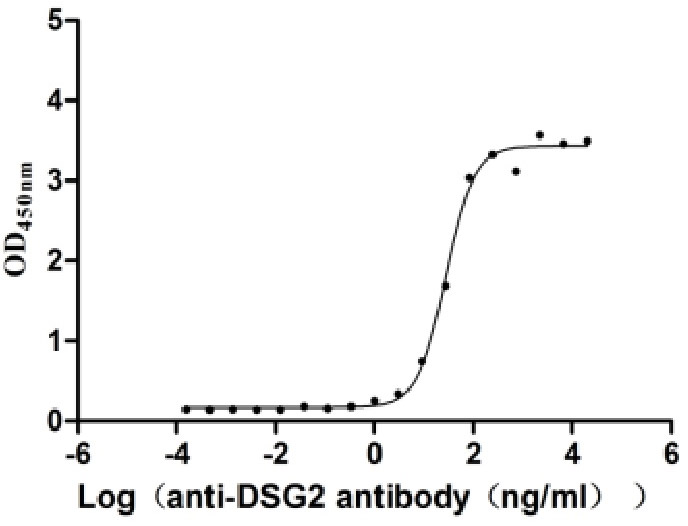
Recombinant Human Desmoglein-2 (DSG2), partial (Active)
Express system: Mammalian cell
Species: Homo sapiens (Human)
-
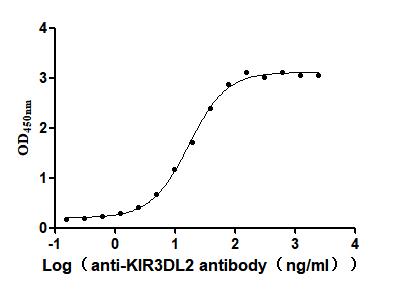
Recombinant Human Killer cell immunoglobulin-like receptor 3DL2 (KIR3DL2), partial (Active)
Express system: Mammalian cell
Species: Homo sapiens (Human)
-
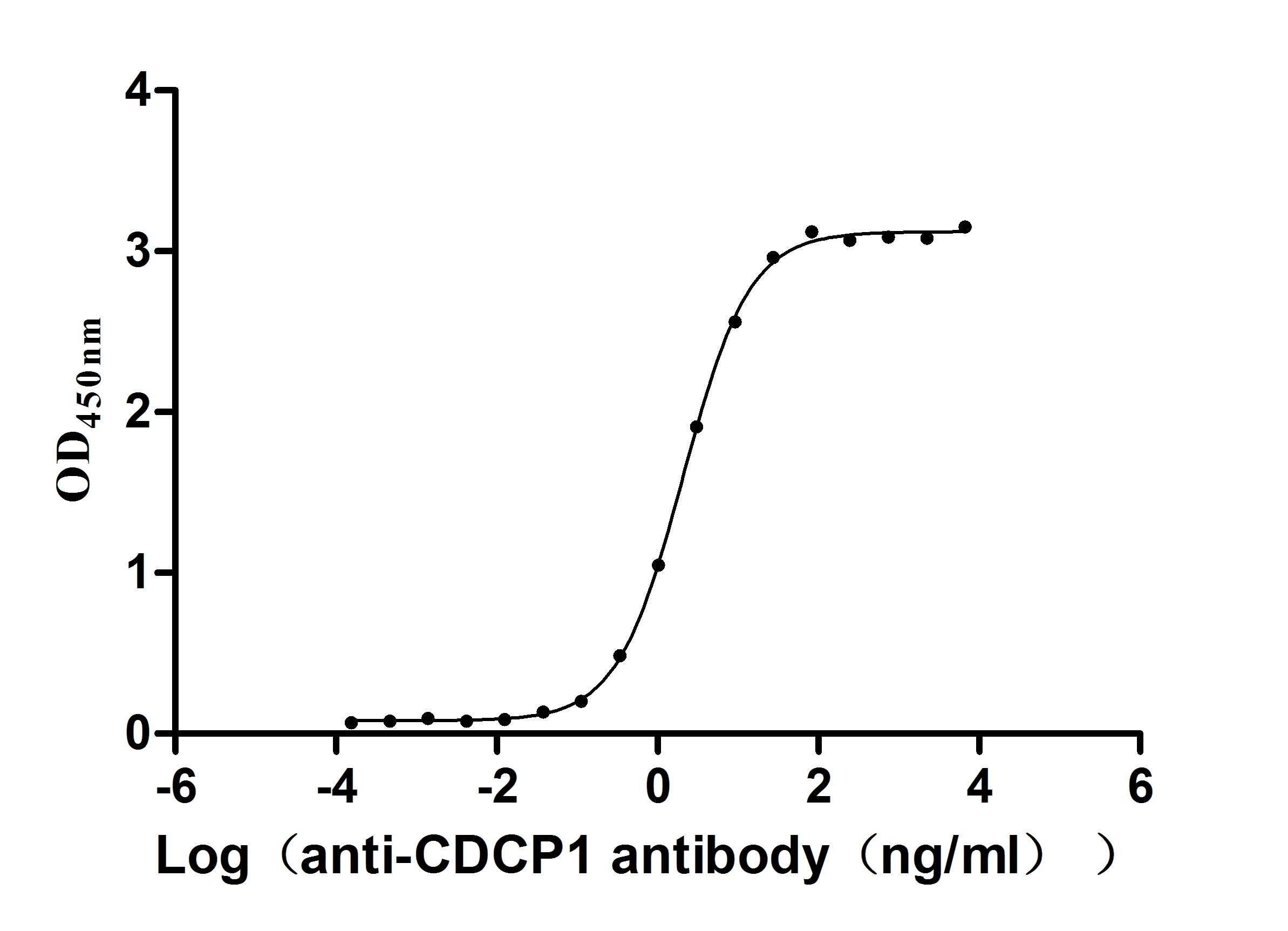
Recombinant Macaca fascicularis CUB domain containing protein 1 (CDCP1), partial (Active)
Express system: Mammalian cell
Species: Macaca fascicularis (Crab-eating macaque) (Cynomolgus monkey)
-
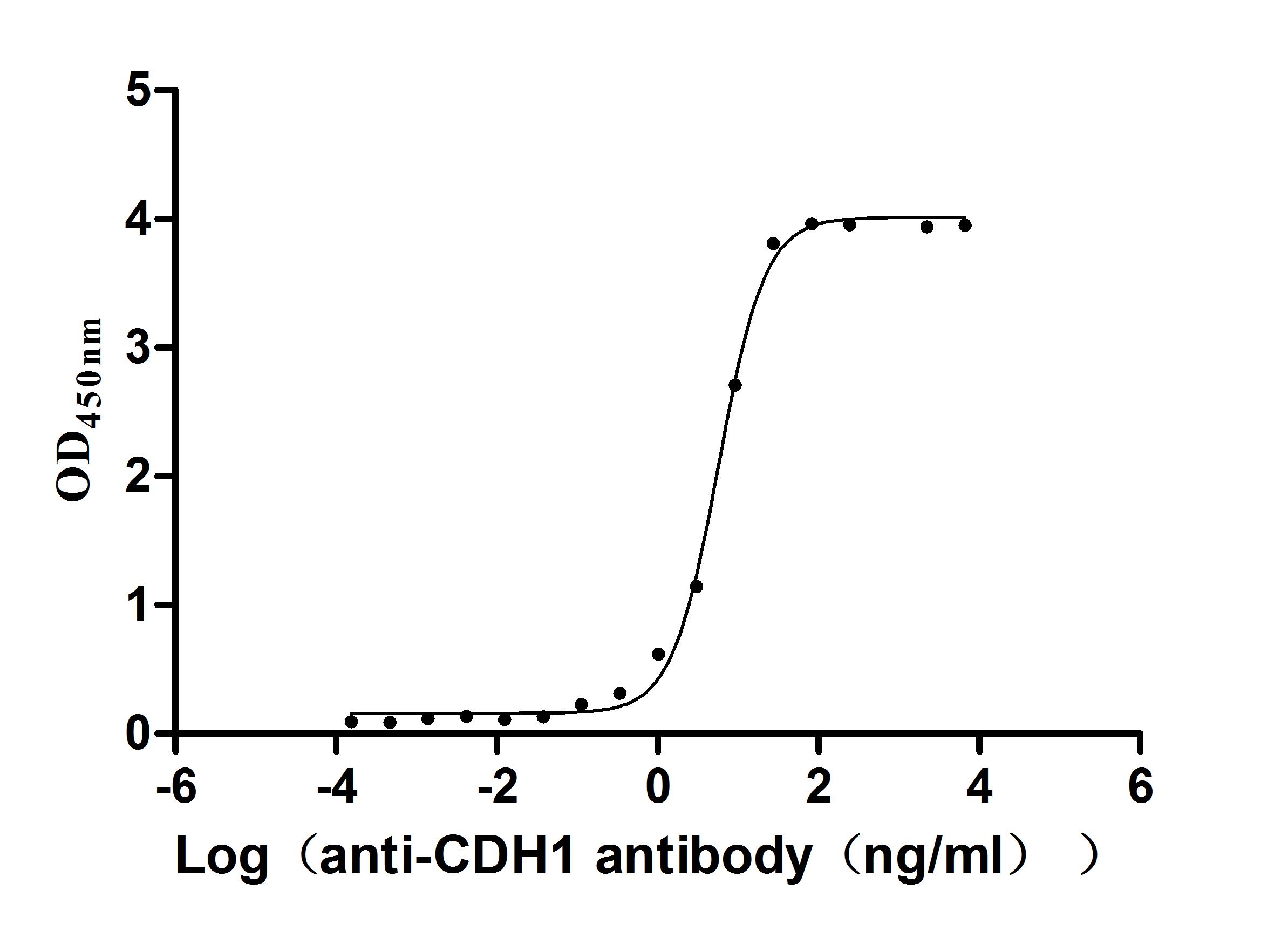
Recombinant Human Cadherin-1(CDH1),partial (Active)
Express system: Mammalian cell
Species: Homo sapiens (Human)
-
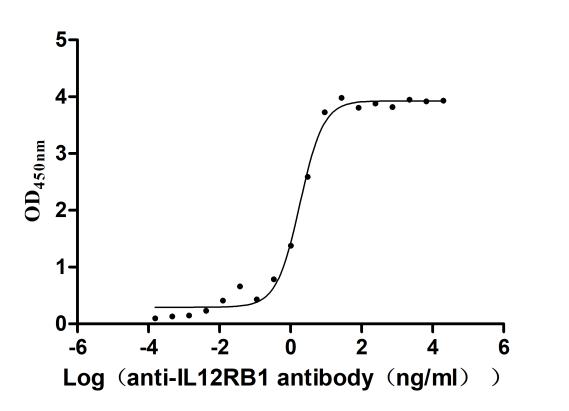
Recombinant Human Interleukin-12 receptor subunit beta-1(IL12RB1),partial (Active)
Express system: Mammalian cell
Species: Homo sapiens (Human)
-
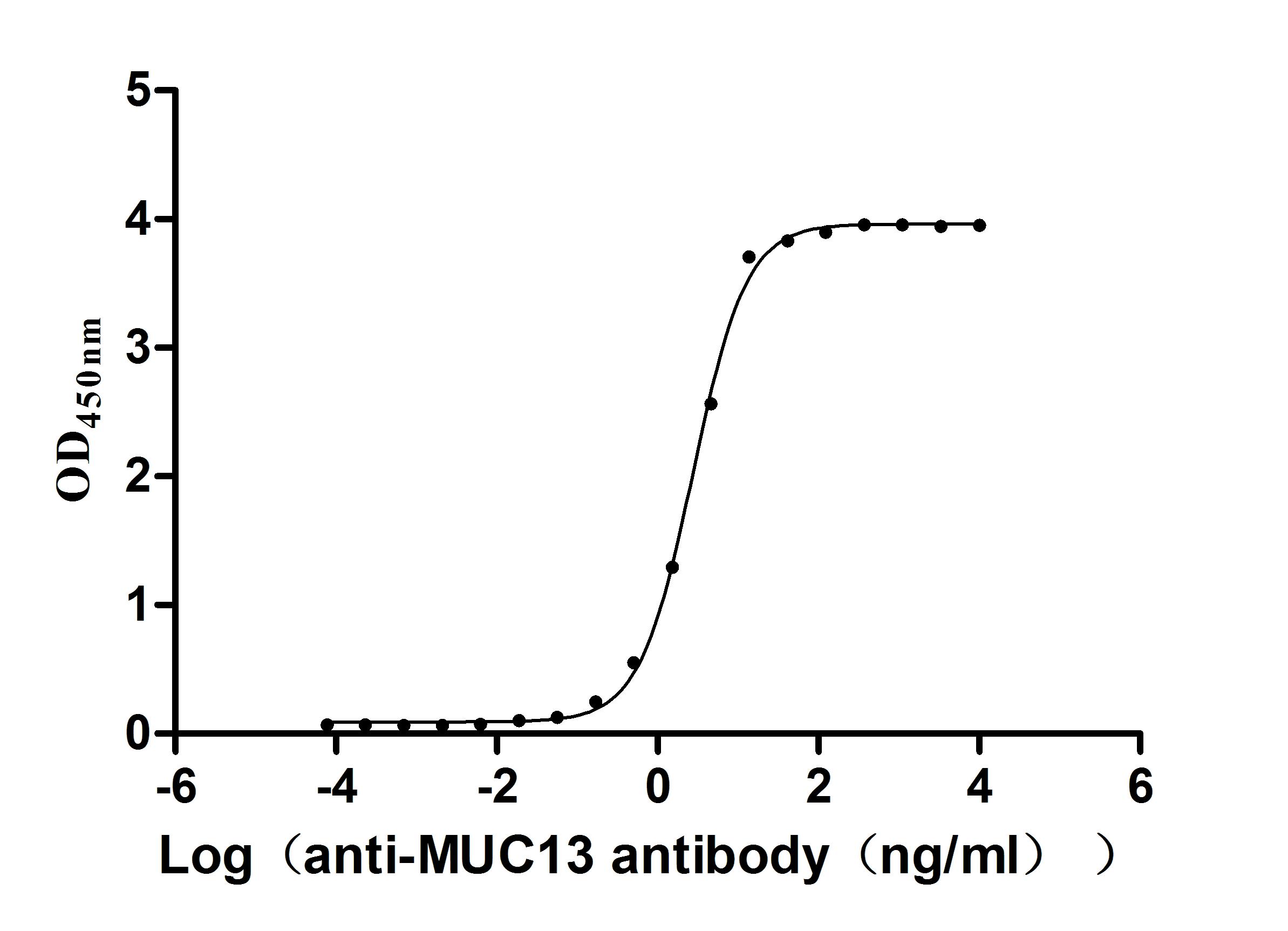
Recombinant Human Mucin-13(MUC13),partial (Active)
Express system: yeast
Species: Homo sapiens (Human)