Recombinant Mouse C-X-C motif chemokine 11 (Cxcl11)
-
中文名稱:Recombinant Mouse C-X-C motif chemokine 11(Cxcl11)
-
貨號(hào):CSB-YP884900MO
-
規(guī)格:
-
來源:Yeast
-
其他:
-
中文名稱:Recombinant Mouse C-X-C motif chemokine 11(Cxcl11)
-
貨號(hào):CSB-EP884900MO
-
規(guī)格:
-
來源:E.coli
-
其他:
-
中文名稱:Recombinant Mouse C-X-C motif chemokine 11(Cxcl11)
-
貨號(hào):CSB-EP884900MO-B
-
規(guī)格:
-
來源:E.coli
-
共軛:Avi-tag Biotinylated
E. coli biotin ligase (BirA) is highly specific in covalently attaching biotin to the 15 amino acid AviTag peptide. This recombinant protein was biotinylated in vivo by AviTag-BirA technology, which method is BriA catalyzes amide linkage between the biotin and the specific lysine of the AviTag.
-
其他:
-
中文名稱:Recombinant Mouse C-X-C motif chemokine 11(Cxcl11)
-
貨號(hào):CSB-BP884900MO
-
規(guī)格:
-
來源:Baculovirus
-
其他:
-
中文名稱:Recombinant Mouse C-X-C motif chemokine 11(Cxcl11)
-
貨號(hào):CSB-MP884900MO
-
規(guī)格:
-
來源:Mammalian cell
-
其他:
產(chǎn)品詳情
-
純度:>85% (SDS-PAGE)
-
基因名:
-
Uniprot No.:
-
別名:Cxcl11; Scyb11C-X-C motif chemokine 11; Interferon-inducible T-cell alpha chemoattractant; I-TAC; Small-inducible cytokine B11
-
種屬:Mus musculus (Mouse)
-
蛋白長(zhǎng)度:Full Length of Mature Protein
-
表達(dá)區(qū)域:22-100
-
氨基酸序列FLMFKQGRC LCIGPGMKAV KMAEIEKASV IYPSNGCDKV EVIVTMKAHK RQRCLDPRSK QARLIMQAIE KKNFLRRQNM
-
蛋白標(biāo)簽:Tag?type?will?be?determined?during?the?manufacturing?process.
The tag type will be determined during production process. If you have specified tag type, please tell us and we will develop the specified tag preferentially. -
產(chǎn)品提供形式:Lyophilized powder
Note: We will preferentially ship the format that we have in stock, however, if you have any special requirement for the format, please remark your requirement when placing the order, we will prepare according to your demand. -
復(fù)溶:We recommend that this vial be briefly centrifuged prior to opening to bring the contents to the bottom. Please reconstitute protein in deionized sterile water to a concentration of 0.1-1.0 mg/mL.We recommend to add 5-50% of glycerol (final concentration) and aliquot for long-term storage at -20℃/-80℃. Our default final concentration of glycerol is 50%. Customers could use it as reference.
-
儲(chǔ)存條件:Store at -20°C/-80°C upon receipt, aliquoting is necessary for mutiple use. Avoid repeated freeze-thaw cycles.
-
保質(zhì)期:The shelf life is related to many factors, storage state, buffer ingredients, storage temperature and the stability of the protein itself.
Generally, the shelf life of liquid form is 6 months at -20°C/-80°C. The shelf life of lyophilized form is 12 months at -20°C/-80°C. -
貨期:Delivery time may differ from different purchasing way or location, please kindly consult your local distributors for specific delivery time.Note: All of our proteins are default shipped with normal blue ice packs, if you request to ship with dry ice, please communicate with us in advance and extra fees will be charged.
-
注意事項(xiàng):Repeated freezing and thawing is not recommended. Store working aliquots at 4°C for up to one week.
-
Datasheet :Please contact us to get it.
產(chǎn)品評(píng)價(jià)

相關(guān)產(chǎn)品
靶點(diǎn)詳情
-
功能:Chemotactic for interleukin-activated T-cells but not unstimulated T-cells, neutrophils or monocytes. Induces calcium release in activated T-cells. Binds to CXCR3. May play an important role in CNS diseases which involve T-cell recruitment. May play a role in skin immune responses.
-
基因功能參考文獻(xiàn):
- although the expression of CXCL9 and CXCL11 are increased after spinal nerve ligation, they may not contribute to the maintenance of neuropathic pain. PMID: 29712506
- These findings functionally integrate K17, hnRNP K, and gene expression along with RSK and CXCR3 signaling in a keratinocyte-autonomous axis and provide a potential basis for their implication in tumorigenesis PMID: 25713416
- very low doses of CXCL11 rapidly suppress signs of EAE in C57BL/6 mice lacking functional CXCL11. PMID: 24713654
- Data indicate that epidermis-derived I-TAC (Cxcl11) triggers a sustained Th2-response that determines the outcome of a complex immunological process. PMID: 24398292
- Analysis of genes within the Listr1 locus identified a frameshift mutation in the Cxcl11 gene of the C57BL/6 strain that prevents production of the mature chemokine CXCL11. PMID: 24566892
- Cxcl10 and cxcl11 are new hair-specific transcriptional targets of ectodysplasin, and they indicates involvement of chemokines in hair development. PMID: 22277947
- the CXCL11-heparin interaction has two different affinities for glycosaminoglycans PMID: 20363748
- I-TAC can have an important role during virus infections and vaccinia virus has evolved ways to avoid inducing I-TAC expression. PMID: 15030574
- I-TAC acts as an antagonist for CCR5. I-TAC inhibited the binding of macrophage-inflammatory protein-1alpha (MIP-1alpha)/CC chemokine ligand 3 (CCL3) to cells transfected with CCR5 and to monocytes. PMID: 15178708
- Acute ethanol intoxication impairs lung expression of Cxcl11, interfering with pulmonary response to bacterial challenge. PMID: 17889309
- homologous to human T cell attracting chemokine CXC receptor ligand 11; involved in calcium mobilization and chemotaxis PMID: 11500837
顯示更多
收起更多
-
亞細(xì)胞定位:Secreted.
-
蛋白家族:Intercrine alpha (chemokine CxC) family
-
數(shù)據(jù)庫(kù)鏈接:
Most popular with customers
-
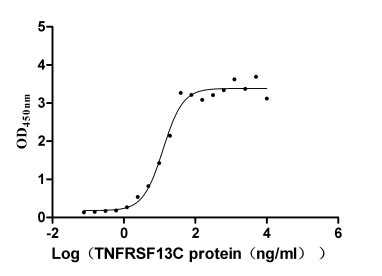
Express system: Mammalian cell
Species: Homo sapiens (Human)
-
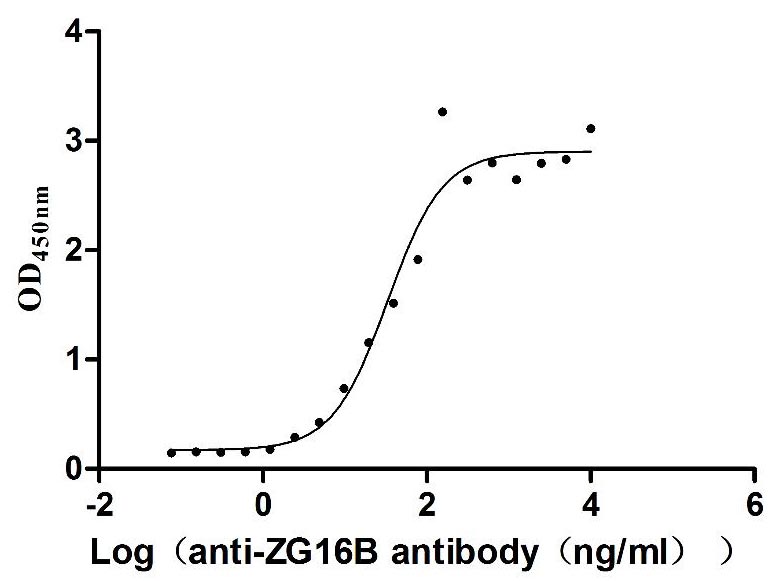
Recombinant Human Pancreatic adenocarcinoma up-regulated factor (ZG16B) (Active)
Express system: Mammalian cell
Species: Homo sapiens (Human)
-
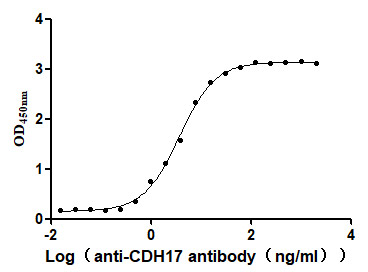
Recombinant Human Cadherin-17 (CDH17), partial (Active)
Express system: Mammalian cell
Species: Homo sapiens (Human)
-
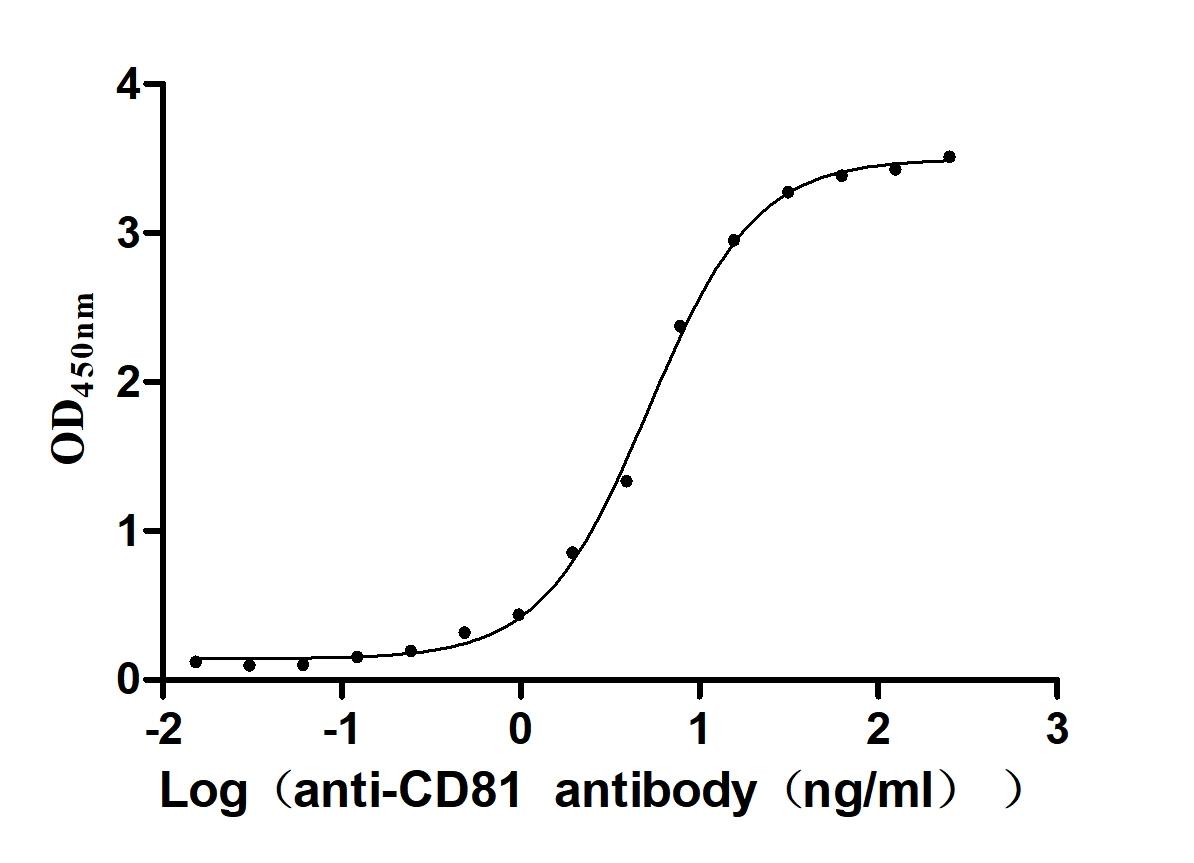
Recombinant Human CD81 antigen (CD81), partial (Active)
Express system: Mammalian cell
Species: Homo sapiens (Human)
-
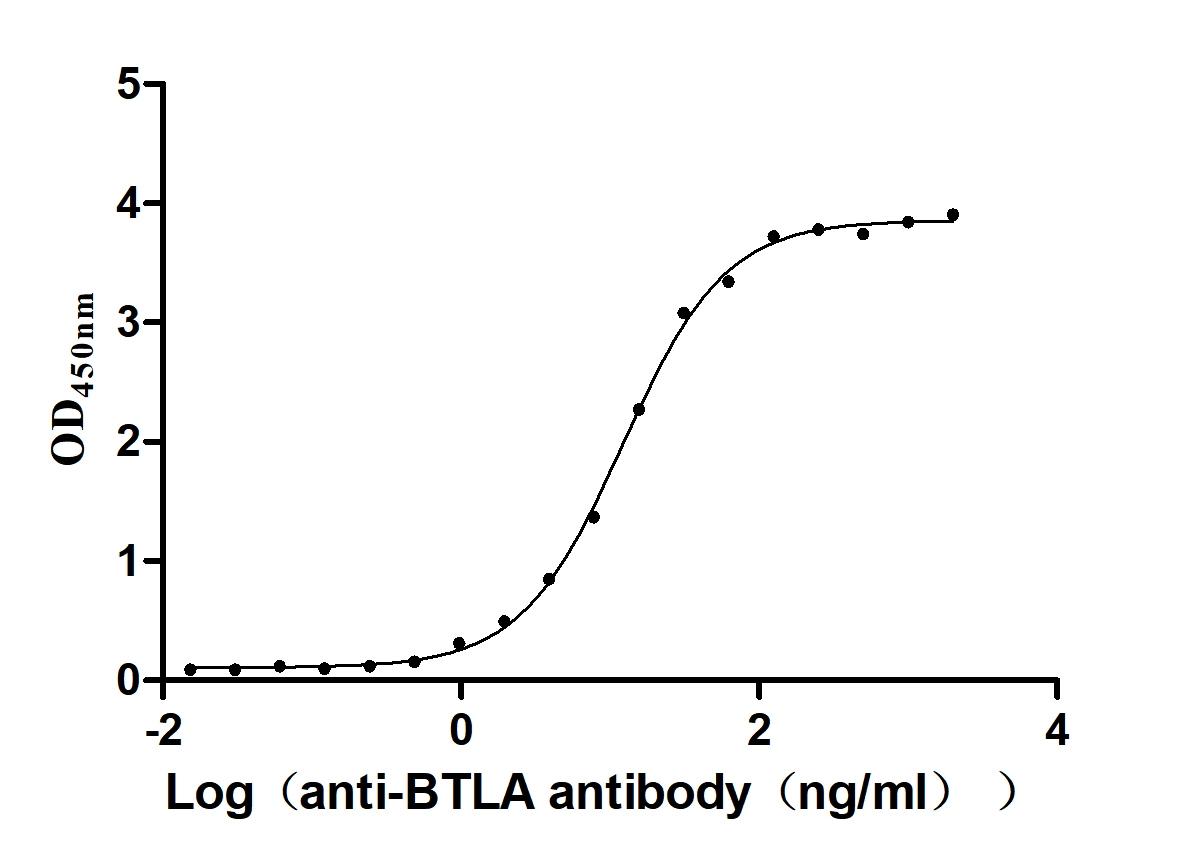
Recombinant Human B- and T-lymphocyte attenuator(BTLA), partial (Active)
Express system: Mammalian cell
Species: Homo sapiens (Human)
-
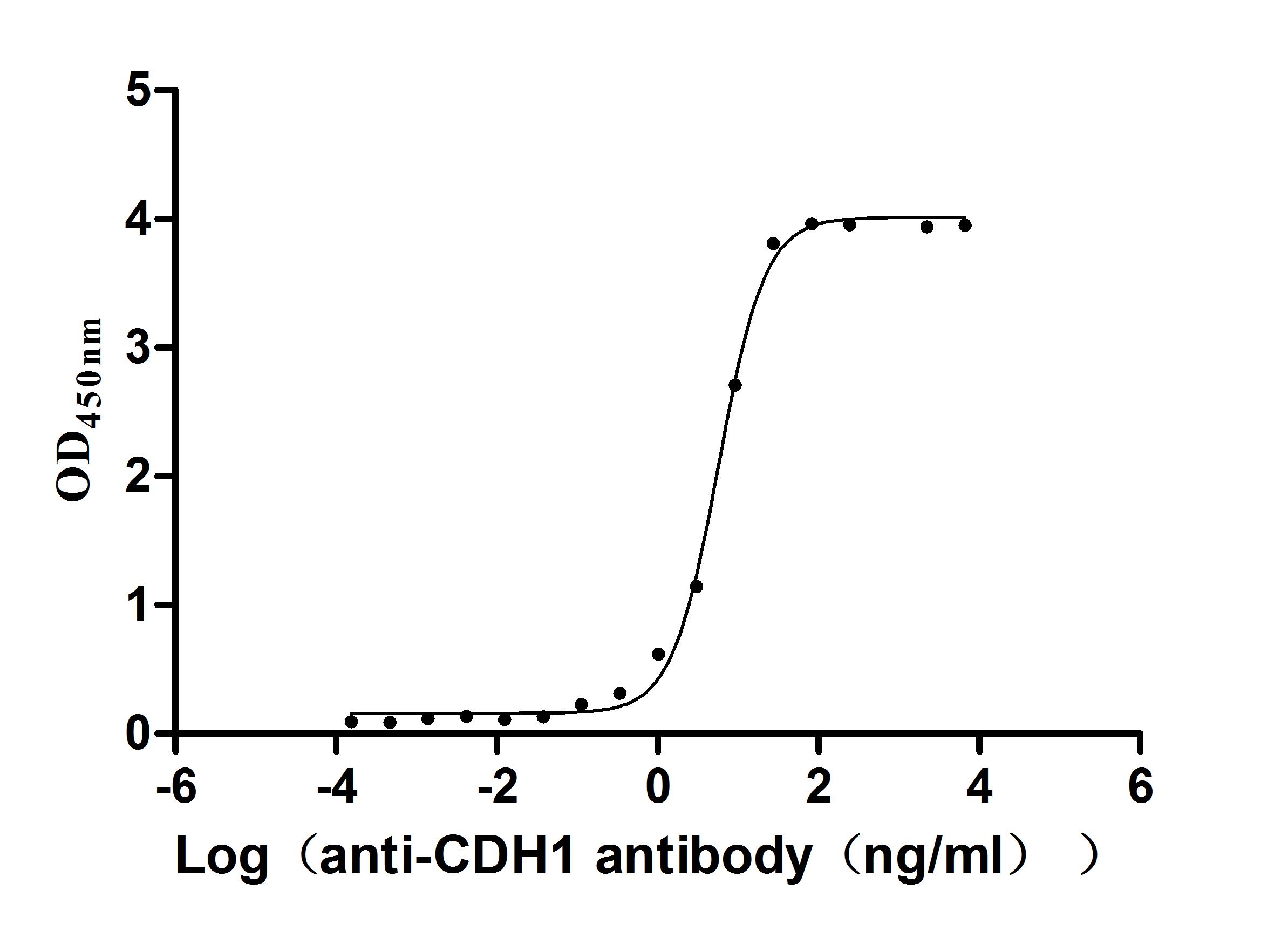
Recombinant Human Cadherin-1(CDH1),partial (Active)
Express system: Mammalian cell
Species: Homo sapiens (Human)