Recombinant Human Transcription factor SOX-7 (SOX7)
-
中文名稱:人SOX7重組蛋白
-
貨號(hào):CSB-YP866278HU
-
規(guī)格:
-
來(lái)源:Yeast
-
其他:
-
中文名稱:人SOX7重組蛋白
-
貨號(hào):CSB-EP866278HU
-
規(guī)格:
-
來(lái)源:E.coli
-
其他:
-
中文名稱:人SOX7重組蛋白
-
貨號(hào):CSB-EP866278HU-B
-
規(guī)格:
-
來(lái)源:E.coli
-
共軛:Avi-tag Biotinylated
E. coli biotin ligase (BirA) is highly specific in covalently attaching biotin to the 15 amino acid AviTag peptide. This recombinant protein was biotinylated in vivo by AviTag-BirA technology, which method is BriA catalyzes amide linkage between the biotin and the specific lysine of the AviTag.
-
其他:
-
中文名稱:人SOX7重組蛋白
-
貨號(hào):CSB-BP866278HU
-
規(guī)格:
-
來(lái)源:Baculovirus
-
其他:
-
中文名稱:人SOX7重組蛋白
-
貨號(hào):CSB-MP866278HU
-
規(guī)格:
-
來(lái)源:Mammalian cell
-
其他:
產(chǎn)品詳情
-
純度:>85% (SDS-PAGE)
-
基因名:SOX7
-
Uniprot No.:
-
別名:MGC10895; SOX 7; SOX 7 transcription factor; sox7; SOX7 transcription factor; SOX7_HUMAN; SRY (sex determining region Y) box 7; SRY box 7; SRY sex determining region Y box 7; Transcription factor SOX 7; Transcription factor Sox-7; Transcription factor SOX7
-
種屬:Homo sapiens (Human)
-
蛋白長(zhǎng)度:full length protein
-
表達(dá)區(qū)域:1-388
-
氨基酸序列MASLLGAYPW PEGLECPALD AELSDGQSPP AVPRPPGDKG SESRIRRPMN AFMVWAKDER KRLAVQNPDL HNAELSKMLG KSWKALTLSQ KRPYVDEAER LRLQHMQDYP NYKYRPRRKK QAKRLCKRVD PGFLLSSLSR DQNALPEKRS GSRGALGEKE DRGEYSPGTA LPSLRGCYHE GPAGGGGGGT PSSVDTYPYG LPTPPEMSPL DVLEPEQTFF SSPCQEEHGH PRRIPHLPGH PYSPEYAPSP LHCSHPLGSL ALGQSPGVSM MSPVPGCPPS PAYYSPATYH PLHSNLQAHL GQLSPPPEHP GFDALDQLSQ VELLGDMDRN EFDQYLNTPG HPDSATGAMA LSGHVPVSQV TPTGPTETSL ISVLADATAT YYNSYSVS
-
蛋白標(biāo)簽:Tag?type?will?be?determined?during?the?manufacturing?process.
The tag type will be determined during production process. If you have specified tag type, please tell us and we will develop the specified tag preferentially. -
產(chǎn)品提供形式:Lyophilized powder
Note: We will preferentially ship the format that we have in stock, however, if you have any special requirement for the format, please remark your requirement when placing the order, we will prepare according to your demand. -
復(fù)溶:We recommend that this vial be briefly centrifuged prior to opening to bring the contents to the bottom. Please reconstitute protein in deionized sterile water to a concentration of 0.1-1.0 mg/mL.We recommend to add 5-50% of glycerol (final concentration) and aliquot for long-term storage at -20℃/-80℃. Our default final concentration of glycerol is 50%. Customers could use it as reference.
-
儲(chǔ)存條件:Store at -20°C/-80°C upon receipt, aliquoting is necessary for mutiple use. Avoid repeated freeze-thaw cycles.
-
保質(zhì)期:The shelf life is related to many factors, storage state, buffer ingredients, storage temperature and the stability of the protein itself.
Generally, the shelf life of liquid form is 6 months at -20°C/-80°C. The shelf life of lyophilized form is 12 months at -20°C/-80°C. -
貨期:Delivery time may differ from different purchasing way or location, please kindly consult your local distributors for specific delivery time.Note: All of our proteins are default shipped with normal blue ice packs, if you request to ship with dry ice, please communicate with us in advance and extra fees will be charged.
-
注意事項(xiàng):Repeated freezing and thawing is not recommended. Store working aliquots at 4°C for up to one week.
-
Datasheet :Please contact us to get it.
產(chǎn)品評(píng)價(jià)

相關(guān)產(chǎn)品
靶點(diǎn)詳情
-
功能:Binds to and activates the CDH5 promoter, hence plays a role in the transcriptional regulation of genes expressed in the hemogenic endothelium and blocks further differentiation into blood precursors. May be required for the survival of both hematopoietic and endothelial precursors during specification. Competes with GATA4 for binding and activation of the FGF3 promoter. Represses Wnt/beta-catenin-stimulated transcription, probably by targeting CTNNB1 to proteasomal degradation. Binds the DNA sequence 5'-AACAAT-3'.
-
基因功能參考文獻(xiàn):
- These results provide the first clue that miR-24-3p could play a role as an oncomiR in Lung cancer by regulating SOX7. PMID: 29231262
- we have identified an array of potential target genes of SOX7 and examined four of them for their roles in SOX7-mediated tumor suppression. We found that SOX7 could both activate and repress its target genes; and achieve its antiproliferative function through regulating multiple genes simultaneously. PMID: 29757932
- SOX7 transcription factor mediates PDGF-BB-induced IL-33 expression. PMID: 27150562
- Mechanistically, SOX7 was confirmed to be the downstream target of miR-616 in NSCLC cells. Forced expression of SOX7 prevented the promoting effects of miR-616 overexpression on the proliferation and metastasis of NSCLC cells, while knockdown of SOX7 reversed the inhibitory effects of miR-616 knockdown on the proliferation and metastasis of NSCLC cells. PMID: 28765960
- miR-9 was up-regulated and SOX7 was down-regulated in human non-small-cell lung cancer tissues and cell lines. PMID: 28266181
- The results indicate that SOX7 may inhibit the progression of liver carcinoma and that SOX7 downregulation may accurately predict poor prognosis in liver carcinoma patients. PMID: 28586005
- Consistent with bioinformatics predictions, SOX7 was correlated positively with AXIN2 and negatively with beta-catenin, suggesting that SOX7 and AXIN2 might play important roles as co-regulators through the Wnt-beta-catenin pathway in the breast tissue to affect the carcinogenesis process. PMID: 27188720
- SOX7 inhibits oncogenic beta-catenin-mediated transcription by disrupting the beta-catenin/BCL9 interaction. PMID: 29271667
- Overexpression of miR-935 inhibited SOX7 expression. PMID: 27697092
- The results suggest that miR-664 functions as an oncogene miRNA and has an important role in promoting human osteosarcoma cell invasion and migration by suppressing SOX7 expression. PMID: 26515813
- miR-595 played a critical role in carcinogenesis by suppression of SOX7. PMID: 27133048
- Aberrant methylation of the promoter regions of the SOX7 gene in patients with acute myeloid leukemias. PMID: 27459612
- miR-935 contributed to cell proliferation of gastric cancer through targeting SOX7. PMID: 27044823
- the HMG-box is a key domain of SOX7 for negatively regulating the Wnt/beta-catenin signaling pathway when functioning as a tumor suppressor in a glioma. PMID: 26944317
- The results provided unequivocal evidence for a novel tumor suppressor role of SOX7 in acute myeloid leukemia PMID: 25940713
- SOX7 plays an important inhibitory role in hepatocarcinogenesis, and might be a novel target for hepatocellular carcinoma therapy. PMID: 24816720
- Ectopic expression of miR-492 led to downregulation of SOX7 protein. PMID: 25407488
- Low SOX7 expression is associated with hepatocellular carcinoma. PMID: 25073511
- The expression of SOX7 correlates with tumor progression as a tumor suppressor, possibly through the Wnt/beta-catenin signaling pathway in ovarian cancers, suggesting that SOX7 may be a promising prognostic marker. PMID: 25297608
- Decreased expression of Sox7 correlates with the upregulation of the Wnt/beta-catenin signaling pathway and the poor survival of gastric cancer patients. PMID: 24788044
- miR-184 represents a potential onco-miR and plays an important role in HCC progression by suppressing SOX7 expression PMID: 24558429
- SOX7 acts as a tumor suppressor in breast cancer. PMID: 24012678
- SOX7 is a novel tumor suppressor gene silenced in the majority of NSCLC samples. PMID: 23557216
- Sox7 is a negative regulator of Wnt/beta-catenin signaling pathway through impeding the transcriptional machinery of beta-catenin/TCF/LEF-1 transcriptional complex, and the loss of expression may be involved in the pathogenesis of endometrial cancer. PMID: 23295859
- Association of SOX7 protein expression with clinical outcomes was evaluated. SOX7 mRNA expression was significantly down-regulated in lung adenocarcinoma compared with matched adjacent normal tissues. PMID: 22777918
- The methylation of the CpG island of the SOX7 gene can be used as a predictive factor for the development and prognosis of myelodysplastic syndrome patients. PMID: 22706399
- Data show that SOX7 is upregulated by aspirin and is involved in aspirin-mediated growth inhibition of human colorectal cancer SW480 cells. PMID: 22171135
- stable endoderm progenitors can be established from human ES cells by constitutive expression of SOX7 producing extraembryonic endoderm progenitors PMID: 18682240
- Sox7 is a tumor suppressor that functions as an independent checkpoint for beta-catenin transcriptional activity. Inactivation of Sox7 could promote the development of a majority of colorectal tumors and approximately half of prostate tumors. PMID: 18819930
- stable expression induces a stable expandable extra embryonic endoderm phenotype in hESCs PMID: 18940723
- SOX7, down-regulated in colorectal cancer, induces apoptosis and inhibits proliferation of colorectal cancer cells. PMID: 19108950
- gene expression, chromosome mapping, transactivation, interference with Wnt signaling PMID: 11691915
顯示更多
收起更多
-
亞細(xì)胞定位:Nucleus. Cytoplasm.
-
組織特異性:Widely expressed in adult and fetal tissues. Present both in mesenchymal and epithelial cells in some adult tissues, including colon. Tends to be down-regulated in prostate adenocarcinomas and colorectal tumors due to promoter hypermethylation.
-
數(shù)據(jù)庫(kù)鏈接:
Most popular with customers
-
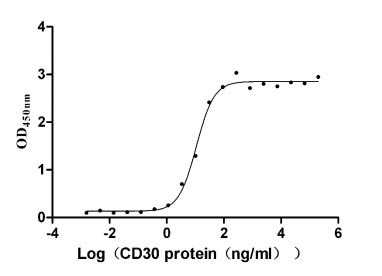
Recombinant Human Tumor necrosis factor ligand superfamily member 8 (TNFSF8), partial (Active)
Express system: Mammalian cell
Species: Homo sapiens (Human)
-
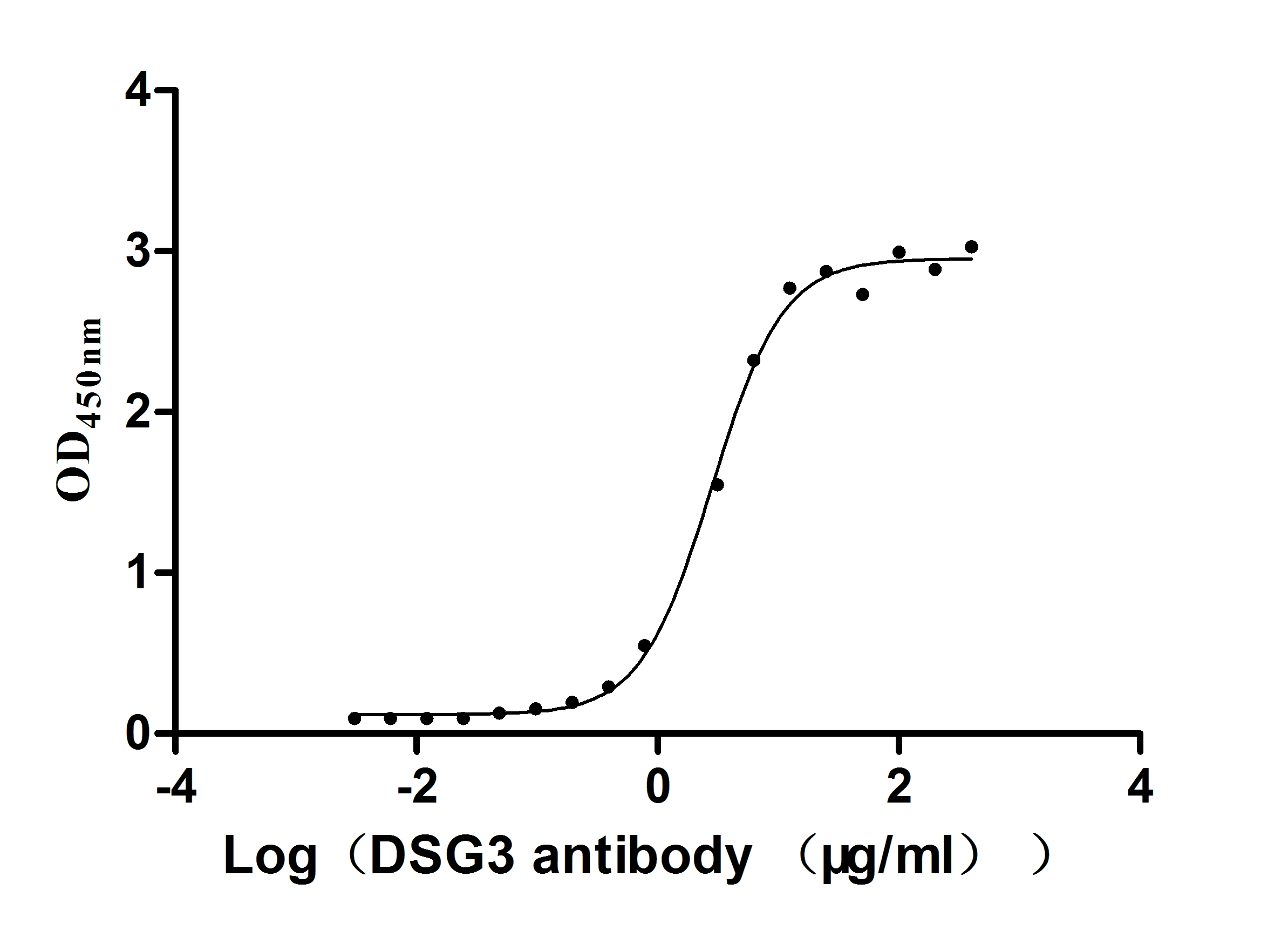
Recombinant Mouse Desmoglein-3 (Dsg3), partial (Active)
Express system: Mammalian cell
Species: Mus musculus (Mouse)
-
-AC1.jpg)
Recombinant Human HLA class II histocompatibility antigen gamma chain (CD74), partial (Active)
Express system: Mammalian cell
Species: Homo sapiens (Human)
-
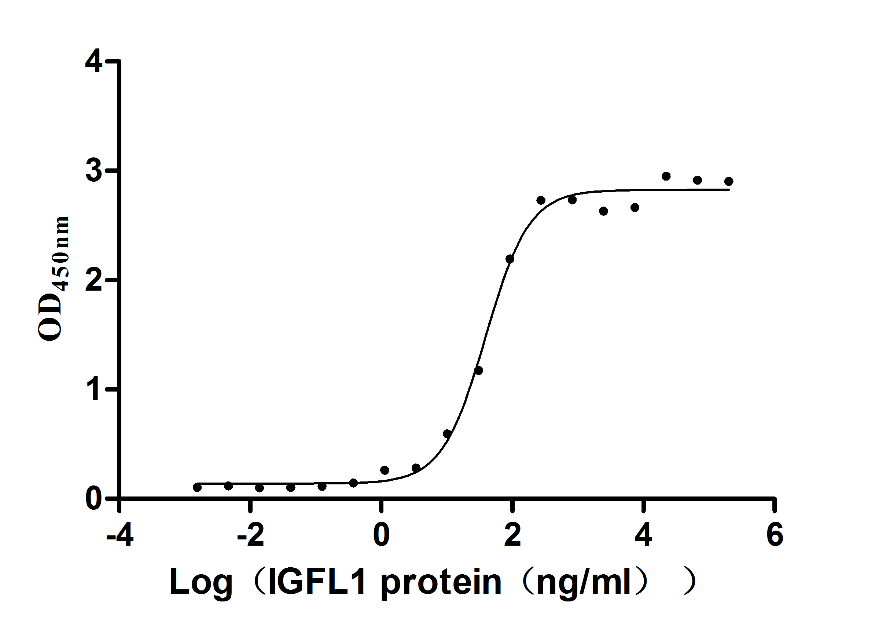
Recombinant Human IGF-like family receptor 1 (IGFLR1), partial (Active)
Express system: Mammalian cell
Species: Homo sapiens (Human)
-
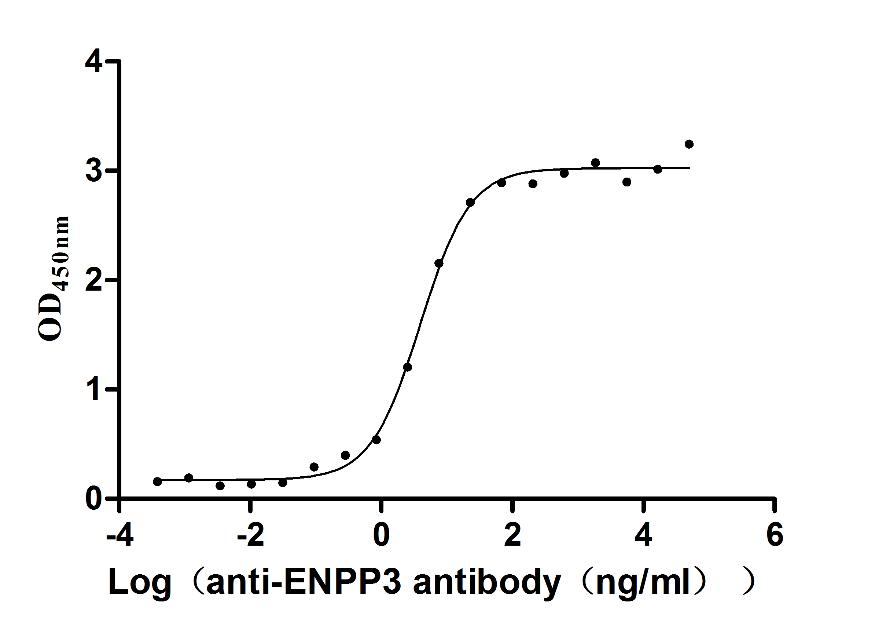
Express system: Mammalian cell
Species: Macaca fascicularis (Crab-eating macaque) (Cynomolgus monkey)
-
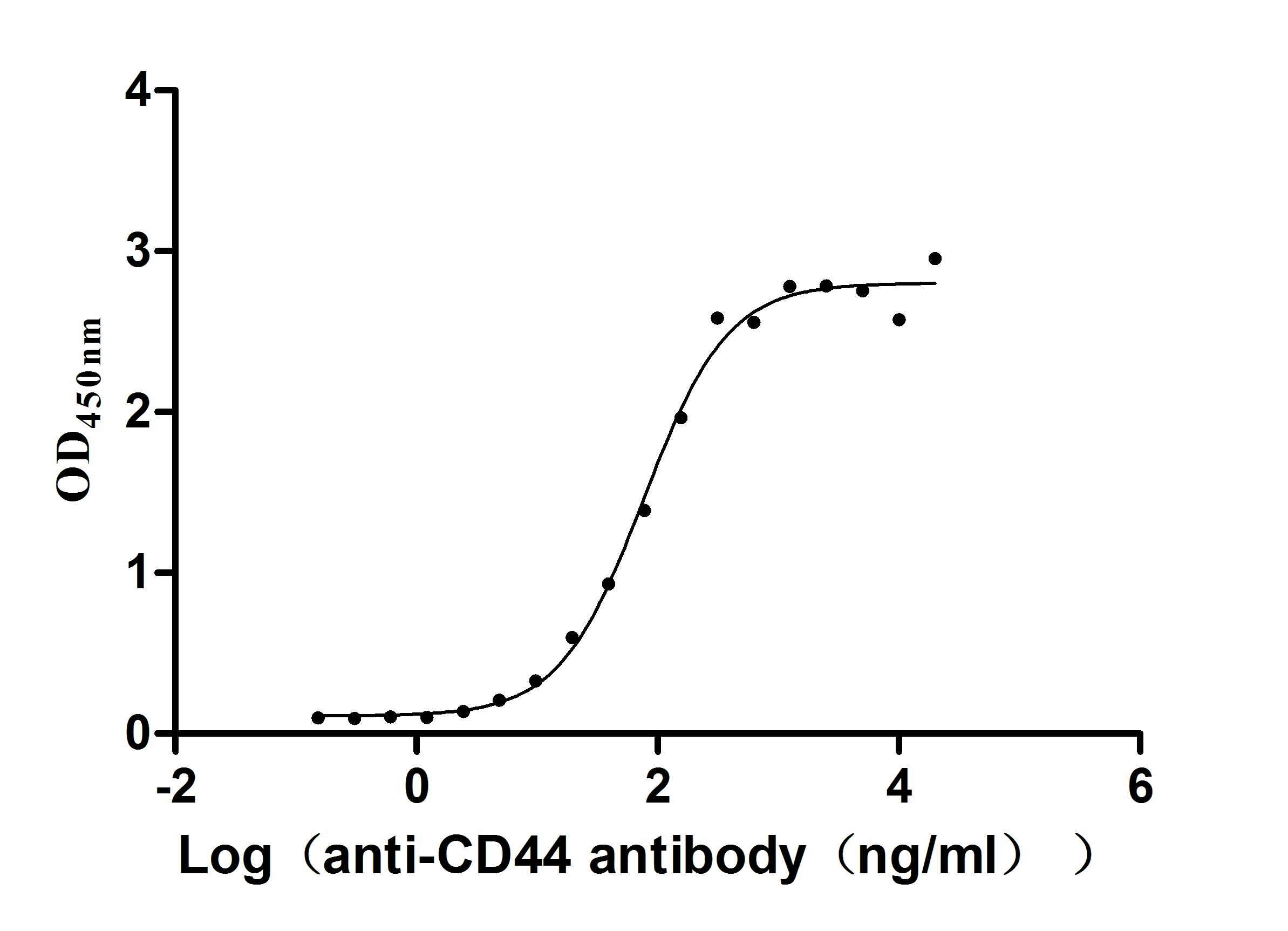
Recombinant Macaca fascicularis CD44 antigen (CD44), partial (Active)
Express system: Mammalian cell
Species: Macaca fascicularis (Crab-eating macaque) (Cynomolgus monkey)
-
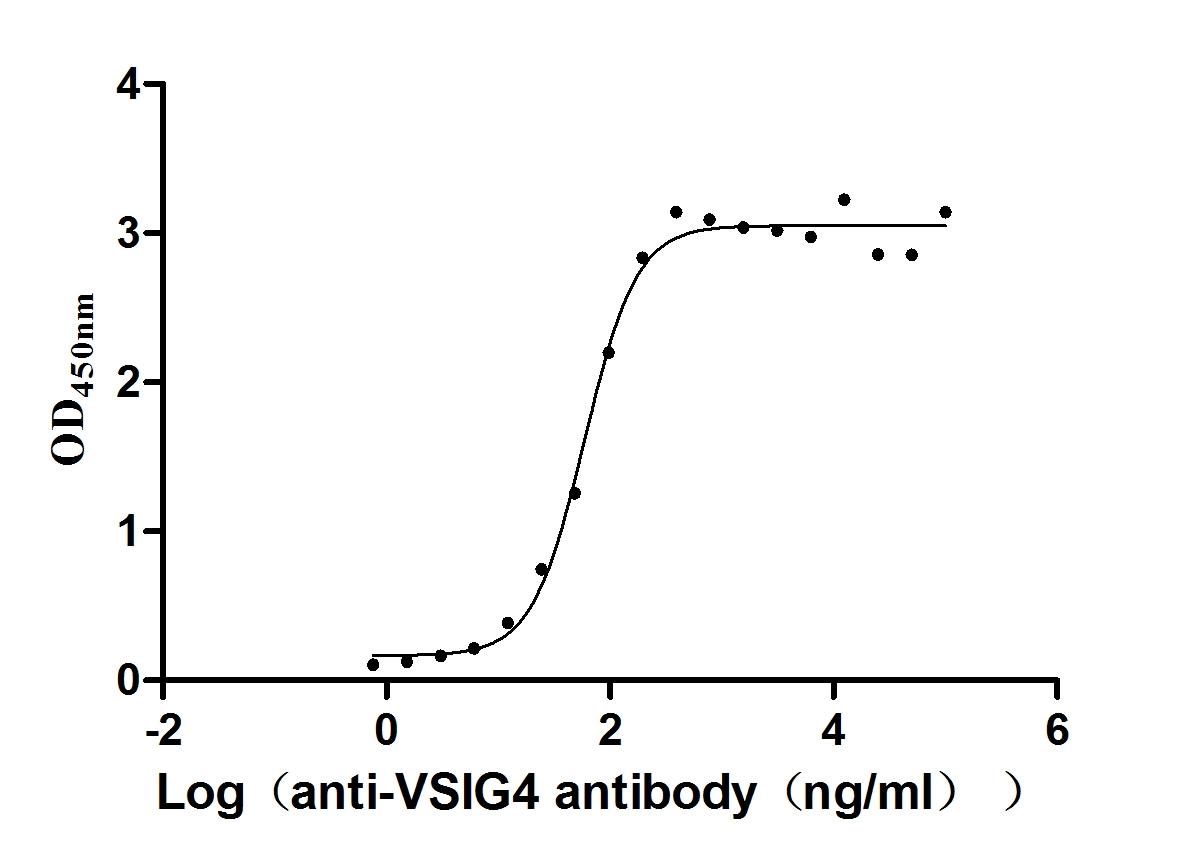
Recombinant Human V-set and immunoglobulin domain-containing protein 4 (VSIG4), partial (Active)
Express system: Mammalian cell
Species: Homo sapiens (Human)
-
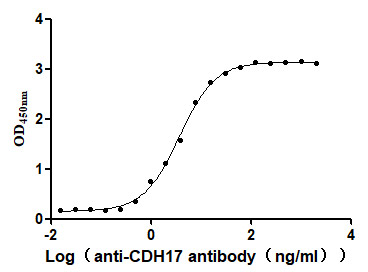
Recombinant Human Cadherin-17 (CDH17), partial (Active)
Express system: Mammalian cell
Species: Homo sapiens (Human)