
Recombinant Human Sprouty-related, EVH1 domain-containing protein 1 (SPRED1)
In Stock-
中文名稱(chēng):人SPRED1重組蛋白
-
品名簡(jiǎn)稱(chēng):Recombinant Human SPRED1 protein
-
貨號(hào):CSB-EP773600HU
-
說(shuō)明書(shū):
-
規(guī)格:¥1836
-
圖片:
-
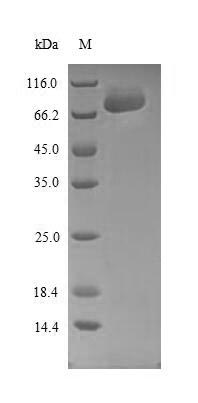 (Tris-Glycine gel) Discontinuous SDS-PAGE (reduced) with 5% enrichment gel and 15% separation gel.
 -
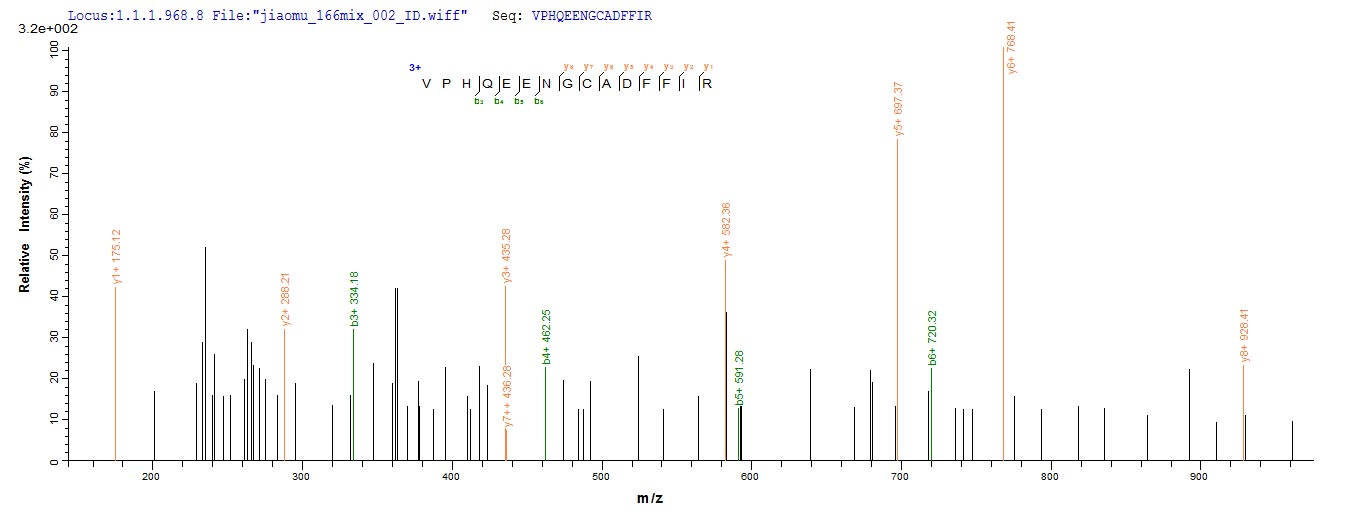 Based on the SEQUEST from database of E.coli host and target protein, the LC-MS/MS Analysis result of CSB-EP773600HU could indicate that this peptide derived from E.coli-expressed Homo sapiens (Human) SPRED1.
 -
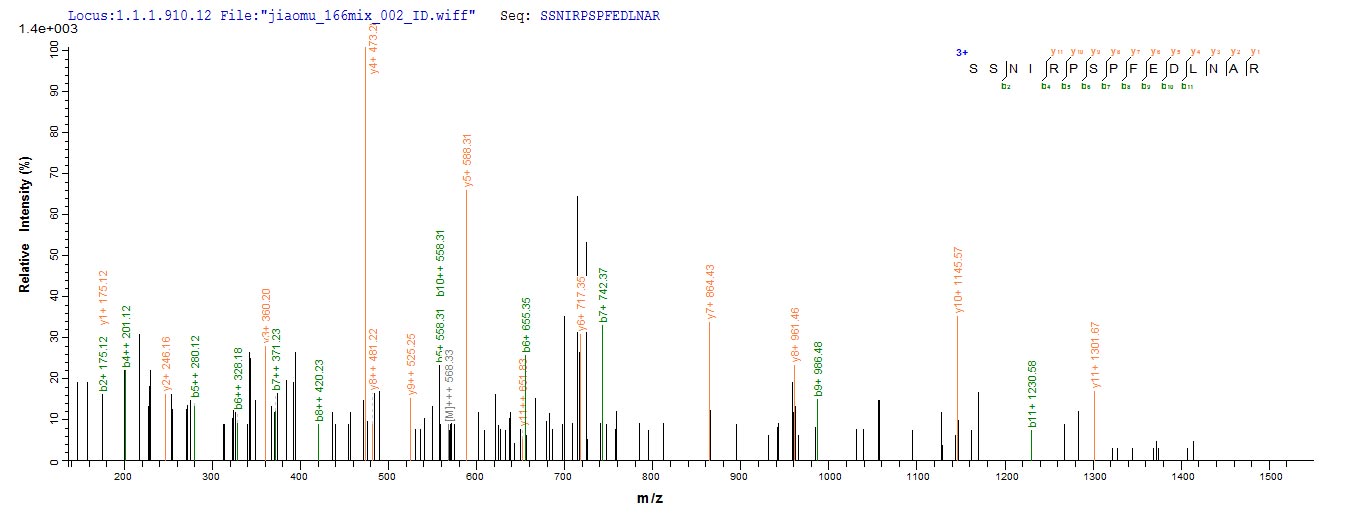 Based on the SEQUEST from database of E.coli host and target protein, the LC-MS/MS Analysis result of CSB-EP773600HU could indicate that this peptide derived from E.coli-expressed Homo sapiens (Human) SPRED1.
-
-
其他:
產(chǎn)品詳情
-
純度:Greater than 85% as determined by SDS-PAGE.
-
基因名:SPRED1
-
Uniprot No.:
-
別名:EVH1 domain-containing protein 1; EVH1/Sprouty domain containing protein; FLJ33903; hSpred 1; hSpred1; NFLS; PPP1R147; protein phosphatase 1 regulatory subunit 147; SPRE1_HUMAN; SPRED 1; Spred-1; spred1; Sprouty related EVH1 domain containing 1; sprouty related EVH1 domain containing protein 1; Sprouty related protein 1 with EVH 1 domain; Sprouty-related; Suppressor of Ras/MAPK activation
-
種屬:Homo sapiens (Human)
-
蛋白長(zhǎng)度:Full Length of Mature Protein
-
來(lái)源:E.coli
-
分子量:70.3 kDa
-
表達(dá)區(qū)域:2-444aa
-
氨基酸序列SEETATSDNDNSYARVRAVVMTRDDSSGGWLPLGGSGLSSVTVFKVPHQEENGCADFFIRGERLRDKMVVLECMLKKDLIYNKVTPTFHHWKIDDKKFGLTFQSPADARAFDRGIRRAIEDISQGCPESKNEAEGADDLQANEEDSSSSLVKDHLFQQETVVTSEPYRSSNIRPSPFEDLNARRVYMQSQANQITFGQPGLDIQSRSMEYVQRQISKECGSLKSQNRVPLKSIRHVSFQDEDEIVRINPRDILIRRYADYRHPDMWKNDLERDDADSSIQFSKPDSKKSDYLYSCGDETKLSSPKDSVVFKTQPSSLKIKKSKRRKEDGERSRCVYCQERFNHEENVRGKCQDAPDPIKRCIYQVSCMLCAESMLYHCMSDSEGDFSDPCSCDTSDDKFCLRWLALVALSFIVPCMCCYVPLRMCHRCGEACGCCGGKHKAAG
Note: The complete sequence may include tag sequence, target protein sequence, linker sequence and extra sequence that is translated with the protein sequence for the purpose(s) of secretion, stability, solubility, etc.
If the exact amino acid sequence of this recombinant protein is critical to your application, please explicitly request the full and complete sequence of this protein before ordering. -
蛋白標(biāo)簽:N-terminal 10xHis-SUMO-tagged and C-terminal Myc-tagged
-
產(chǎn)品提供形式:Liquid or Lyophilized powder
Note: We will preferentially ship the format that we have in stock, however, if you have any special requirement for the format, please remark your requirement when placing the order, we will prepare according to your demand. -
緩沖液:Tris-based buffer,50% glycerol
-
儲(chǔ)存條件:Store at -20°C/-80°C upon receipt, aliquoting is necessary for mutiple use. Avoid repeated freeze-thaw cycles.
-
保質(zhì)期:The shelf life is related to many factors, storage state, buffer ingredients, storage temperature and the stability of the protein itself.
Generally, the shelf life of liquid form is 6 months at -20°C/-80°C. The shelf life of lyophilized form is 12 months at -20°C/-80°C. -
貨期:3-7 business days
-
注意事項(xiàng):Repeated freezing and thawing is not recommended. Store working aliquots at 4°C for up to one week.
-
Datasheet & COA:Please contact us to get it.
產(chǎn)品評(píng)價(jià)

相關(guān)產(chǎn)品
靶點(diǎn)詳情
-
功能:Tyrosine kinase substrate that inhibits growth-factor-mediated activation of MAP kinase. Negatively regulates hematopoiesis of bone marrow. Inhibits fibroblast growth factor (FGF)-induced retinal lens fiber differentiation, probably by inhibiting FGF-mediated phosphorylation of ERK1/2. Attenuates actin stress fiber formation via inhibition of TESK1-mediated phosphorylation of cofilin. Inhibits TGFB-induced epithelial-to-mesenchymal transition in lens epithelial cells.
-
基因功能參考文獻(xiàn):
- The EVH1 domain of Spred1 binds to the noncatalytic portion of the GAP-related domain of neurofibromin. PMID: 27313208
- Results provide genetic evidence that miR-126, through its target gene Spred-1, plays a critical role in the development of retinal vascular layers. PMID: 27203443
- In one case we identified a nonsense mutation c.46C>T (p.Arg16*) in exon 2 of SPRED1 gene, confirming diagnosis of Legius syndrome. This mutation was reported previously. PMID: 28150585
- PURA may be a potential target of miR-144 and observed downregulation of PURA may be caused by increased expression of miR-144. The other predicted target of miR-144 SPRED1, was found to be downregulated in 69 per cent EC tissues as compared to matched distant non-malignant tissues. PMID: 27748283
- This study constitutes the first report from Japan of Legius syndrome occurring in siblings. Mutation analysis showed a mutation of c.349C>T resulting in p.Arg117* in exon 4. PMID: 25981987
- Data suggest SPRED1 EVH1 domain interacts with NF1 GRD domain [N-term. 16AA/C-term. 20AA of GTPase-activating protein-related domain]; SPRED1 EVH1 and NF1 GRD mutations observed in Legius syndrome reduce binding affinity between EVH1/GRD domains. PMID: 26635368
- Cosuppression of Sprouty and Sprouty-related negative regulators of FGF signalling in prostate cancer PMID: 26075267
- SPRED1 decreased expression correlated with genetic features of AML. Our study reveals a new mechanism which contributes to deregulate RAS MAPK pathway in the vast majority of paediatric AMLs PMID: 24469042
- Antisense-mediated knockdown (anti-miR) revealed that miR-206/21 coordinately promote RAS-ERK signaling and the corresponding cell phenotypes by inhibiting translation of the pathway suppressors RASA1 and SPRED1. PMID: 25202123
- SPRED1 seems to play an important role in recruiting neurofibromin to the plasma membrane. (Review) PMID: 24334617
- Older age and deletions of IKZF1 and SPRED1 were also associated with poor overall survival of pediatric B-cell precursor acute lymphoblastic leukemia. PMID: 23823658
- Microrna-126 was transported into recipient human coronary artery endothelial cells by endothelial microparticles and functionally regulated the target protein sprouty-related, EVH1 domain-containing protein 1 (SPRED1). PMID: 24014835
- Based on our current understanding of KIT and SPRED1 protein interactions, we propose that cafe-au-lait macules and freckling may be seen in some patients with piebaldism and does not necessarily represent coexistence of neurofibromatosis type 1. PMID: 23016555
- Sixty-three mutations and deletions are definitely pathogenic or most likely pathogenic, eight SPRED1 mutations are probably benign rare variants, and 17 SPRED1 missense mutations are still unclassified. Review. PMID: 22753041
- show that neurofibromin, the NF1 gene product, is a Spred1-interacting protein that is necessary for Spred1's inhibitory function PMID: 22751498
- a cohort of 115 NF1-like patients were screened for SPRED1 gene mutations and six mutations were identified. 12 potentially pathogenic SPRED1 mutations have been detected in 200 such NF1-like patients PMID: 21649642
- SPRED1 is a likely substrate of SHP2, whose tyrosine dephosphorylation is required to attenuate the inhibitory action of SPRED1 in the Ras/ERK pathway. PMID: 21531714
- Sprouty and Spred proteins are negative regulators of the ERK/Elk-1 pathway activation induced not only by growth-factors, but also by reactive lipidic mediators. PMID: 21364986
- The frequency of SPRED1 mutations in patients meeting diagnostic criteria for neurofibromatosis 1 in a hospital-based clinic is 1% to 2%. The likelihood an individual is harboring a SPRED1 mutation increases with age. PMID: 20179001
- no evidence of leukemogenic SPRED1 involement in juvenile myelomonocytic leukemia PMID: 20339110
- We show here that Spred-1 and Spred-2 appear to have distinct mechanisms whereby they induce their effects, as the Sprouty domain of Spred-1 is not required to block MAPK (mitogen-activated protein kinase) activation, while that of Spred-2 is required. PMID: 15683364
- reduction of Spred expression in hepatocellular carcinoma (HCC) is one of the causes of the acquisition of malignant features. Thus, Spred could be not only a novel prognostic factor but also a new therapeutic target for human HCC PMID: 16652141
- Studies show that the clinical features of the reported disorder resemble those of neurofibromatosis type 1 provide the first report of mutations of SPRED1 (SPROUTY)/SPRED family of genes) in human disease. PMID: 17704776
- enhanced TESK1 activity results in increased stress fibers (via phospho-cofilin), but this can be blocked by elevating Spred1 PMID: 18216281
- Linkage analysis of SPRED1 excluded its involvement in Cafe-au-lait spots in a patient with a severe form of Noonan syndrome. PMID: 19120036
- SPRED1 mutations occurred with a prevalence of 0.5% in NF1 patients and in 5% of NF1 patients displaying an NF1-like phenotype. PMID: 19366998
- Unrelated mild NF1 patients were screened for mutations of the SPRED1-3 and the SPRY1-4 genes. SPRED1 mutations were identified in 6 cases. PMID: 19443465
- A high SPRED1 mutation detection rate was found in NF1 mutation-negative families with an autosomal dominant phenotype of CALMs (cafe au lait macules)with or without freckling and no other NF1 features. PMID: 19920235
顯示更多
收起更多
-
相關(guān)疾病:Neurofibromatosis 1-like syndrome (NFLS)
-
亞細(xì)胞定位:Cell membrane; Peripheral membrane protein. Membrane, caveola; Peripheral membrane protein. Nucleus. Note=Localized in cholesterol-rich membrane raft/caveola fractions.
-
組織特異性:Weakly expressed in embryonic cell line HEK293.
-
數(shù)據(jù)庫(kù)鏈接:
Most popular with customers
-
Recombinant Human Neural cell adhesion molecule L1 (L1CAM), partial (Active)
Express system: Mammalian cell
Species: Homo sapiens (Human)
-
-AC1.jpg)
Recombinant Human Angiopoietin-2 (ANGPT2) (Active)
Express system: Mammalian cell
Species: Homo sapiens (Human)
-
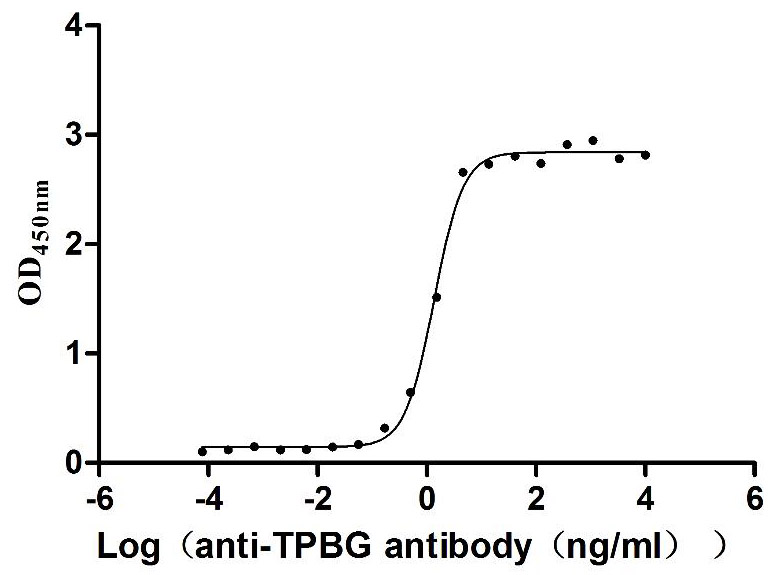
Recombinant Human Trophoblast glycoprotein (TPBG), partial (Active)
Express system: Mammalian cell
Species: Homo sapiens (Human)
-
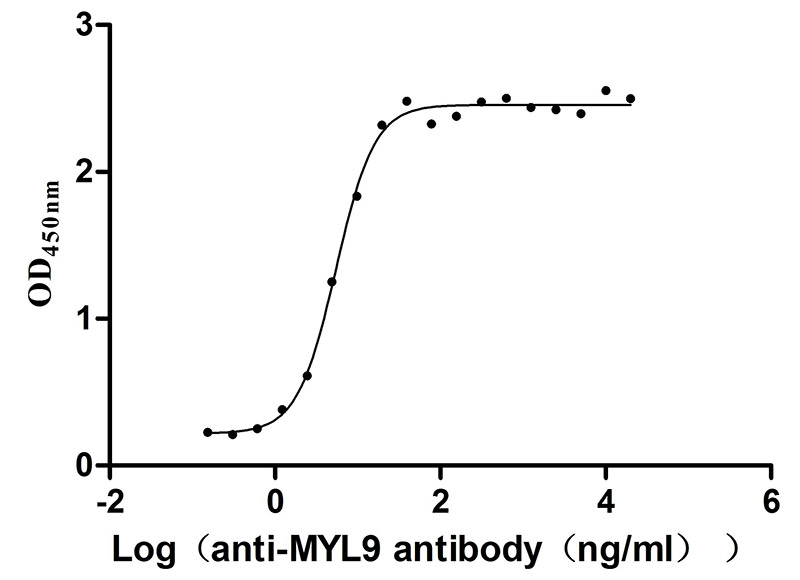
Recombinant Human Myosin regulatory light polypeptide 9 (MYL9) (Active)
Express system: Yeast
Species: Homo sapiens (Human)
-
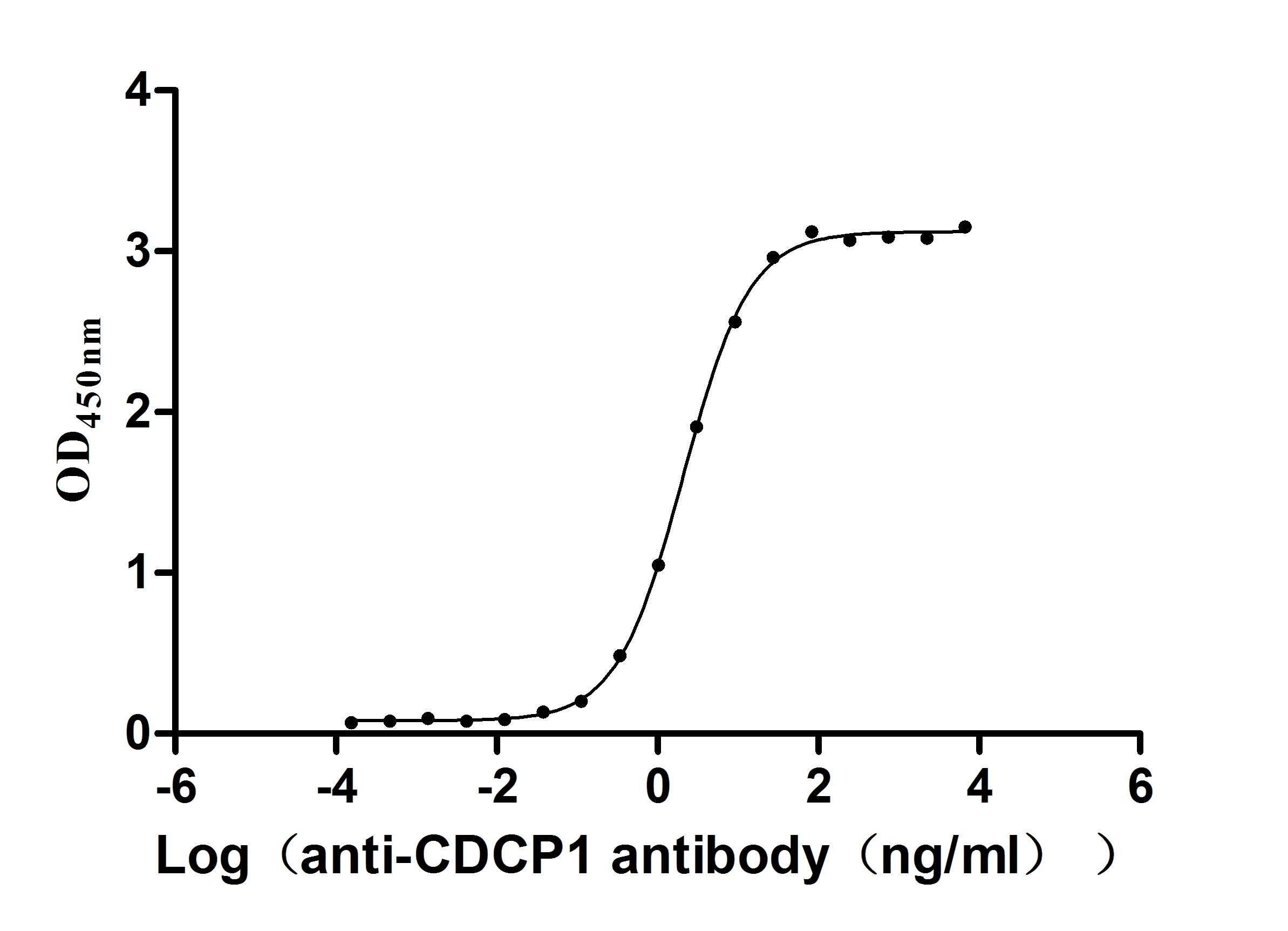
Recombinant Macaca fascicularis CUB domain containing protein 1 (CDCP1), partial (Active)
Express system: Mammalian cell
Species: Macaca fascicularis (Crab-eating macaque) (Cynomolgus monkey)
-
-
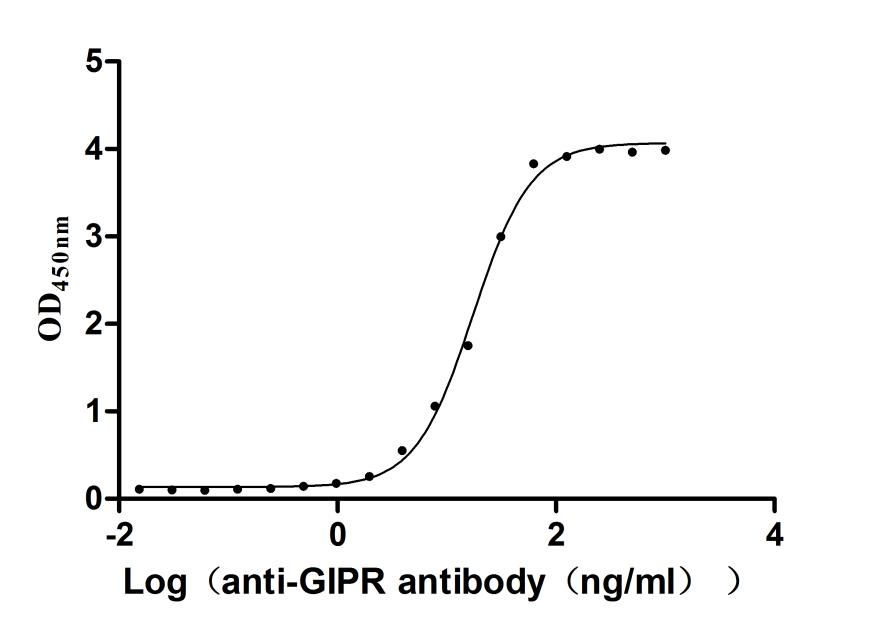
Recombinant Human Gastric inhibitory polypeptide receptor(GIPR),partial (Active)
Express system: Mammalian cell
Species: Homo sapiens (Human)
-
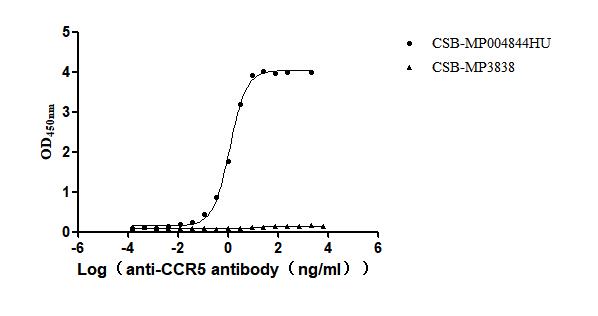
Recombinant Human C-C chemokine receptor type 5 (CCR5)-VLPs (Active)
Express system: Mammalian cell
Species: Homo sapiens (Human)