
Recombinant Human Secretory phospholipase A2 receptor (PLA2R1), partial
In Stock-
中文名稱:人PLA2R1重組蛋白
-
品名簡稱:Recombinant Human PLA2R1 protein, partial
-
貨號(hào):CSB-BP623780HU
-
說明書:
-
規(guī)格:¥1902
-
圖片:
-
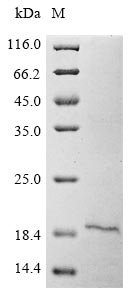 (Tris-Glycine gel) Discontinuous SDS-PAGE (reduced) with 5% enrichment gel and 15% separation gel.
-
-
其他:
產(chǎn)品詳情
-
純度:Greater than 85% as determined by SDS-PAGE.
-
基因名:
-
Uniprot No.:
-
別名:180 kDa secretory phospholipase A2 receptor C-type lectin domain family 13 member C M-type receptor
-
種屬:Homo sapiens (Human)
-
蛋白長度:Partial
-
來源:Baculovirus
-
分子量:19.3 kDa
-
表達(dá)區(qū)域:395-530aa
-
氨基酸序列EEKTWHEALRSCQADNSALIDITSLAEVEFLVTLLGDENASETWIGLSSNKIPVSFEWSNDSSVIFTNWHTLEPHIFPNRSQLCVSAEQSEGHWKVKNCEERLFYICKKAGHVLSDAESGCQEGWERHGGFCYKID
Note: The complete sequence may include tag sequence, target protein sequence, linker sequence and extra sequence that is translated with the protein sequence for the purpose(s) of secretion, stability, solubility, etc.
If the exact amino acid sequence of this recombinant protein is critical to your application, please explicitly request the full and complete sequence of this protein before ordering. -
蛋白標(biāo)簽:N-terminal 10xHis-tagged and C-terminal Myc-tagged
-
產(chǎn)品提供形式:Liquid or Lyophilized powder
Note: We will preferentially ship the format that we have in stock, however, if you have any special requirement for the format, please remark your requirement when placing the order, we will prepare according to your demand. -
緩沖液:If the delivery form is liquid, the default storage buffer is Tris/PBS-based buffer, 5%-50% glycerol. If the delivery form is lyophilized powder, the buffer before lyophilization is Tris/PBS-based buffer, 6% Trehalose.
-
復(fù)溶:We recommend that this vial be briefly centrifuged prior to opening to bring the contents to the bottom. Please reconstitute protein in deionized sterile water to a concentration of 0.1-1.0 mg/mL.We recommend to add 5-50% of glycerol (final concentration) and aliquot for long-term storage at -20°C/-80°C. Our default final concentration of glycerol is 50%. Customers could use it as reference.
-
儲(chǔ)存條件:Store at -20°C/-80°C upon receipt, aliquoting is necessary for mutiple use. Avoid repeated freeze-thaw cycles.
-
保質(zhì)期:The shelf life is related to many factors, storage state, buffer ingredients, storage temperature and the stability of the protein itself.
Generally, the shelf life of liquid form is 6 months at -20°C/-80°C. The shelf life of lyophilized form is 12 months at -20°C/-80°C. -
貨期:3-7 business days
-
注意事項(xiàng):Repeated freezing and thawing is not recommended. Store working aliquots at 4°C for up to one week.
-
Datasheet & COA:Please contact us to get it.
產(chǎn)品評(píng)價(jià)

相關(guān)產(chǎn)品
靶點(diǎn)詳情
-
功能:Receptor for secretory phospholipase A2 (sPLA2). Acts as a receptor for phospholipase sPLA2-IB/PLA2G1B but not sPLA2-IIA/PLA2G2A. Also able to bind to snake PA2-like toxins. Although its precise function remains unclear, binding of sPLA2 to its receptor participates in both positive and negative regulation of sPLA2 functions as well as clearance of sPLA2. Binding of sPLA2-IB/PLA2G1B induces various effects depending on the cell type, such as activation of the mitogen-activated protein kinase (MAPK) cascade to induce cell proliferation, the production of lipid mediators, selective release of arachidonic acid in bone marrow-derived mast cells. In neutrophils, binding of sPLA2-IB/PLA2G1B can activate p38 MAPK to stimulate elastase release and cell adhesion. May be involved in responses in proinflammatory cytokine productions during endotoxic shock. Also has endocytic properties and rapidly internalizes sPLA2 ligands, which is particularly important for the clearance of extracellular sPLA2s to protect their potent enzymatic activities. The soluble secretory phospholipase A2 receptor form is circulating and acts as a negative regulator of sPLA2 functions by blocking the biological functions of sPLA2-IB/PLA2G1B. In podocytes, binding of sPLA2-IB/PLA2G1B can regulate podocyte survival and glomerular homeostasis.
-
基因功能參考文獻(xiàn):
- Compared with non-PLA2R-associated IMN patients in our cohort, PLA2R-associated IMN patients presented with more severe proteinuria and lower remission rates after treatment, with no distinct histological differences. PMID: 30032157
- Suggest strong genetic association between nonsynonymous SNP rs35771982 (p.His300Asp) within PLA2R1 and idiopathic membranous nephropathy. PMID: 28849274
- We propose a revised clinical workup flow for patients with MN that recommends assessment of kidney biopsy for PLA2R1 and THSD7A antigen expression, screening for circulating anti-podocytes antibodies, and assessment for secondary causes, especially cancer, in patients with THSD7A antibodies PMID: 29511687
- Five SNPs around the PLA2R1 gene were significantly associated with idiopathic membranous nephropathy. PMID: 27934873
- Several risk alleles related to the PLA2R1 gene and within the HLA loci have been identified, whereas epitope spreading of PLA2R may predict treatment response. More recently, thrombospondin type 1 domain-containing 7A (THSD7A) antibodies have been discovered in primary membranous nephropathy . PMID: 28904948
- PLA2R may play a role in some adolescent and preteen idiopathic membranous nephropathy patients but may be less frequently associated with idiopathic membranous nephropathy during childhood PMID: 27921164
- Anti-M-type phospholipase A2 receptor (anti-PLA2R) and anti-THSD7A (thrombospondin type-1 domain-containing 7A) were detected only in membranous neurophathy (MN) patient sera and not in controls. PMID: 27634909
- The frameshift mutation detected in the current study would result in premature stops of amino acid synthesis in PLA2R1 and SRPK1 proteins and hence resembles a typical inactivating mutation. PMID: 28212809
- Single-nucleotide polymorphism in PLA2R1 gene is associated with primary membranous nephropathy. PMID: 26673907
- blocking the ERRalpha-controlled mitochondrial program largely inhibits the PLA2R1-induced tumor-suppressive response. Together, our data document ERRalpha and its mitochondrial program as downstream effectors of the PLA2R1-JAK2 pathway leading to oncosuppression. PMID: 27041564
- Assessment of PLA2R autoimmunity is essential for patient management. Combination of PLA2R-Ab and PLA2R-Ag increases diagnosis sensitivity. PLA2R-Ab titer is a biomarker of disease severity at initial assessment, and the kinetics of the antibody are significantly correlated to disease evolution. PMID: 28257452
- analysis of Japanese patients reveals that anti-PLA2R antibodies are present in idiopathic membranous nephropathy but not in secondary membranous nephropathy PMID: 27355365
- Retrospective study to compare the value of serum anti-PLA2R antibody and glomerular PLA2R deposition in reflecting disease activity and renal function in Chinese patients with membranous nephropathy; serum anti-PLA2R antibody is more closely correlated with disease activity and renal function than glomerular PLA2R deposition. PMID: 28614271
- PLA2R1 is increased in the airway epithelium in asthma, and serves as a regulator of airway hyperresponsiveness, airway permeability, antigen sensitization, and airway inflammation. PMID: 27448109
- circulating anti-PLA2R antibodies are specific for primary membranous nephropathy. PMID: 26830547
- PLA2R gene polymorphism is Associated with Increased Intima-Media Thickness of the Carotid Artery. PMID: 27025682
- Report both serum and kidney levels of PLA2R1 autoantibody in idiopathic membranous nephropathy. PMID: 26369693
- Pre-transplant phospholipase A2 receptor autoantibody concentration is associated with clinically significant recurrence of membranous nephropathy post-kidney transplantation. PMID: 26854647
- genetic polymorphism is associated with systemic lupus erythematosus and lupus nephritis in a Chinese patients PMID: 26645973
- Accordingly, PLA2R ABs assay seems to be promising tool not only to diagnose MN but also to predict the course of the disease and could open the way to personalize therapy. [review] PMID: 26576418
- PLA2R1 expression in breast cancer cells is controlled by DNA methylation and histone modifications PMID: 26672991
- Assessments of both serum PLA2R antibodies and PLA2R antigen in glomeruli were more sensitive for the diagnosis of PLA2R-related membranous nephropathy PMID: 25492250
- Data indicate that enhanced granular expression of phospholipase A2 receptor (PLA2R) and thrombospondin type-1 domain-containing 7A (THSD7A) was detected in 9.1% and 52.7%, respectively, of the patients with idiopathic membranous nephropathy (MN). PMID: 26393352
- Anti-PLA2R antibodies were found in Japanese patients with idiopathic membranous nephropathy; however, the prevalence was lower than that of any other Asian country. PMID: 25412738
- Suggest that PLA2R has a contributory role in the pathogenesis of paediatric idiopathic membranous nephropathy. PMID: 26194981
- Renal biopsy PLA2R positivity was common in idiopathic membranous nephropathy (MN) and HBV-MN but rare in lupus-associated MN, and it was closely associated with serum PLA2R-Ab production. PMID: 26087695
- Case Report: PLA2R positive membranous nephropathy in kidney transplant recipient with both IgA nephropathy and HCV infection long after kidney transplant from identical twin. PMID: 26031599
- The detection and measurement of PLA2R-AB in idiopathic membranous nephropathy patients may be important tool in monitoring of the disease and efficacy of the treatment. PMID: 25953939
- serological anti-PLA2R testing has diagnostic value for differentiating iMN from sMN, but it must be interpreted in context with patient clinical characteristics (degree of proteinuria, immunosuppressive treatment, time of detection). PMID: 25740009
- Demonstrate pretransplantation circulating anti-PLA2R antibodies in a cohort of renal transplant recipients who prospectively developed recurrent disease. PMID: 25675198
- The sPLA2 IB-PLA2R interaction stimulated podocyte apoptosis through activating ERK1/2 and cPLA2alpha and through increasing the podocyte AA content PMID: 25335547
- Studies indicate that phospholipase A2 receptor 1 (PLA2R1) may act as a clearance or signaling receptor for secreted phospholipase A2 (sPLA2s). PMID: 25230085
- An important role of PLA2R1 in controlling cancer cell death by influencing mitochondrial biology. PMID: 23994771
- Data show there was strong epistasis between HLA-DQA1 single nucleotide polymorphism rs2187668 and the phospholipase A2 receptor 1 (PLA2R1) variant rs35771982. PMID: 25187357
- Study showed that CTLD1-2 as well as the FNII domain of PLA2R were responsible for binding to collagen I and collagen-dependent migration in both mouse and human PLA2R. PMID: 25724334
- Data show loss of VHL, stabilization of HIF-2alpha and increased c-MYC activity, binding and transcriptional repression, through induction of PLA2R1 DNA methylation closed to PLA2R1 transcriptional start site, results in decreased PLA2R1 transcription. PMID: 24657971
- 15 of 154 patients with idiopathic membranous nephropathy had circulating autoantibodies to THSD7A but not to PLA2R1, a finding that suggests a distinct subgroup of patients with this condition. PMID: 25394321
- This review compiles recent data demonstrating an unexpected tumor suppressive role of PLA2R1 and outlines the future work needed to improve our knowledge of the functions of this gene in cancer.[review] PMID: 24667060
- Suggest HLA-DQA1 and PLA2R1 polymorphisms can predict idiopathic membranous nephropathy response to immunosuppressors and disease progression. PMID: 24262501
- PLA2R1 plays a role in cancer as a tumor gene suppressor and is the major target antigen of auto-immune antibodies involved in idiopathic membranous nephropathy, a severe human kidney disease.[review] PMID: 24939538
- We conclude that a decrease in PLA2R antibody level is associated with a decrease of proteinuria in patients with primary membranous nephropathy. PMID: 24610926
- PLA2R staining sensitivity is much lower in the pediatric than the adult primary membranous glomerulopathy population, suggesting a more diverse and currently incompletely described set of etiologies for this disease in this group. PMID: 23903693
- anti-PLA2R in serum of patients with idiopathic membranous nephropathy was confirmed as a reliable diagnostic marker. PMID: 24779214
- The CC genotype and C allele at rs35771982 in PLA2R gene are associated with susceptibility to IMN in Chinese Hans. PMID: 24327152
- We present the largest case series to date examining PLA2R1 involvement in membranous glomerulopathy PMID: 23196797
- High levels of PLA2R antibodies are linked with active disease and a higher risk of declining renal function during follow-up in idiopathic membranous nephropathy. PMID: 23364522
- the interaction between PLA2R1 and HLA-DQA1 risk alleles associates with the development of idiopathic membranous nephropathy in the Chinese population. PMID: 23813219
- rare variants in the coding sequence of PLA2R1, including splice sites, are unlikely to explain the pathogenesis of idiopathic membranous nephropathy. PMID: 23431073
- Data show that the genotyping technique of single nucleotide polymorphisms (SNPs) rs2187668 and rs4664308 within HLA-DQA1 and PLA2R1 is valuable for assessing susceptibility to idiopathic membranous nephropathy (IMN). PMID: 23194743
- Increased staining for PLA2R in glomeruli of renal biopsies tightly correlates with the presence of PLA2R autoantibodies in the serum and this may help discriminate between primary and secondary membranous nephropathy. PMID: 22673885
顯示更多
收起更多
-
亞細(xì)胞定位:Cell membrane; Single-pass type I membrane protein.; [Soluble secretory phospholipase A2 receptor]: Secreted.; [Isoform 2]: Secreted.
-
組織特異性:Expressed in podocytes (at protein level). Present in lung macrophage (at protein level). Highly expressed in kidney. Also expressed in pancreas, amnion, choriodecidua and placenta. Isoform 2 is expressed at much lower level.
-
數(shù)據(jù)庫鏈接:
Most popular with customers
-
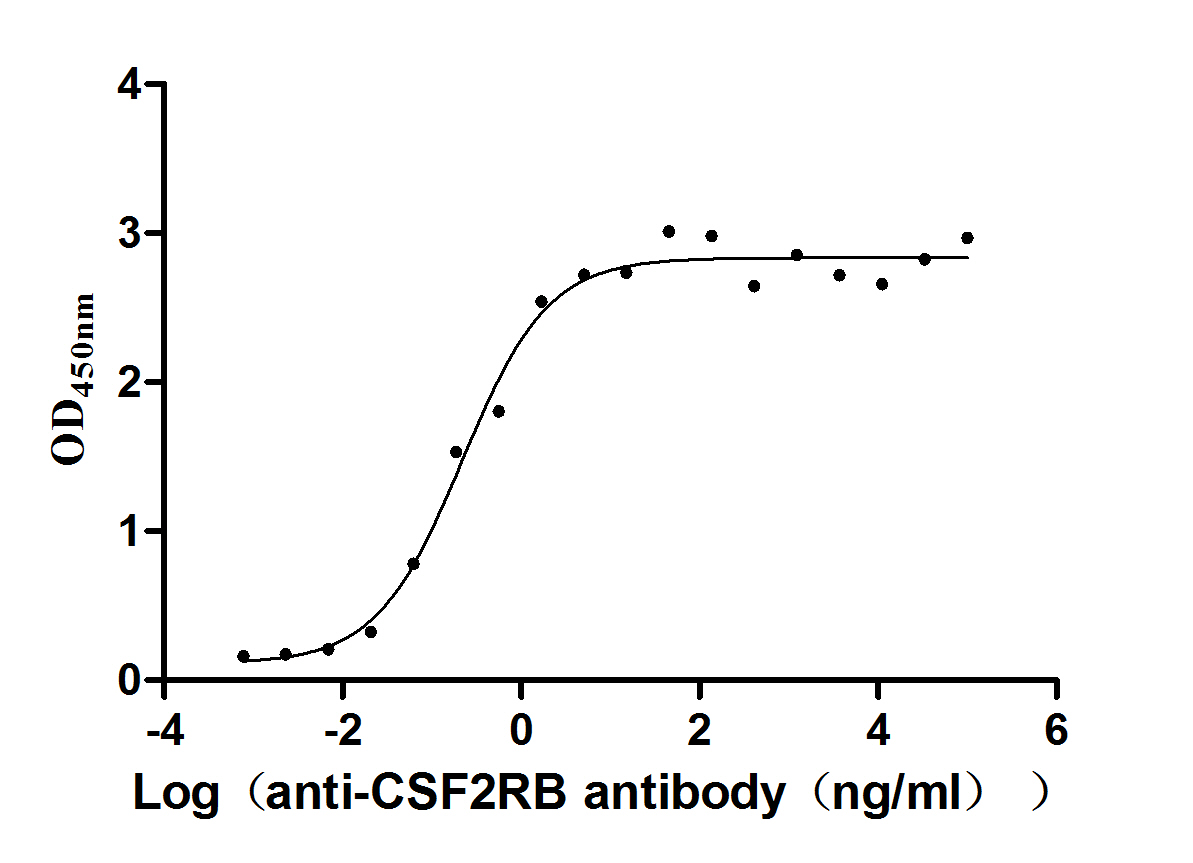
Recombinant Human Cytokine receptor common subunit beta (CSF2RB), partial (Active)
Express system: Mammalian cell
Species: Homo sapiens (Human)
-
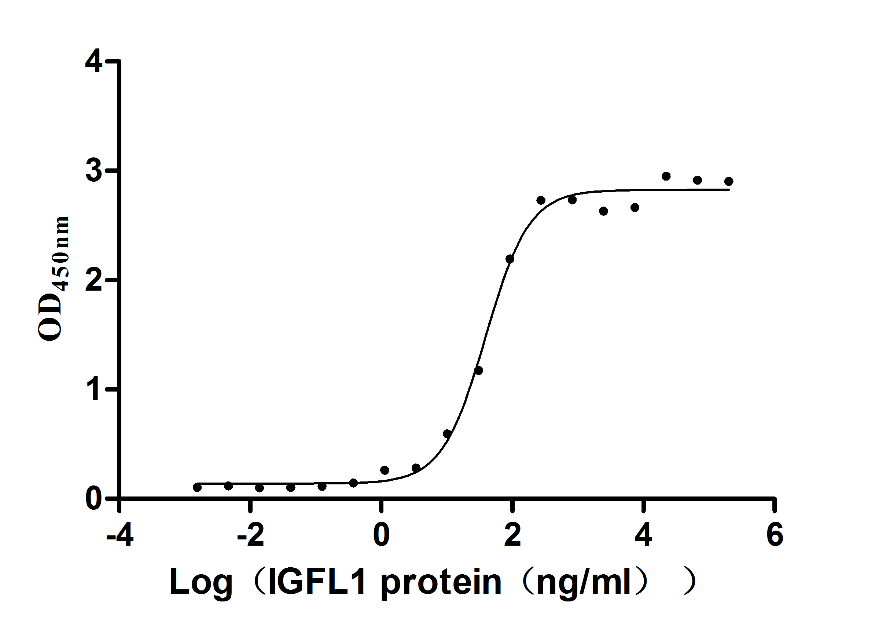
Recombinant Human IGF-like family receptor 1 (IGFLR1), partial (Active)
Express system: Mammalian cell
Species: Homo sapiens (Human)
-
f4-AC1.jpg)
Recombinant Human Claudin-6 (CLDN6)-VLPs, Fluorescent (Active)
Express system: Mammalian cell
Species: Homo sapiens (Human)
-
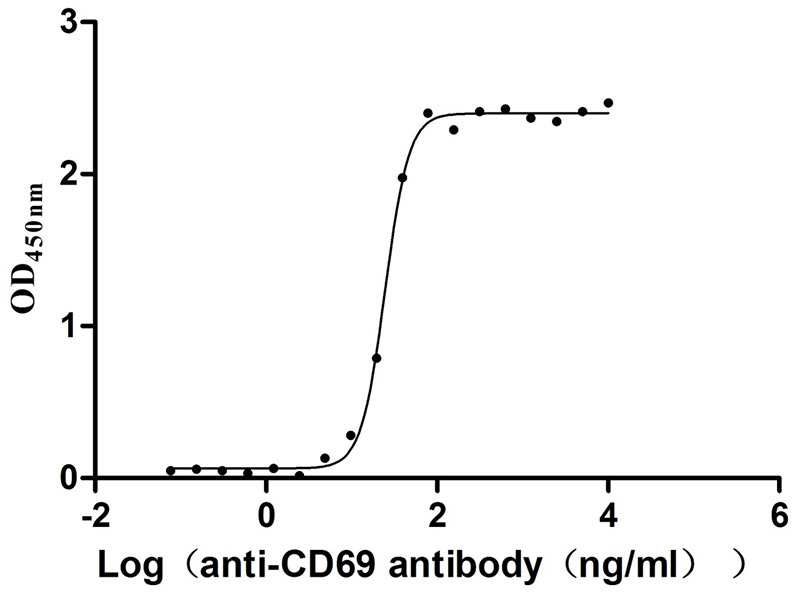
Recombinant Human Early activation antigen CD69 (CD69), partial (Active)
Express system: Mammalian cell
Species: Homo sapiens (Human)
-
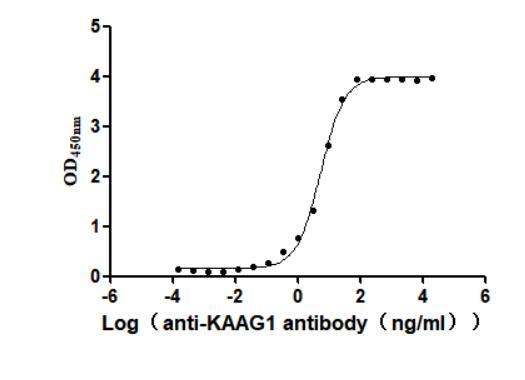
Recombinant Human Kidney-associated antigen 1(KAAG1) (Active)
Express system: Baculovirus
Species: Homo sapiens (Human)