Recombinant Human Ran-binding protein 9 (RANBP9)
-
中文名稱:人RANBP9重組蛋白
-
貨號(hào):CSB-YP853501HU
-
規(guī)格:
-
來(lái)源:Yeast
-
其他:
-
中文名稱:人RANBP9重組蛋白
-
貨號(hào):CSB-EP853501HU
-
規(guī)格:
-
來(lái)源:E.coli
-
其他:
-
中文名稱:人RANBP9重組蛋白
-
貨號(hào):CSB-EP853501HU-B
-
規(guī)格:
-
來(lái)源:E.coli
-
共軛:Avi-tag Biotinylated
E. coli biotin ligase (BirA) is highly specific in covalently attaching biotin to the 15 amino acid AviTag peptide. This recombinant protein was biotinylated in vivo by AviTag-BirA technology, which method is BriA catalyzes amide linkage between the biotin and the specific lysine of the AviTag.
-
其他:
-
中文名稱:人RANBP9重組蛋白
-
貨號(hào):CSB-BP853501HU
-
規(guī)格:
-
來(lái)源:Baculovirus
-
其他:
-
中文名稱:人RANBP9重組蛋白
-
貨號(hào):CSB-MP853501HU
-
規(guī)格:
-
來(lái)源:Mammalian cell
-
其他:
產(chǎn)品詳情
-
純度:>85% (SDS-PAGE)
-
基因名:RANBP9
-
Uniprot No.:
-
別名:B cell antigen receptor Ig beta associated protein 1; BPM 90; BPM L; BPM-L; BPM90; BPML; IBAP 1 ; Imp 9; Importin 9; Novel centrosomal protein RanBPM; RAN binding protein 9; Ran binding protein centrosomal; Ran Binding Protein in the Microtubule organizing center; Ran binding protein M; Ran BP9; Ran-binding protein 9; Ran-binding protein M; RANB9_HUMAN; RanBP 7; RANBP 9; RanBP7; RanBP9; RanBPM
-
種屬:Homo sapiens (Human)
-
蛋白長(zhǎng)度:full length protein
-
表達(dá)區(qū)域:1-729
-
氨基酸序列MSGQPPPPPP QQQQQQQQLS PPPPAALAPV SGVVLPAPPA VSAGSSPAGS PGGGAGGEGL GAAAAALLLH PPPPPPPATA APPPPPPPPP PPASAAAPAS GPPAPPGLAA GPGPAGGAPT PALVAGSSAA APFPHGDSAL NEQEKELQRR LKRLYPAVDE QETPLPRSWS PKDKFSYIGL SQNNLRVHYK GHGKTPKDAA SVRATHPIPA ACGIYYFEVK IVSKGRDGYM GIGLSAQGVN MNRLPGWDKH SYGYHGDDGH SFCSSGTGQP YGPTFTTGDV IGCCVNLINN TCFYTKNGHS LGIAFTDLPP NLYPTVGLQT PGEVVDANFG QHPFVFDIED YMREWRTKIQ AQIDRFPIGD REGEWQTMIQ KMVSSYLVHH GYCATAEAFA RSTDQTVLEE LASIKNRQRI QKLVLAGRMG EAIETTQQLY PSLLERNPNL LFTLKVRQFI EMVNGTDSEV RCLGGRSPKS QDSYPVSPRP FSSPSMSPSH GMNIHNLASG KGSTAHFSGF ESCSNGVISN KAHQSYCHSN KHQSSNLNVP ELNSINMSRS QQVNNFTSND VDMETDHYSN GVGETSSNGF LNGSSKHDHE MEDCDTEMEV DSSQLRRQLC GGSQAAIERM IHFGRELQAM SEQLRRDCGK NTANKKMLKD AFSLLAYSDP WNSPVGNQLD PIQREPVCSA LNSAILETHN LPKQPPLALA MGQATQCLGL MARSGIGSCA FATVEDYLH
-
蛋白標(biāo)簽:Tag?type?will?be?determined?during?the?manufacturing?process.
The tag type will be determined during production process. If you have specified tag type, please tell us and we will develop the specified tag preferentially. -
產(chǎn)品提供形式:Lyophilized powder
Note: We will preferentially ship the format that we have in stock, however, if you have any special requirement for the format, please remark your requirement when placing the order, we will prepare according to your demand. -
復(fù)溶:We recommend that this vial be briefly centrifuged prior to opening to bring the contents to the bottom. Please reconstitute protein in deionized sterile water to a concentration of 0.1-1.0 mg/mL.We recommend to add 5-50% of glycerol (final concentration) and aliquot for long-term storage at -20℃/-80℃. Our default final concentration of glycerol is 50%. Customers could use it as reference.
-
儲(chǔ)存條件:Store at -20°C/-80°C upon receipt, aliquoting is necessary for mutiple use. Avoid repeated freeze-thaw cycles.
-
保質(zhì)期:The shelf life is related to many factors, storage state, buffer ingredients, storage temperature and the stability of the protein itself.
Generally, the shelf life of liquid form is 6 months at -20°C/-80°C. The shelf life of lyophilized form is 12 months at -20°C/-80°C. -
貨期:Delivery time may differ from different purchasing way or location, please kindly consult your local distributors for specific delivery time.Note: All of our proteins are default shipped with normal blue ice packs, if you request to ship with dry ice, please communicate with us in advance and extra fees will be charged.
-
注意事項(xiàng):Repeated freezing and thawing is not recommended. Store working aliquots at 4°C for up to one week.
-
Datasheet :Please contact us to get it.
產(chǎn)品評(píng)價(jià)

相關(guān)產(chǎn)品
靶點(diǎn)詳情
-
功能:May act as scaffolding protein, and as adapter protein to couple membrane receptors to intracellular signaling pathways (Probable). Acts as a mediator of cell spreading and actin cytoskeleton rearrangement. Core component of the CTLH E3 ubiquitin-protein ligase complex that selectively accepts ubiquitin from UBE2H and mediates ubiquitination and subsequent proteasomal degradation of the transcription factor HBP1. May be involved in signaling of ITGB2/LFA-1 and other integrins. Enhances HGF-MET signaling by recruiting Sos and activating the Ras pathway. Enhances dihydrotestosterone-induced transactivation activity of AR, as well as dexamethasone-induced transactivation activity of NR3C1, but not affect estrogen-induced transactivation. Stabilizes TP73 isoform Alpha, probably by inhibiting its ubiquitination, and increases its proapoptotic activity. Inhibits the kinase activity of DYRK1A and DYRK1B. Inhibits FMR1 binding to RNA.
-
基因功能參考文獻(xiàn):
- review provides a complete guide on RanBPM interactors, the physiological role of RanBPM in cellular functions, and potential applications in disease therapeutics. PMID: 29723489
- Ran binding protein 9(RanBPM) is a scaffolding protein with a modulatory function that regulates the activities of IFN-stimulated response elements. IFN-lambda1 affects the cellular distribution of RanBPM and stimulates the interaction between RanBPM and interferon, lambda receptor 1(IFN-lambdaR1). Therefore, RanBPM plays a novel role in the IFN-lambda-regulated signaling pathway. PMID: 28547582
- High RANBPM expression is associated with cancer. PMID: 26919101
- RanBP9/TSSC3 complex cooperatively suppress metastasis via downregulation of Src-dependent Akt pathway to expedite mitochondrial-associated anoikis. PMID: 28032865
- Results show that increased expression of RanBPM associates with postponed disease progression and better prognosis suggesting that RanBPM plays an inhibitory role in regulating proliferation and invasion of lung cancer cells. PMID: 28739732
- The 20-mer peptide (residues 228-247) of human DDX-4, an ATP-dependent RNA helicase known to regulate germ cell development, binds to a unique shallow binding surface on RanBPM formed by highly conserved loops on the surface of the beta-sheet with two aspartates on one end, a positive patch on the opposite end, and a tryptophan lining at the bottom of the surface. PMID: 27622290
- RanBPM acts as a negative regulator of BLT2 and IL8, thus attenuating the invasiveness of aggressive breast cancer cells PMID: 28027932
- RanBP9 absence hampers the molecular mechanisms leading to efficient repair of damaged DNA, resulting in enhanced sensitivity to genotoxic stress. PMID: 26943034
- Loss of RanBPM expression may play an important role in gastric cancer tumor development and metastasis. Reduced RanBPM expression is also associated with chemoresistance of gastric cancer cells. PMID: 26977028
- RanBP9 is positively expressed in bone tumor tissues and cell strains. PMID: 27049080
- RanBPM was found to enhance Zta-dependent transcriptional activity via the inhibition of Zta sumoylation. PMID: 25900136
- association analyses between RANBP9 variants and the risk of schizophrenia were conducted, however no significant association was identified. PMID: 25482375
- RanBP9 relocates APP intracellular domain to Tip60-enriched nuclear speckles and prevented the formation of nuclear spots formation; results place RanBP9 as an important player in the multiple steps of AbetaPP signaling PMID: 25024339
- these analyses reveal that RanBPM subcellular localization results from the combined effects of several elements that either confer direct transport through the nucleocytoplasmic transport machinery PMID: 25659156
- RanBP9 transgene overexpression causes early synaptic deficits, impaired learning and accelerates amyloid plaque accumulation. PMID: 24254706
- COPS5 is a novel RanBP9-binding protein that increases APP processing and Abeta generation by stabilizing RanBP9 protein levels PMID: 23926111
- RanBPM acts as a negative regulator of BLT2 signaling to attenuate BLT2-mediated cell motility PMID: 23928309
- RanBPM influences TRAF6 ubiquitination and the TRAF6-triggered NF-kappaB signaling pathway through RanBPM's interaction with TRAF6. These data suggest that RanBPM participates in gene transcription by binding to TRAF6. PMID: 21805090
- Data indicate that RanBP9 simultaneously inhibits cell-adhesive processes and enhances Abeta generation by accelerating APP, LRP, and beta1-integrin endocytosis. PMID: 22223749
- results indicate that RanBPM, potentially through interaction with citron kinase, plays a role in the progression of neocortical precursors through M-phase at the ventricular surface. PMID: 19790105
- RanBPM co-localizes with p42IP4 and, together with p42(IP4), the SPRY domain of RanBPM could act as a modulator of synaptic plasticity. PMID: 18298663
- data support the idea that RanBP9 and RanBP10 may function as signaling integrators and dictate the efficient regulation of D(1) receptor signaling by PKCdelta and PKCgamma PMID: 20395553
- RanBPM may modulate TrkB-mediated downstream signaling and biological functions. PMID: 20403074
- These results reveal a novel proapoptotic function for RanBPM in DNA damage-induced apoptosis through the regulation of factors involved in the mitochondrial apoptotic pathway. PMID: 19996306
- RanBP9-N60, a processed form of RanBP9 virtually identical to the RanBP9-Delta1/N60 mutant, was strongly increased in Alzheimer disease brains compared with controls. PMID: 19729516
- RanBPM is the enzymic substrate for USP11 and is deubiquitinated specifically PMID: 12084015
- RANBPM has a role in the HGF-MET and Ras signal transduction pathways PMID: 12147692
- overexpressed wildtype HIPK2 and a kinase defective mutant of HIPK2 directly interact with RanBPM in the nucleus of mammalian cells. PMID: 12220523
- interacts with steroid receptors to selectively modify their activity PMID: 12361945
- demonstrates that CDK11(p46) directly interacts with RanBPM in vitro and in human cells PMID: 14511641
- RanBPM may constitute a molecular scaffold that contributes to coupling LFA-1 and other integrins with intracellular signaling pathways PMID: 14722085
- Expression of RanBPM inhibited the ubiquitination of p73alpha, and thereby prolonged its half-life. PMID: 15558019
- Results identify and characterise a novel interaction between RanBPM and the related receptor tyrosine kinases, Axl and Sky. PMID: 15964779
- Coexpression of RANBP9 with constitutively active Raf kinase synergistically inhibited myogenic regulatory factor MyoD-directed muscle reporter gene transcription PMID: 16364241
- CD39 associations with RanBPM have the potential to regulate NTPDase catalytic activity. This intermolecular interaction may have important implications for the regulation of extracellular nucleotide-mediated signalling. PMID: 16478441
- RanBPM is a potent novel coactivator for thyroid hormone receptors PMID: 16595702
- RanBPM, ARMC8alpha, ARMC8beta, Muskelin, p48EMLP, and p44CTLH form complexes in cells PMID: 17467196
- Studies in this review indicate that RanBPM acts as a scaffolding protein and is important in regulating cellular function in both the immune system and the nervous system. PMID: 18040864
- Results describe the enhancement of the transactivation activity of Epstein-Barr virus Rta protein by RanBPM. PMID: 18455188
- These novel findings identify a role for muskelin-RanBP9 complex in pathways that integrate cell morphology regulation and nucleocytoplasmic communication. PMID: 18710924
- These results suggest that RanBPM could be a key regulator of Ca(v)3.1 channel-mediated signaling pathways. PMID: 18801335
- Overexpression of RanBP9 resulted in the enhancement of APP interactions with LRP and BACE1 and increased lipid raft association of APP. PMID: 19251705
顯示更多
收起更多
-
亞細(xì)胞定位:Cytoplasm. Nucleus. Cell membrane; Peripheral membrane protein.
-
蛋白家族:RANBP9/10 family
-
組織特異性:Ubiquitously expressed, with highest levels in testes, placenta, heart, and muscle, and lowest levels in lung. Within the brain, expressed predominantly by neurons in the gray matter of cortex, the granular layer of cerebellum and the Purkinje cells.
-
數(shù)據(jù)庫(kù)鏈接:
Most popular with customers
-
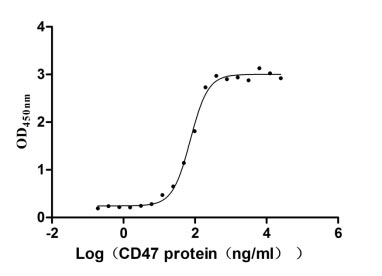
Recombinant Human Leukocyte surface antigen CD47 (CD47), partial (Active)
Express system: Mammalian cell
Species: Homo sapiens (Human)
-
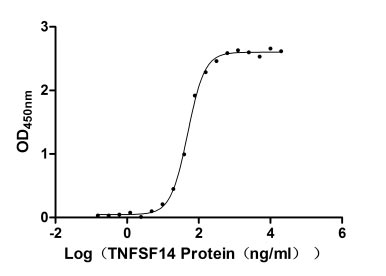
Recombinant Human Tumor necrosis factor ligand superfamily member 14 (TNFSF14), partial (Active)
Express system: Mammalian cell
Species: Homo sapiens (Human)
-
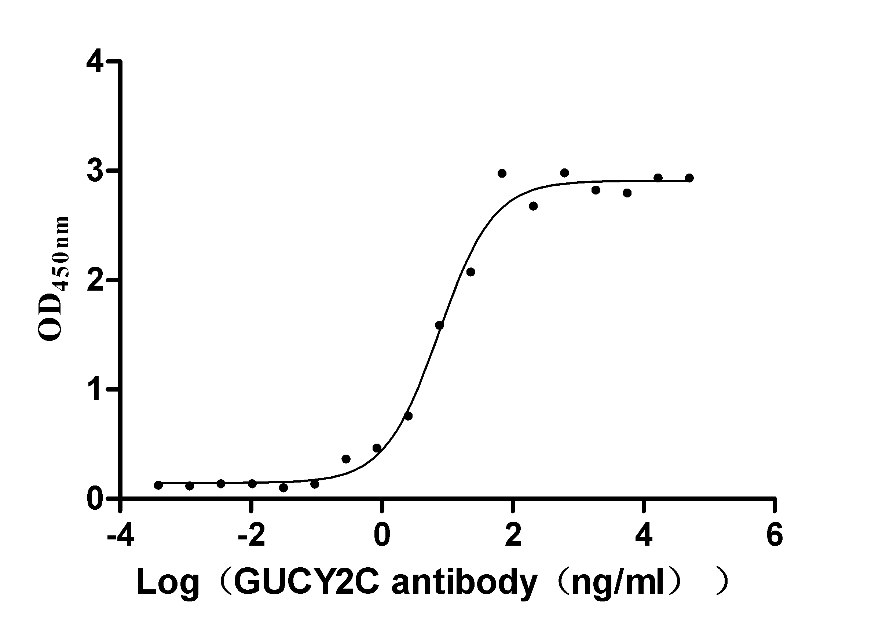
Recombinant Human Heat-stable enterotoxin receptor (GUCY2C), partial (Active)
Express system: Mammalian cell
Species: Homo sapiens (Human)
-
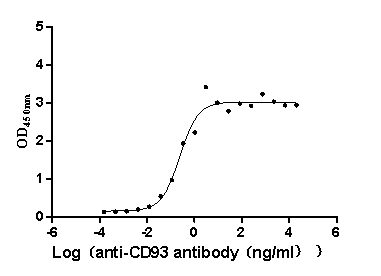
Recombinant Macaca fascicularis CD93 molecule (CD93), partial (Active)
Express system: Mammalian cell
Species: Macaca fascicularis (Crab-eating macaque) (Cynomolgus monkey)
-
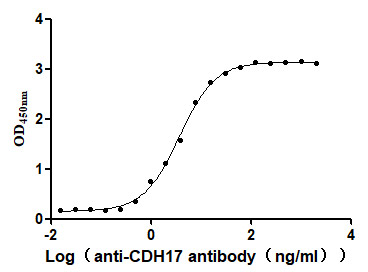
Recombinant Human Cadherin-17 (CDH17), partial (Active)
Express system: Mammalian cell
Species: Homo sapiens (Human)
-
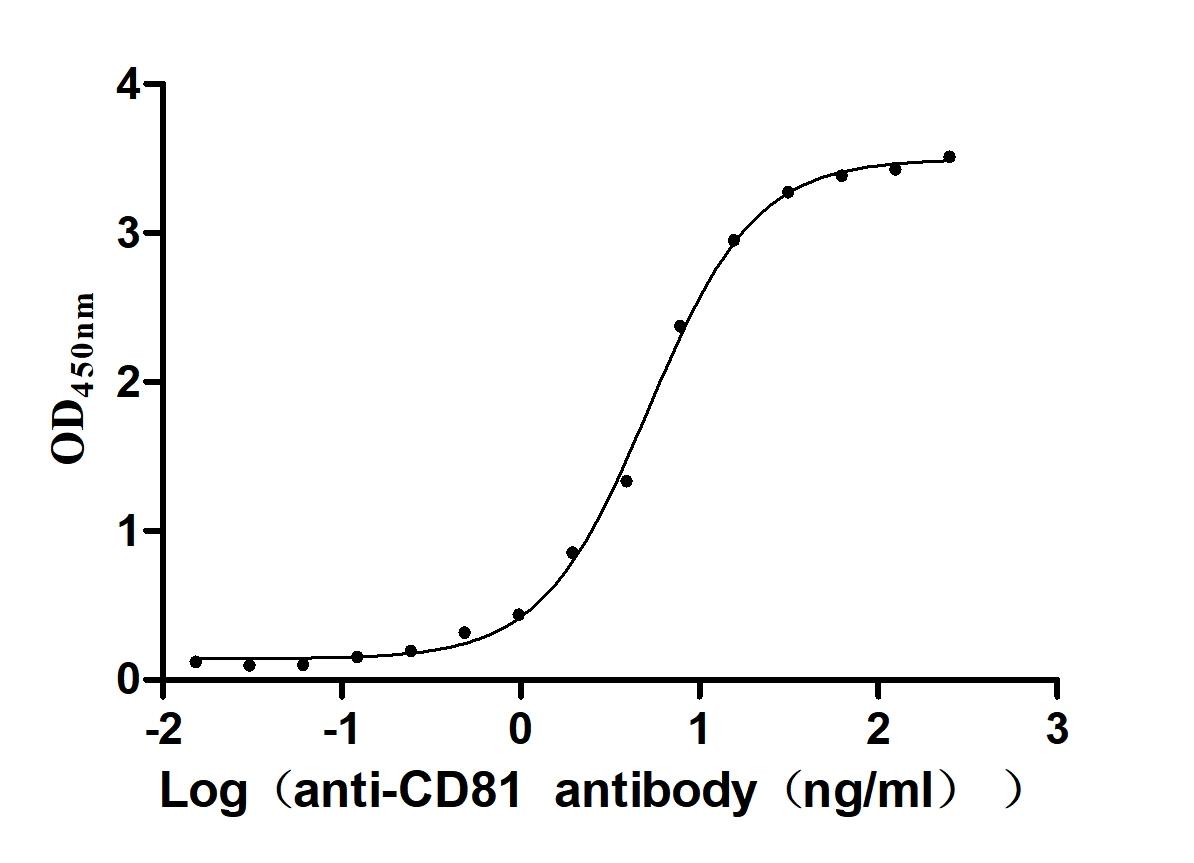
Recombinant Human CD81 antigen (CD81), partial (Active)
Express system: Mammalian cell
Species: Homo sapiens (Human)
-
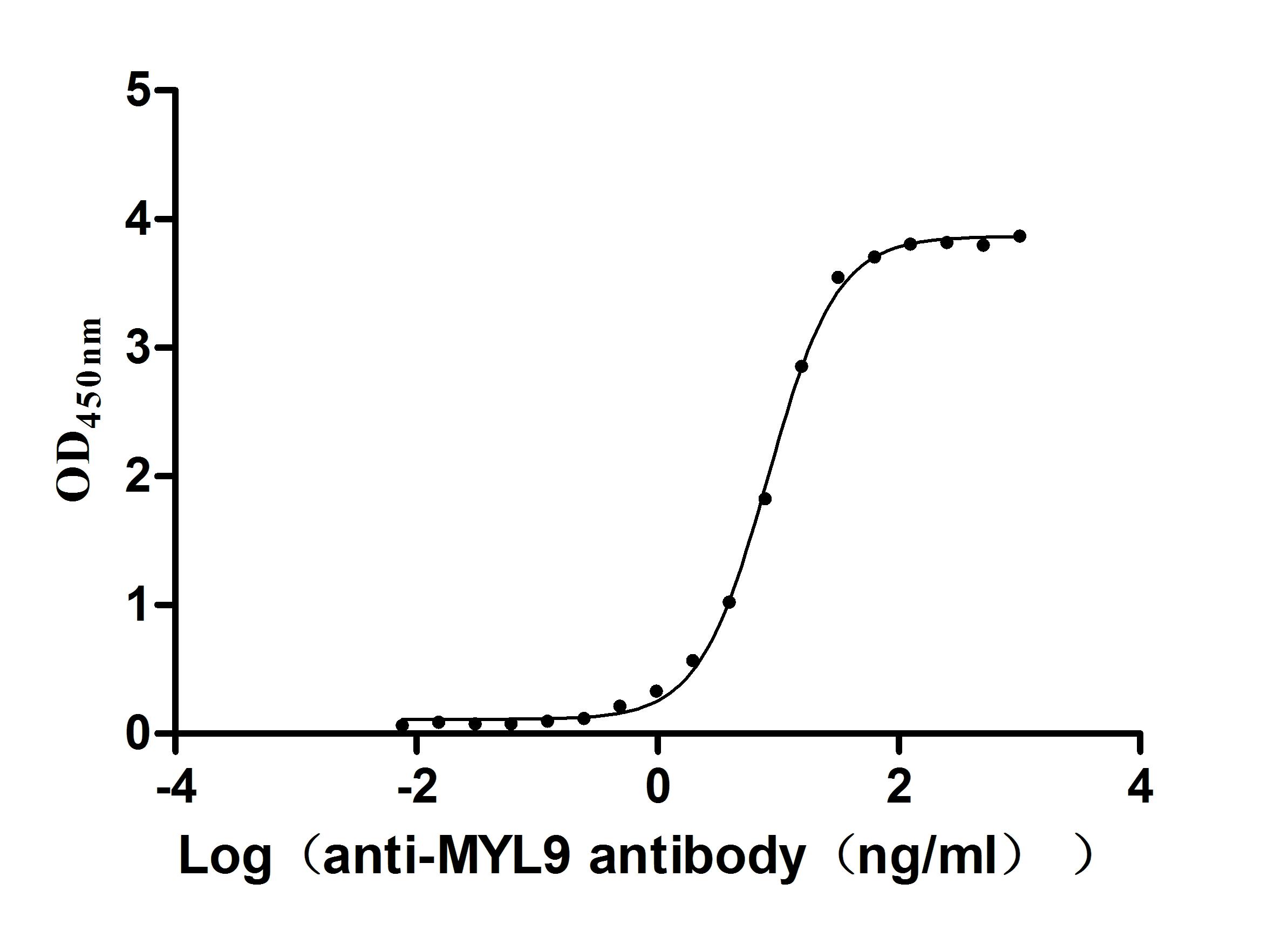
Recombinant Human Myosin regulatory light chain 12B (MYL12B) (Active)
Express system: E.coli
Species: Homo sapiens (Human)
-
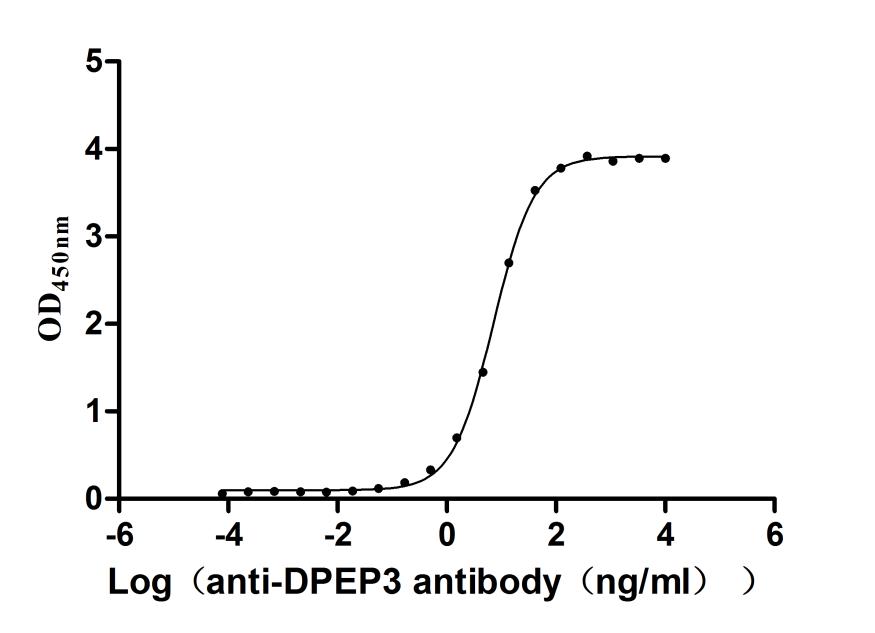
Recombinant Human Dipeptidase 3(DPEP3), partial (Active)
Express system: Mammalian cell
Species: Homo sapiens (Human)