Recombinant Human Nuclear protein 1 (NUPR1)
-
中文名稱:人NUPR1重組蛋白
-
貨號(hào):CSB-YP527662HU
-
規(guī)格:
-
來源:Yeast
-
其他:
-
中文名稱:人NUPR1重組蛋白
-
貨號(hào):CSB-EP527662HU
-
規(guī)格:
-
來源:E.coli
-
其他:
-
中文名稱:人NUPR1重組蛋白
-
貨號(hào):CSB-EP527662HU-B
-
規(guī)格:
-
來源:E.coli
-
共軛:Avi-tag Biotinylated
E. coli biotin ligase (BirA) is highly specific in covalently attaching biotin to the 15 amino acid AviTag peptide. This recombinant protein was biotinylated in vivo by AviTag-BirA technology, which method is BriA catalyzes amide linkage between the biotin and the specific lysine of the AviTag.
-
其他:
-
中文名稱:人NUPR1重組蛋白
-
貨號(hào):CSB-BP527662HU
-
規(guī)格:
-
來源:Baculovirus
-
其他:
-
中文名稱:人NUPR1重組蛋白
-
貨號(hào):CSB-MP527662HU
-
規(guī)格:
-
來源:Mammalian cell
-
其他:
產(chǎn)品詳情
-
純度:>85% (SDS-PAGE)
-
基因名:NUPR1
-
Uniprot No.:
-
別名:Candidate of metastasis 1; COM1; Nuclear protein 1; Nupr1; NUPR1_HUMAN; p8 protein; Protein p8
-
種屬:Homo sapiens (Human)
-
蛋白長(zhǎng)度:full length protein
-
表達(dá)區(qū)域:1-82
-
氨基酸序列MATFPPATSA PQQPPGPEDE DSSLDESDLY SLAHSYLGGG GRKGRTKREA AANTNRPSPG GHERKLVTKL QNSERKKRGA RR
-
蛋白標(biāo)簽:Tag?type?will?be?determined?during?the?manufacturing?process.
The tag type will be determined during production process. If you have specified tag type, please tell us and we will develop the specified tag preferentially. -
產(chǎn)品提供形式:Lyophilized powder
Note: We will preferentially ship the format that we have in stock, however, if you have any special requirement for the format, please remark your requirement when placing the order, we will prepare according to your demand. -
復(fù)溶:We recommend that this vial be briefly centrifuged prior to opening to bring the contents to the bottom. Please reconstitute protein in deionized sterile water to a concentration of 0.1-1.0 mg/mL.We recommend to add 5-50% of glycerol (final concentration) and aliquot for long-term storage at -20℃/-80℃. Our default final concentration of glycerol is 50%. Customers could use it as reference.
-
儲(chǔ)存條件:Store at -20°C/-80°C upon receipt, aliquoting is necessary for mutiple use. Avoid repeated freeze-thaw cycles.
-
保質(zhì)期:The shelf life is related to many factors, storage state, buffer ingredients, storage temperature and the stability of the protein itself.
Generally, the shelf life of liquid form is 6 months at -20°C/-80°C. The shelf life of lyophilized form is 12 months at -20°C/-80°C. -
貨期:Delivery time may differ from different purchasing way or location, please kindly consult your local distributors for specific delivery time.Note: All of our proteins are default shipped with normal blue ice packs, if you request to ship with dry ice, please communicate with us in advance and extra fees will be charged.
-
注意事項(xiàng):Repeated freezing and thawing is not recommended. Store working aliquots at 4°C for up to one week.
-
Datasheet :Please contact us to get it.
產(chǎn)品評(píng)價(jià)

相關(guān)產(chǎn)品
靶點(diǎn)詳情
-
功能:Transcription regulator that converts stress signals into a program of gene expression that empowers cells with resistance to the stress induced by a change in their microenvironment. Thereby participates in regulation of many process namely cell-cycle, apoptosis, autophagy and DNA repair responses. Controls cell cycle progression and protects cells from genotoxic stress induced by doxorubicin through the complex formation with TP53 and EP300 that binds CDKN1A promoter leading to transcriptional induction of CDKN1A. Protects pancreatic cancer cells from stress-induced cell death by binding the RELB promoter and activating its transcription, leading to IER3 transactivation. Negatively regulates apoptosis through interaction with PTMA. Inhibits autophagy-induced apoptosis in cardiac cells through FOXO3 interaction, inducing cytoplasmic translocation of FOXO3 thereby preventing the FOXO3 association with the pro-autophagic BNIP3 promoter. Inhibits cell growth and facilitates programmed cell death by apoptosis after adriamycin-induced DNA damage through transactivation of TP53. Regulates methamphetamine-induced apoptosis and autophagy through DDIT3-mediated endoplasmic reticulum stress pathway. Participates in DNA repair following gamma-irradiation by facilitating DNA access of the transcription machinery through interaction with MSL1 leading to inhibition of histone H4' Lys-16' acetylation (H4K16ac). Coactivator of PAX2 transcription factor activity, both by recruiting EP300 to increase PAX2 transcription factor activity and by binding PAXIP1 to suppress PAXIP1-induced inhibition on PAX2. Positively regulates cell cycle progression through interaction with COPS5 inducing cytoplasmic translocation of CDKN1B leading to the CDKN1B degradation. Coordinates, through its interaction with EP300, the assiociation of MYOD1, EP300 and DDX5 to the MYOG promoter, leading to inhibition of cell-cycle progression and myogenic differentiation promotion. Negatively regulates beta cell proliferation via inhibition of cell-cycle regulatory genes expression through the suppression of their promoter activities. Also required for LHB expression and ovarian maturation. Exacerbates CNS inflammation and demyelination upon cuprizone treatment.
-
基因功能參考文獻(xiàn):
- High NUPR1 expression is associated with multiple myeloma. PMID: 30015974
- Knockdown of nuclear protein-1 inhibits the proliferation of humans glioblastoma cells via ERK1/2, p38 MAPK and caspase-3. PMID: 28000106
- NUPR1/RELB/IER3/RUNX2 pathway has a pivotal role in hepatocarcinogenesis. PMID: 27336713
- Hexavalent Cr(VI) induces Nupr1 and rapidly perturbs gene expression by downregulating H4K16 acetylation, thereby contributing to Cr(VI)-induced carcinogenesis. PMID: 27285315
- findings suggest that local interactions and hydrophobic effects play a major role in determining the electrostatic features of NUPR1, whereas long-range charge contributions appear to be of lesser importance. PMID: 27046343
- Nupr1 acts as a gene modifier of the effect of Kras(G12D)-induced senescence by regulating Dnmt1 expression and consequently genome-wide levels of DNA methylation. PMID: 26617245
- Hepatitis B virus X (HBx) protein can modulate NUPR1 expression through the Smad4 pathway and NUPR1 has a role in hepatocellular carcinoma progression. PMID: 26392315
- Mitochondrial respiratory defects and subsequent retrograde signaling, particularly the NUPR1-granulin pathway, play pivotal roles in liver cancer progression PMID: 26173068
- Functional characterization of NUPR1L as a new p53-induced gene, which negatively regulates the protumoral factor NUPR1. PMID: 25899918
- Knockdown of Nupr1 inhibited the proliferation and migration of HepG2 hepatocellular carcinoma cells PMID: 26062422
- NUPR1 has been conserved throughout evolution, and over time it has undergone duplications and transpositions to form other transcriptional regulators. PMID: 25056123
- Increase of NUPR1 protein expression is associated with endometrial cancer invasion. PMID: 25924802
- P8 and MEG3 mRNA levels were significantly lower in nonfunctioning and corticotroph adenomas compared with normal pituitary. PMID: 25126861
- The Nupr1 protein bound to chemically-damaged-DNA with a slightly larger affinity (0.4 microM), but in an enthalpically-driven process. Nupr1 showed different interacting regions in the formed complexes with Nupr1 or DNA PMID: 24205110
- Stress-inducible nuclear protein 1 regulates matrix metalloproteinase 13 expression in human articular chondrocytes. PMID: 24497499
- COM1 is a potential tumour suppressor in human bladder cancer. PMID: 23443904
- NUPR1 negatively regulates autophagy-mediated cell death via AURKA, in line with the idea of a tumor suppressor role of autophagy in cancer. PMID: 23047430
- The simultaneous gain of NUPR1 and ERBB2 can be a significant predictor of poor prognosis in early-stage breast cancers. PMID: 22938721
- Our data reveal that Nupr1 is involved in a defense mechanism that promotes pancreatic cancer cell survival when exposed to metabolic stress PMID: 22899799
- NUPR1 gene represents a promising target for gene silencing therapy in nonsmall cell lung cancer. PMID: 22961798
- These data indicate a protective role for homotypic cell cannibalism in pancreatic adenocarcinoma and identifies Nupr1 as a molecular regulator of this process. PMID: 22821859
- findings elucidate a NUPR1-PI-3-K/Akt-phospho-p21 axis that functions in p53-negative, inflammatory breast cancer cells to enhance chemoresistance PMID: 22858377
- a NUPR1/RELB/IER3 stress-related pathway that is required for oncogenic Kras(G12D)-dependent transformation of the pancreas. PMID: 22565310
- COM-1 is an anti-apoptotic gene and a cell growth promoter. Furthermore, the PPARgamma agonist could increase the inhibitory effect seen in COM-1 knock-down cell growth and to promote apoptosis PMID: 22493353
- Role played by a pivotal actor of the cell stress response, the p8 protein, during carcinogenesis. PMID: 19942374
- p8 expression controls pancreatic cancer cell migration, invasion and adhesion, three processes required for metastasis, at least in part, through CDC42, a major regulator of cytoskeleton organization. PMID: 21344397
- Studies indicate that in pancreatic cancer, high levels of p8 protein expression correlate with low apoptosis. PMID: 20890585
- A role for the transcriptional regulator p8 in autophagy, is demonstrated. PMID: 20181828
- COM-1, although overexpressed at the messenger level, appears to be distributed in a cytoplasmic fashion at the protein level in tumours. PMID: 20335521
- Nuclear protein 1 induced by ATF4 in response to various stressors acts as a positive regulator on the transcriptional activation of ATF4 PMID: 19946894
- The HMG-I/Y-related protein p8 binds to p300 and Pax2 trans-activation domain-interacting protein to regulate the trans-activation activity of the Pax2A and Pax2B transcription factors on the glucagon gene promoter. PMID: 11940591
- clinical and cell line specific expression identified in experimental central nervous system metastases PMID: 12174869
- The fate of Com-1 can be dually regulated by oestrogen and ubiquitin pathway PMID: 15781258
- CCM1 gene mutation of 1292delAT may contribute to cerebral cavernous malformations. PMID: 15854263
- p8 expression plays an important role in the progression of medullary thyroid carcinoma, but does not have an anti-apoptotic function. PMID: 16101158
- The results suggest that p8 growth stage-dependent localization is regulated by acetylation, that p8 is not free within the cell but forming part of a complex and that it may exert a role in both subcellular localizations. PMID: 16294328
- The knock-down of p8 expression results in a strong inhibition of Jab1 activity. PMID: 16300740
- Antiapoptotic response of cells requires expression of both p8 and ProTalpha. PMID: 16478804
- the anti-apoptotic effect previously attributed separately to p8 and prothymosin alpha is in fact borne by the p8/ProTalpha complex, the two proteins being individually inactive PMID: 16628001
- Com-1/p8 is a potential tumour suppressor in human prostate cancer. PMID: 17016631
- SYT-SSX1 fusion protein directly down-regulated the expression of COM1, a regulator of cell proliferation. PMID: 17101797
- These results identify an unexpectedly broad involvement for p8 in key cellular events linked to cardiomyocyte hypertrophy and cardiac fibroblast matrix metalloproteases production, both of which occur in heart failure. PMID: 17116693
- Upregulation of NUPR1 is associated with aggressive breast cancer. PMID: 18690848
- nuclear protein 1 (NUPR1) has a role in cancer progression [review] PMID: 19153668
- MSL1 plays an important role in mediating irradiation-induced DNA repair through formation of HAT complexes and interaction with 53BP1. P8 acts as a negative regulator of this process by interacting with MSL1 and preventing its role on HAT activity. PMID: 19650074
顯示更多
收起更多
-
亞細(xì)胞定位:Nucleus. Cytoplasm. Cytoplasm, perinuclear region.
-
蛋白家族:NUPR family
-
組織特異性:Widely expressed, with high levels in liver, pancreas, prostate, ovary, colon, thyroid, spinal cord, trachea and adrenal gland, moderate levels in heart, placenta, lung, skeletal muscle, kidney, testis, small intestine, stomach and lymph node, and low lev
-
數(shù)據(jù)庫(kù)鏈接:
Most popular with customers
-
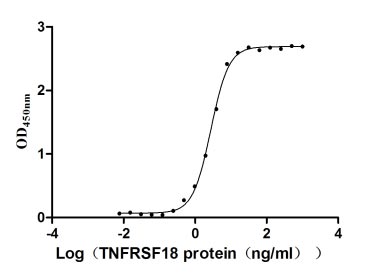
Recombinant Human Tumor necrosis factor receptor superfamily member 18 (TNFRSF18), partial (Active)
Express system: Mammalian cell
Species: Homo sapiens (Human)
-
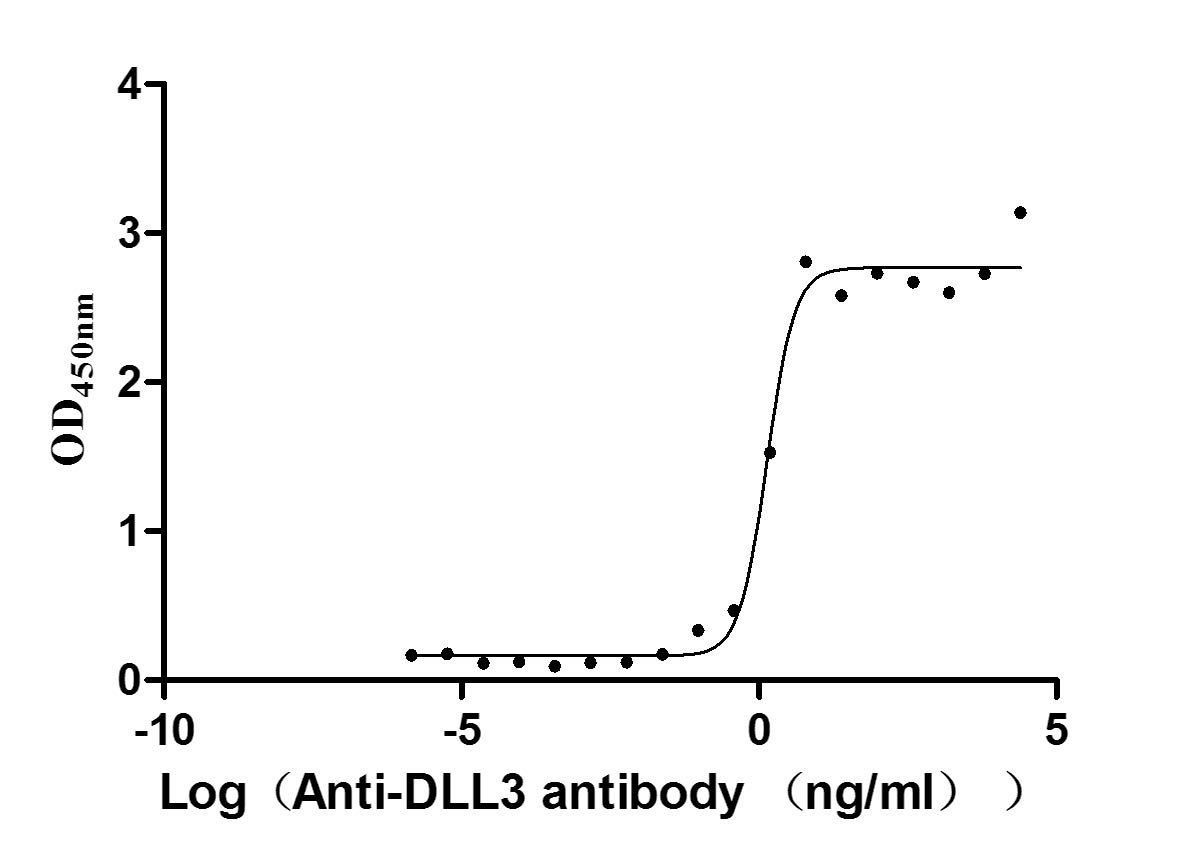
Recombinant Human Delta-like protein 3 (DLL3), partial (Active)
Express system: Mammalian cell
Species: Homo sapiens (Human)
-
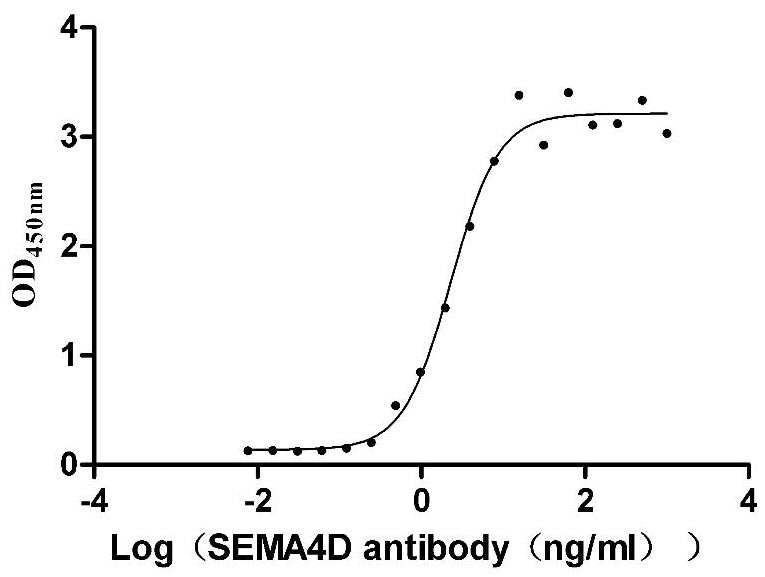
Recombinant Macaca mulatta Semaphorin-4D isoform 1 (SEMA4D), partial (Active)
Express system: Mammalian cell
Species: Macaca mulatta (Rhesus macaque)
-
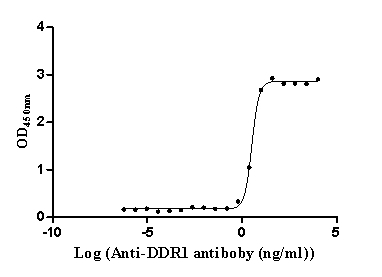
Recombinant Human Epithelial discoidin domain-containing receptor 1 (DDR1), partial (Active)
Express system: Mammalian cell
Species: Homo sapiens (Human)
-
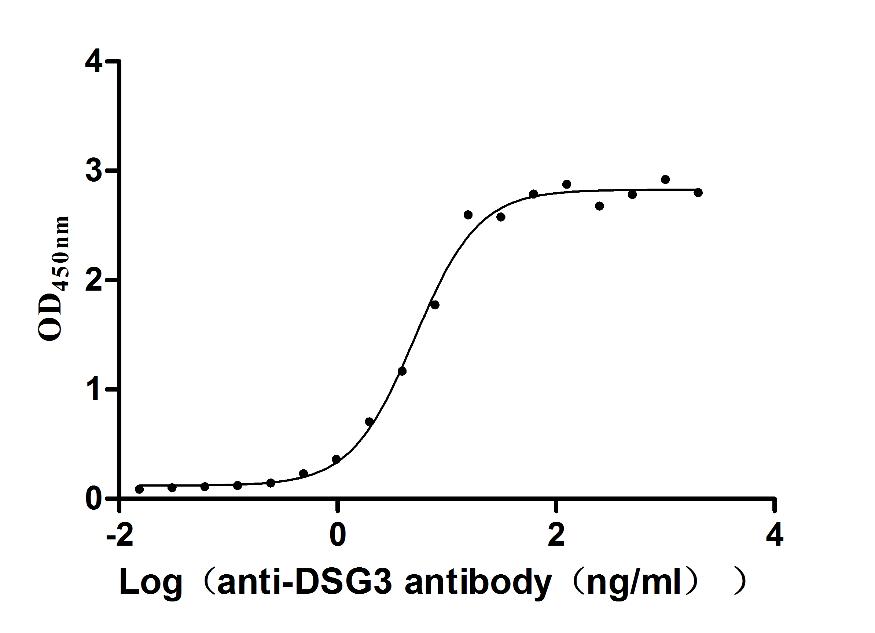
Recombinant Human Desmoglein-3 (DSG3), partial (Active)
Express system: Baculovirus
Species: Homo sapiens (Human)
-
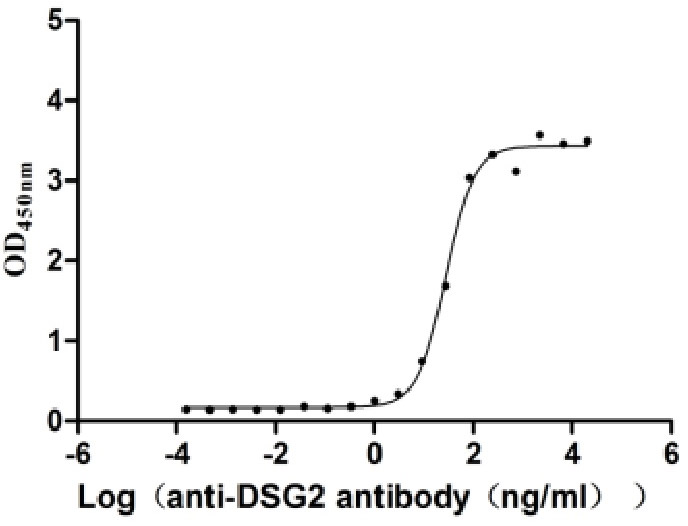
Recombinant Human Desmoglein-2 (DSG2), partial (Active)
Express system: Mammalian cell
Species: Homo sapiens (Human)
-
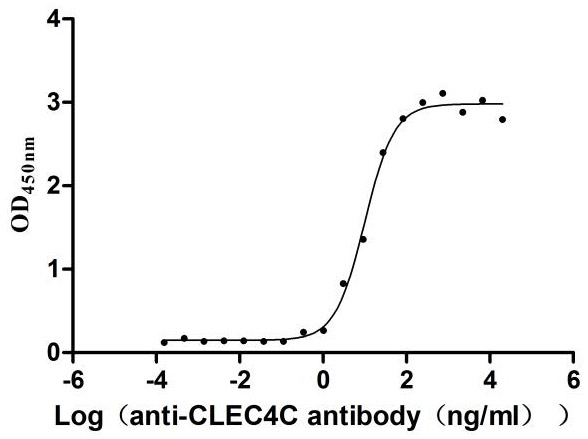
Recombinant Human C-type lectin domain family 4 member C (CLEC4C), partial (Active)
Express system: Mammalian cell
Species: Homo sapiens (Human)
-
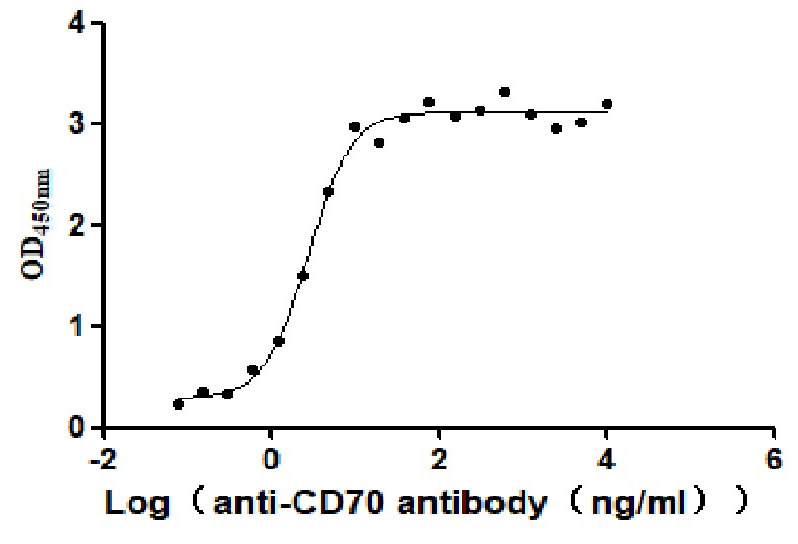
Recombinant Human CD70 antigen (CD70), partial (Active)
Express system: Mammalian cell
Species: Homo sapiens (Human)