
Recombinant Human Glycine N-acyltransferase (GLYAT)
-
中文名稱:人GLYAT重組蛋白
-
貨號(hào):CSB-YP753687HU
-
規(guī)格:
-
來(lái)源:Yeast
-
其他:
-
中文名稱:人GLYAT重組蛋白
-
貨號(hào):CSB-EP753687HU
-
規(guī)格:
-
來(lái)源:E.coli
-
其他:
-
中文名稱:人GLYAT重組蛋白
-
貨號(hào):CSB-EP753687HU-B
-
規(guī)格:
-
來(lái)源:E.coli
-
共軛:Avi-tag Biotinylated
E. coli biotin ligase (BirA) is highly specific in covalently attaching biotin to the 15 amino acid AviTag peptide. This recombinant protein was biotinylated in vivo by AviTag-BirA technology, which method is BriA catalyzes amide linkage between the biotin and the specific lysine of the AviTag.
-
其他:
-
中文名稱:人GLYAT重組蛋白
-
貨號(hào):CSB-BP753687HU
-
規(guī)格:
-
來(lái)源:Baculovirus
-
其他:
-
中文名稱:人GLYAT重組蛋白
-
貨號(hào):CSB-MP753687HU
-
規(guī)格:
-
來(lái)源:Mammalian cell
-
其他:
產(chǎn)品詳情
-
純度:>85% (SDS-PAGE)
-
基因名:GLYAT
-
Uniprot No.:
-
別名:GLYAT; ACGNAT; CAT; GATGlycine N-acyltransferase; EC 2.3.1.13; Acyl-CoA:glycine N-acyltransferase; AAc; Aralkyl acyl-CoA N-acyltransferase; Aralkyl acyl-CoA:amino acid N-acyltransferase; Benzoyl-coenzyme A:glycine N-acyltransferase; Glycine N-benzoyltransferase; EC 2.3.1.71; HRP-1(CLP)
-
種屬:Homo sapiens (Human)
-
蛋白長(zhǎng)度:full length protein
-
表達(dá)區(qū)域:1-296
-
氨基酸序列MMLPLQGAQM LQMLEKSLRK SLPASLKVYG TVFHINHGNP FNLKAVVDKW PDFNTVVVCP QEQDMTDDLD HYTNTYQIYS KDPQNCQEFL GSPELINWKQ HLQIQSSQPS LNEAIQNLAA IKSFKVKQTQ RILYMAAETA KELTPFLLKS KILSPNGGKP KAINQEMFKL SSMDVTHAHL VNKFWHFGGN ERSQRFIERC IQTFPTCCLL GPEGTPVCWD LMDQTGEMRM AGTLPEYRLH GLVTYVIYSH AQKLGKLGFP VYSHVDYSNE AMQKMSYTLQ HVPIPRSWNQ WNCVPL
-
蛋白標(biāo)簽:Tag?type?will?be?determined?during?the?manufacturing?process.
The tag type will be determined during production process. If you have specified tag type, please tell us and we will develop the specified tag preferentially. -
產(chǎn)品提供形式:Lyophilized powder
Note: We will preferentially ship the format that we have in stock, however, if you have any special requirement for the format, please remark your requirement when placing the order, we will prepare according to your demand. -
復(fù)溶:We recommend that this vial be briefly centrifuged prior to opening to bring the contents to the bottom. Please reconstitute protein in deionized sterile water to a concentration of 0.1-1.0 mg/mL.We recommend to add 5-50% of glycerol (final concentration) and aliquot for long-term storage at -20℃/-80℃. Our default final concentration of glycerol is 50%. Customers could use it as reference.
-
儲(chǔ)存條件:Store at -20°C/-80°C upon receipt, aliquoting is necessary for mutiple use. Avoid repeated freeze-thaw cycles.
-
保質(zhì)期:The shelf life is related to many factors, storage state, buffer ingredients, storage temperature and the stability of the protein itself.
Generally, the shelf life of liquid form is 6 months at -20°C/-80°C. The shelf life of lyophilized form is 12 months at -20°C/-80°C. -
貨期:Delivery time may differ from different purchasing way or location, please kindly consult your local distributors for specific delivery time.Note: All of our proteins are default shipped with normal blue ice packs, if you request to ship with dry ice, please communicate with us in advance and extra fees will be charged.
-
注意事項(xiàng):Repeated freezing and thawing is not recommended. Store working aliquots at 4°C for up to one week.
-
Datasheet :Please contact us to get it.
產(chǎn)品評(píng)價(jià)

相關(guān)產(chǎn)品
靶點(diǎn)詳情
-
功能:Mitochondrial acyltransferase which transfers an acyl group to the N-terminus of glycine and glutamine, although much less efficiently. Can conjugate numerous substrates to form a variety of N-acylglycines, with a preference for benzoyl-CoA over phenylacetyl-CoA as acyl donors. Thereby detoxify xenobiotics, such as benzoic acid or salicylic acid, and endogenous organic acids, such as isovaleric acid.
-
基因功能參考文獻(xiàn):
- GLYAT exhibits mechanistic kinetic cooperativity towards its substrate glycine. PMID: 28759163
- Data indicate that Afrikaner caucasians have a Q61L single nucleotide polymorphism (SNP) occurring at a high frequency (12%). PMID: 26149650
- SNP variations causing amino acid substitutions in the human GLYAT gene influence the kinetic properties of the enzyme. PMID: 23237781
- We identify GLYAT gene which appears to co-regulate bone size phenotypes (BSPs) and appendicular lean mass (ALM). PMID: 23108985
- hGLYAT is a good candidate as a novel marker of hepatocellular carcinoma and may be a key molecule in the transition between differentiation and carcinogenesis of liver cells. PMID: 22475485
- The aim of this work was to report a comprehensive investigation of GLYAT genetic polymorphisms in DNA samples from 55 subjects of French Caucasian origin. PMID: 20925583
顯示更多
收起更多
-
亞細(xì)胞定位:Mitochondrion.
-
蛋白家族:Glycine N-acyltransferase family
-
組織特異性:Predominantly expressed in liver (at protein level) and kidney. Down-regulated in hepatocellular carcinoma and other liver cancers.
-
數(shù)據(jù)庫(kù)鏈接:
Most popular with customers
-
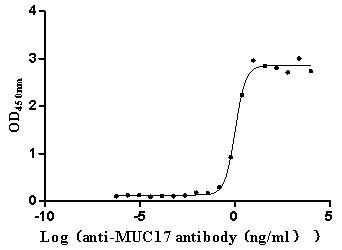
Recombinant Human Mucin-17 (MUC17), partial (Active)
Express system: Mammalian cell
Species: Homo sapiens (Human)
-
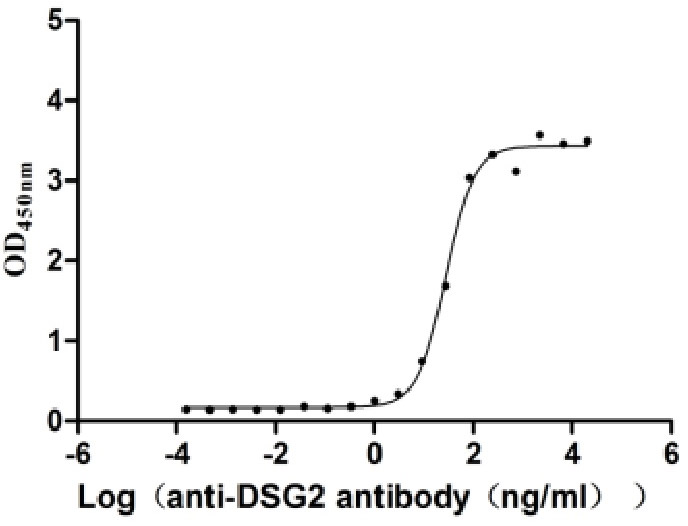
Recombinant Human Desmoglein-2 (DSG2), partial (Active)
Express system: Mammalian cell
Species: Homo sapiens (Human)
-
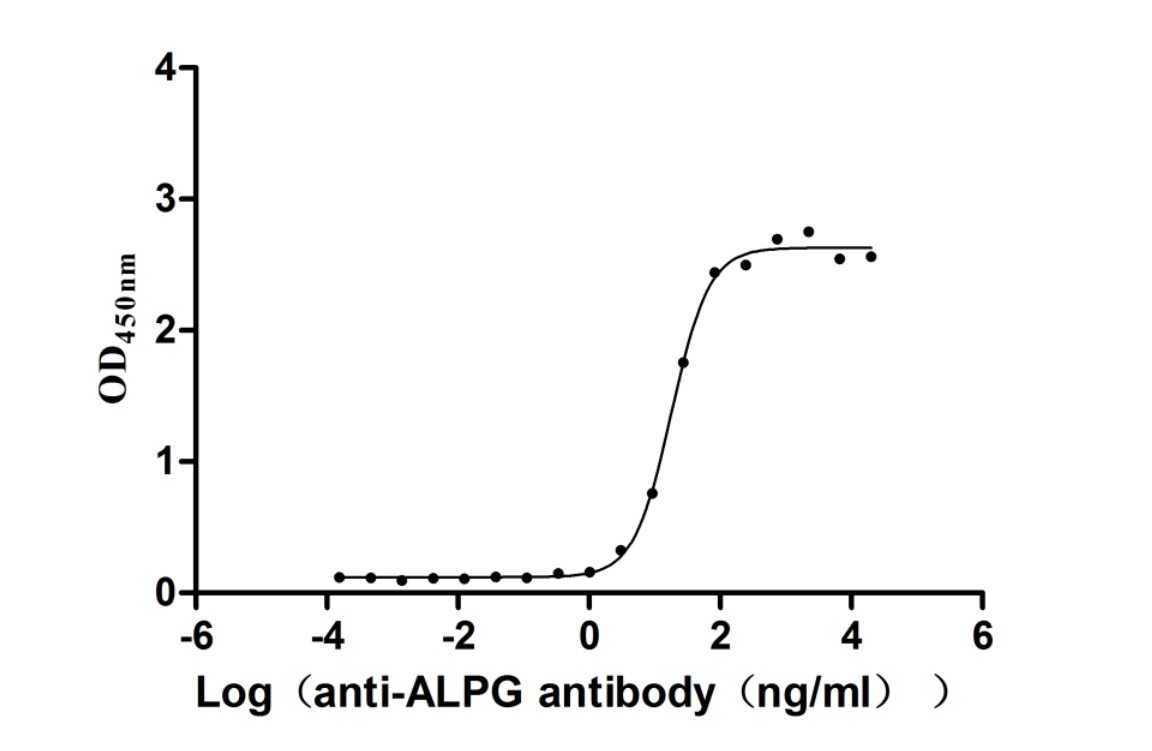
Recombinant Human Alkaline phosphatase, germ cell type (ALPG) (Active)
Express system: Mammalian cell
Species: Homo sapiens (Human)
-
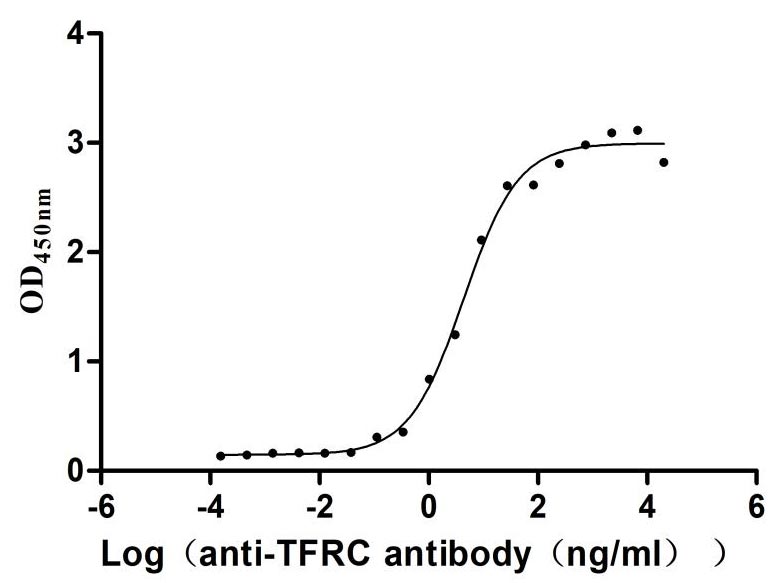
Recombinant Human Transferrin receptor protein 1 (TFRC), partial (Active)
Express system: Mammalian cell
Species: Homo sapiens (Human)
-
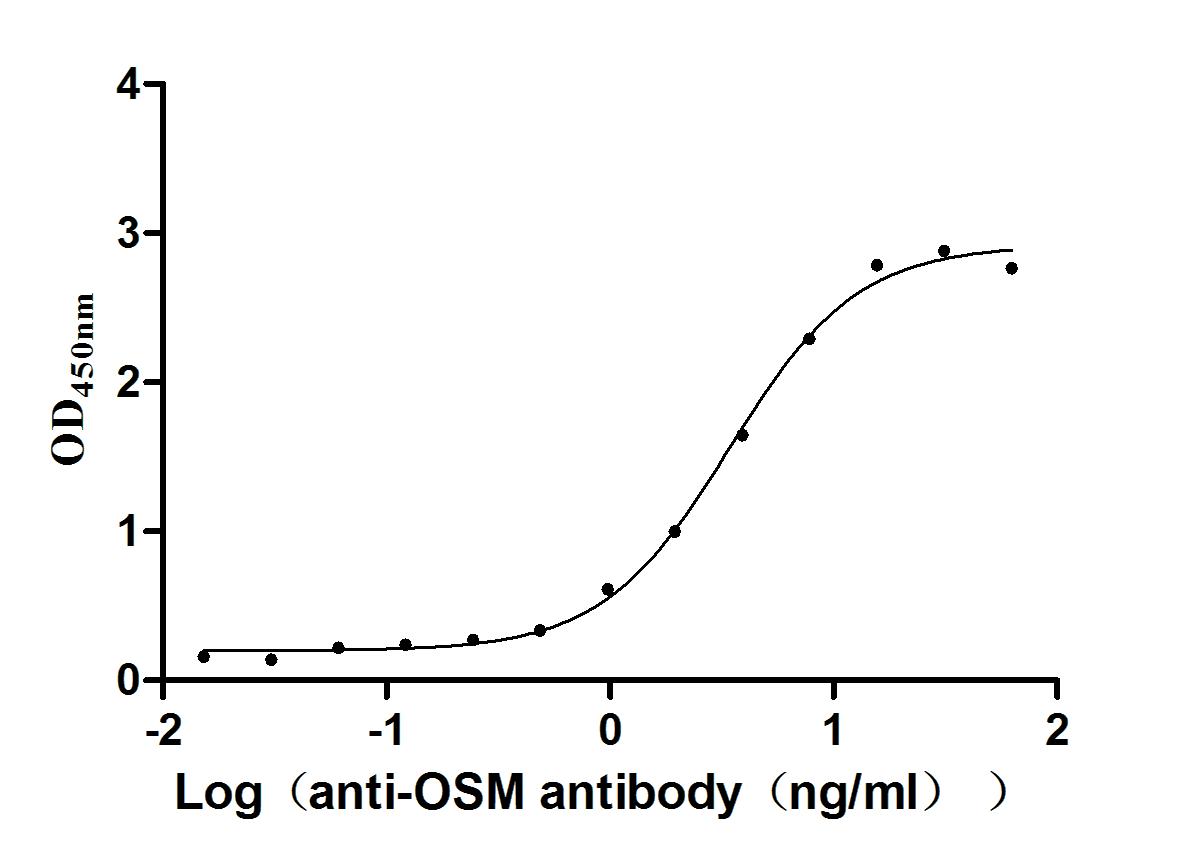
Recombinant Human Oncostatin-M (OSM), partial (Active)
Express system: Mammalian cell
Species: Homo sapiens (Human)
-
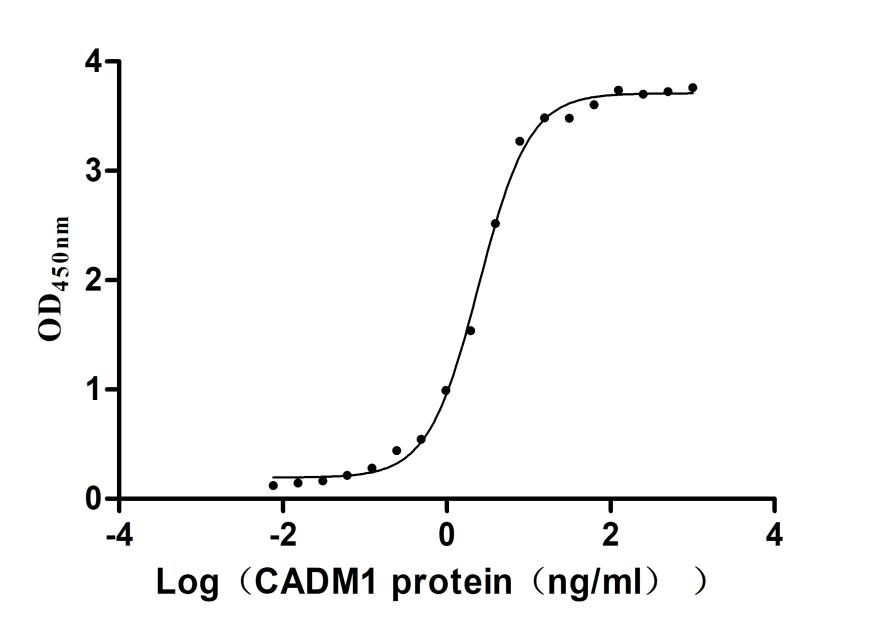
Recombinant Human Cytotoxic and regulatory T-cell molecule (CRTAM), partial (Active)
Express system: Mammalian cell
Species: Homo sapiens (Human)
-
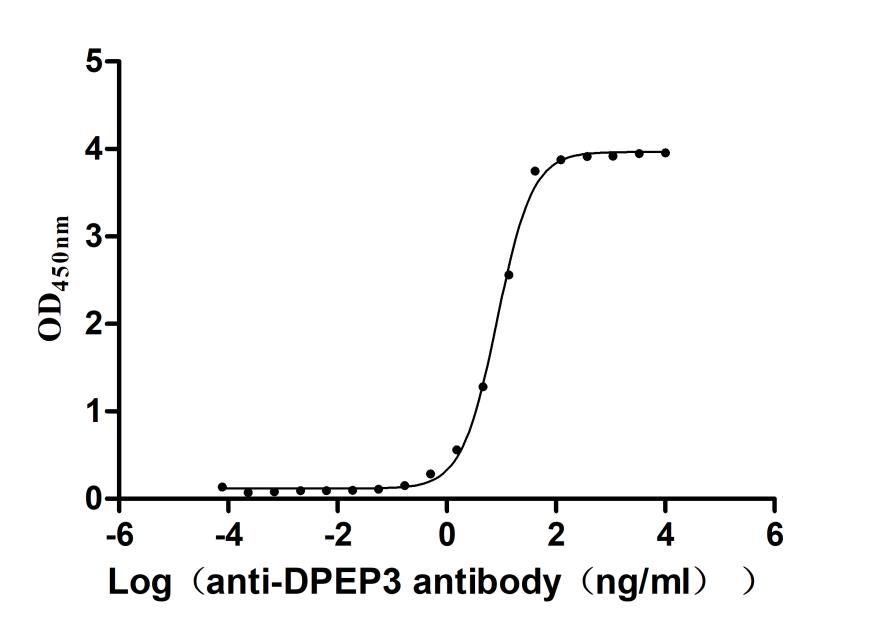
Recombinant Macaca fascicularis Dipeptidase 3(DPEP3) (Active)
Express system: Mammalian cell
Species: Macaca fascicularis (Crab-eating macaque) (Cynomolgus monkey)