
Recombinant Human Fibroblast growth factor receptor substrate 2 (FRS2)
-
中文名稱:人FRS2重組蛋白
-
貨號(hào):CSB-YP009004HU
-
規(guī)格:
-
來(lái)源:Yeast
-
其他:
-
中文名稱:人FRS2重組蛋白
-
貨號(hào):CSB-EP009004HU
-
規(guī)格:
-
來(lái)源:E.coli
-
其他:
-
中文名稱:人FRS2重組蛋白
-
貨號(hào):CSB-EP009004HU-B
-
規(guī)格:
-
來(lái)源:E.coli
-
共軛:Avi-tag Biotinylated
E. coli biotin ligase (BirA) is highly specific in covalently attaching biotin to the 15 amino acid AviTag peptide. This recombinant protein was biotinylated in vivo by AviTag-BirA technology, which method is BriA catalyzes amide linkage between the biotin and the specific lysine of the AviTag.
-
其他:
-
中文名稱:人FRS2重組蛋白
-
貨號(hào):CSB-BP009004HU
-
規(guī)格:
-
來(lái)源:Baculovirus
-
其他:
-
中文名稱:人FRS2重組蛋白
-
貨號(hào):CSB-MP009004HU
-
規(guī)格:
-
來(lái)源:Mammalian cell
-
其他:
產(chǎn)品詳情
-
純度:>85% (SDS-PAGE)
-
基因名:
-
Uniprot No.:
-
別名:FGFR signaling adaptor SNT; FGFR signalling adaptor; FGFR substrate 2; FGFR-signaling adaptor SNT; Fibroblast growth factor receptor substrate 2; FRS 2; FRS2; FRS2_HUMAN; FRS2A; FRS2alpha; SNT 1; SNT; SNT-1; SNT1; Suc 1 Associated Neurotrophic Factor Target; Suc1 associated neurotrophic factor target 1; Suc1-associated neurotrophic factor target 1
-
種屬:Homo sapiens (Human)
-
蛋白長(zhǎng)度:Full Length of Mature Protein
-
表達(dá)區(qū)域:2-508
-
氨基酸序列GSCCSCPDK DTVPDNHRNK FKVINVDDDG NELGSGIMEL TDTELILYTR KRDSVKWHYL CLRRYGYDSN LFSFESGRRC QTGQGIFAFK CARAEELFNM LQEIMQNNSI NVVEEPVVER NNHQTELEVP RTPRTPTTPG FAAQNLPNGY PRYPSFGDAS SHPSSRHPSV GSARLPSVGE ESTHPLLVAE EQVHTYVNTT GVQEERKNRT SVHVPLEARV SNAESSTPKE EPSSIEDRDP QILLEPEGVK FVLGPTPVQK QLMEKEKLEQ LGRDQVSGSG ANNTEWDTGY DSDERRDAPS VNKLVYENIN GLSIPSASGV RRGRLTSTST SDTQNINNSA QRRTALLNYE NLPSLPPVWE ARKLSRDEDD NLGPKTPSLN GYHNNLDPMH NYVNTENVTV PASAHKIEYS RRRDCTPTVF NFDIRRPSLE HRQLNYIQVD LEGGSDSDNP QTPKTPTTPL PQTPTRRTEL YAVIDIERTA AMSNLQKALP RDDGTSRKTR HNSTDLPM
-
蛋白標(biāo)簽:Tag?type?will?be?determined?during?the?manufacturing?process.
The tag type will be determined during production process. If you have specified tag type, please tell us and we will develop the specified tag preferentially. -
產(chǎn)品提供形式:Lyophilized powder
Note: We will preferentially ship the format that we have in stock, however, if you have any special requirement for the format, please remark your requirement when placing the order, we will prepare according to your demand. -
復(fù)溶:We recommend that this vial be briefly centrifuged prior to opening to bring the contents to the bottom. Please reconstitute protein in deionized sterile water to a concentration of 0.1-1.0 mg/mL.We recommend to add 5-50% of glycerol (final concentration) and aliquot for long-term storage at -20℃/-80℃. Our default final concentration of glycerol is 50%. Customers could use it as reference.
-
儲(chǔ)存條件:Store at -20°C/-80°C upon receipt, aliquoting is necessary for mutiple use. Avoid repeated freeze-thaw cycles.
-
保質(zhì)期:The shelf life is related to many factors, storage state, buffer ingredients, storage temperature and the stability of the protein itself.
Generally, the shelf life of liquid form is 6 months at -20°C/-80°C. The shelf life of lyophilized form is 12 months at -20°C/-80°C. -
貨期:Delivery time may differ from different purchasing way or location, please kindly consult your local distributors for specific delivery time.Note: All of our proteins are default shipped with normal blue ice packs, if you request to ship with dry ice, please communicate with us in advance and extra fees will be charged.
-
注意事項(xiàng):Repeated freezing and thawing is not recommended. Store working aliquots at 4°C for up to one week.
-
Datasheet :Please contact us to get it.
產(chǎn)品評(píng)價(jià)

相關(guān)產(chǎn)品
靶點(diǎn)詳情
-
功能:Adapter protein that links activated FGR and NGF receptors to downstream signaling pathways. Plays an important role in the activation of MAP kinases and in the phosphorylation of PIK3R1, the regulatory subunit of phosphatidylinositol 3-kinase, in response to ligand-mediated activation of FGFR1. Modulates signaling via SHC1 by competing for a common binding site on NTRK1.
-
基因功能參考文獻(xiàn):
- loss of myristoylation of fibroblast growth factor receptor substrate 2 (FRS2alpha), a scaffold protein essential for FGFR signaling, inhibits FGF/FGFR-mediated oncogenic signaling and FGF10-induced tumorigenesis. Moreover, a previously synthesized myristoyl-CoA analog, B13, which targets the activity of N-myristoyltransferases. PMID: 29540482
- These findings suggest that FRS2 is amplified consistently in liposarcoma. PMID: 29368794
- MiR-4653-3p and its target gene FRS2 are may have roles in response of hormone receptor positive breast cancer patients to tamoxifen PMID: 27533459
- we report for the first time that PKD1 was tightly regulated by androgen at the transcriptional level in prostate cancer cells and was a novel androgen-repressed gene. Further analysis identified FRS2 as a novel mediator of androgen-induced PKD1 repression. PMID: 28077787
- They also demonstrate the potential of overexpressed FRS2alpha as a biomarker for prostate cancer diagnosis, prognosis and response to therapies. PMID: 26096936
- Results identify FRS2 as an oncogene in a subset of high-grade serous ovarian cancers that harbor FRS2 amplifications. PMID: 25368431
- Increased expression of FRS2alpha (and FGFR1) was associated with decreased progression-free survival among patients with metastatic renal cell carcinoma treated with sorafenib. PMID: 25900027
- The signaling complex appears to integrate the input from FGFR and EphA4, and release the output signal through FRS2alpha. PMID: 20184660
- These results establish the Frs2alpha-Shp2 complex as the key mediator of FGF signaling in lens development. PMID: 24284065
- The docking protein FRS2alpha is a critical regulator of VEGF receptors signaling. PMID: 24706887
- Patient with pigmentation disorders and vitiligo show decreased expression of mRNA. PMID: 22151832
- Data indicate that the FGFR/FRS2 signaling axis was generally activated in about 75% of FRS2-positive high-grade liposarcomas. PMID: 23393200
- Validated FRS2 amplification in both Well-differentiated liposarcoma and dedifferentiated liposarcoma. PMID: 21793095
- Microdeformations produced by the combination of polyurethane foam and suction are associated with increased fibroblast proliferation and up-regulation of gene expressions in fibroblasts PMID: 21233699
- Phosphorylation of Fibroblast growth factor receptor substrate 2alpha may function as a molecular switch in the FGF pathway, sensing and participating in crosstalk with other signaling pathways. PMID: 19652666
- FRS2 has a role in fibroblast growth factor-2-induced signaling PMID: 12571252
- findings support a broader role of FRS2 in EGFR-controlled signaling pathways in A-431 cells and provide insight into a molecular mechanism for ligand-stimulated feedback regulation with FRS2 as a central regulatory switch point PMID: 12974390
- Bisindolylmaleimide I does not inhibit FGF2-induced tyrosine phosphorylation of Frs2. PMID: 17145761
- an important function for FRS2 is to concentrate RET in membrane foci, leading to an engagement of specific signaling complexes localized in these membrane domains PMID: 18189271
- a dual mechanism where deletion of the 770YXXL773 motif promotes FGFR2 IIIb C3 transforming activity by causing aberrant receptor recycling and stability and persistent FRS2-dependent signaling. PMID: 19103595
- Mechanical wounding induces significant ROS generation at the wound edge which, in turn, induced ligand-independent KGFR and FRS2 activation via c-Src kinase signaling. PMID: 19111446
顯示更多
收起更多
-
亞細(xì)胞定位:Endomembrane system. Note=Cytoplasmic, membrane-bound.
-
組織特異性:Highly expressed in heart, brain, spleen, lung, liver, skeletal muscle, kidney and testis.
-
數(shù)據(jù)庫(kù)鏈接:
Most popular with customers
-
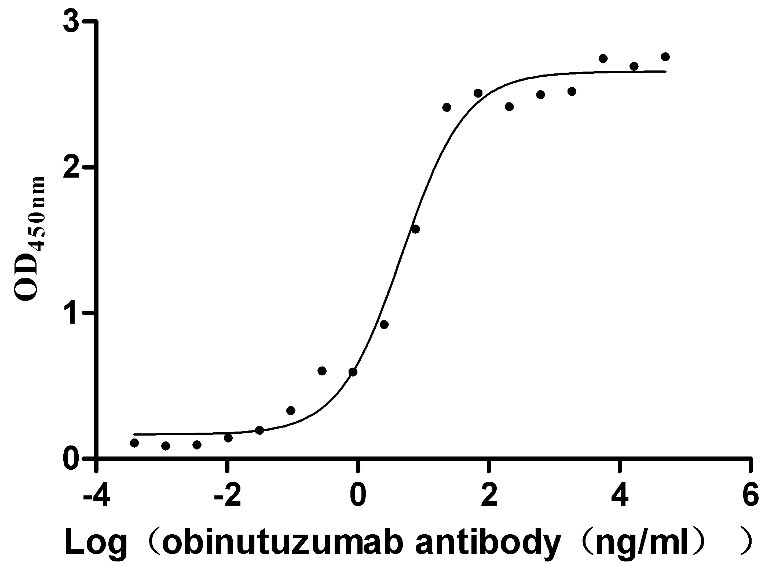
Recombinant Human B-lymphocyte antigen CD20 (MS4A1)-VLPs (Active)
Express system: Mammalian cell
Species: Homo sapiens (Human)
-
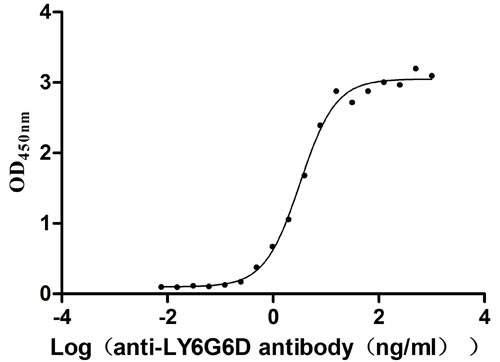
Recombinant Human Lymphocyte antigen 6 complex locus protein G6d (LY6G6D) (Active)
Express system: Yeast
Species: Homo sapiens (Human)
-
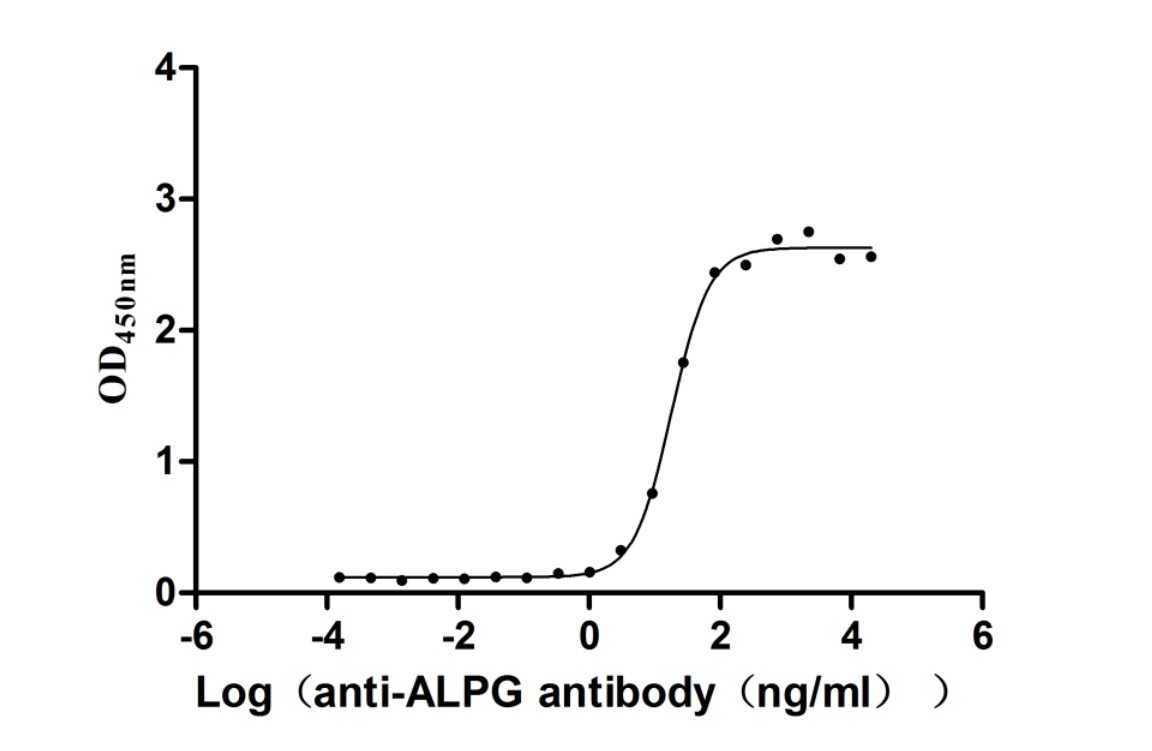
Recombinant Human Alkaline phosphatase, germ cell type (ALPG) (Active)
Express system: Mammalian cell
Species: Homo sapiens (Human)
-
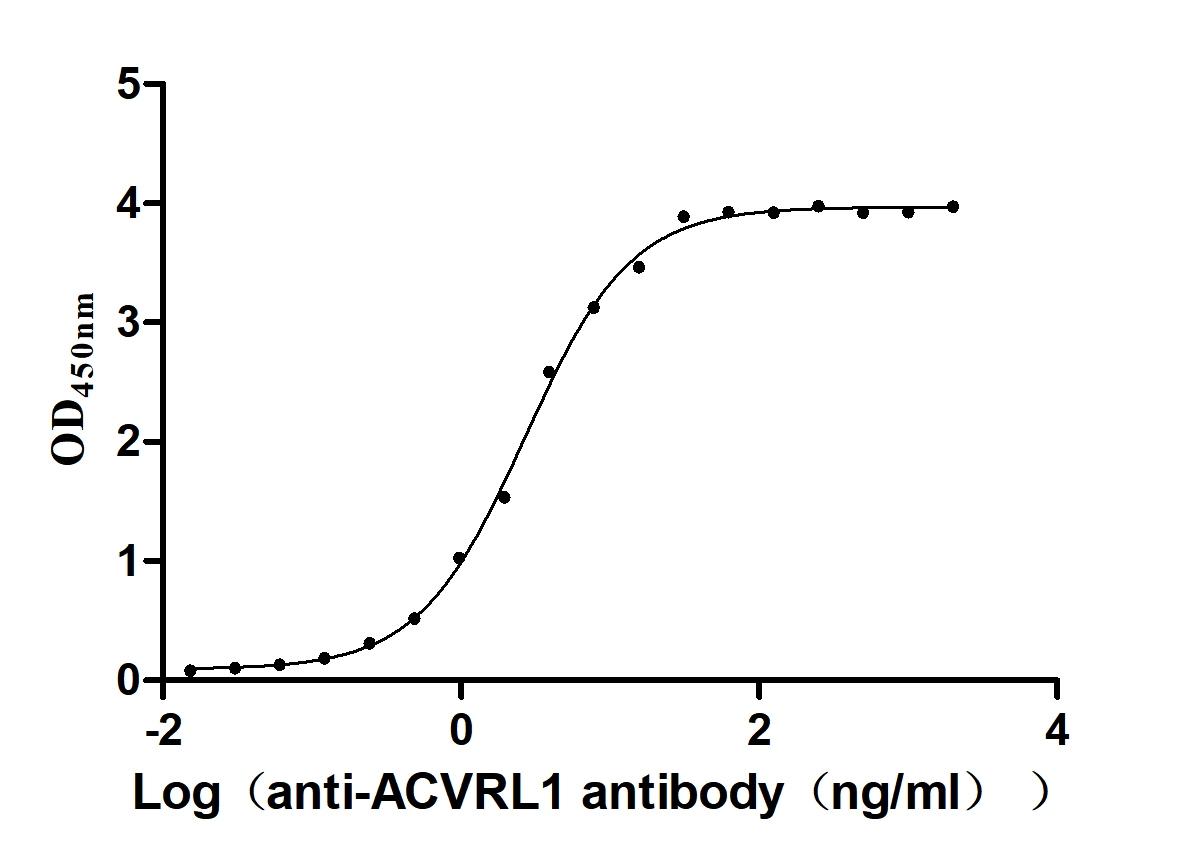
Recombinant Human Serine/threonine-protein kinase receptor R3 (ACVRL1), partial (Active)
Express system: Baculovirus
Species: Homo sapiens (Human)
-
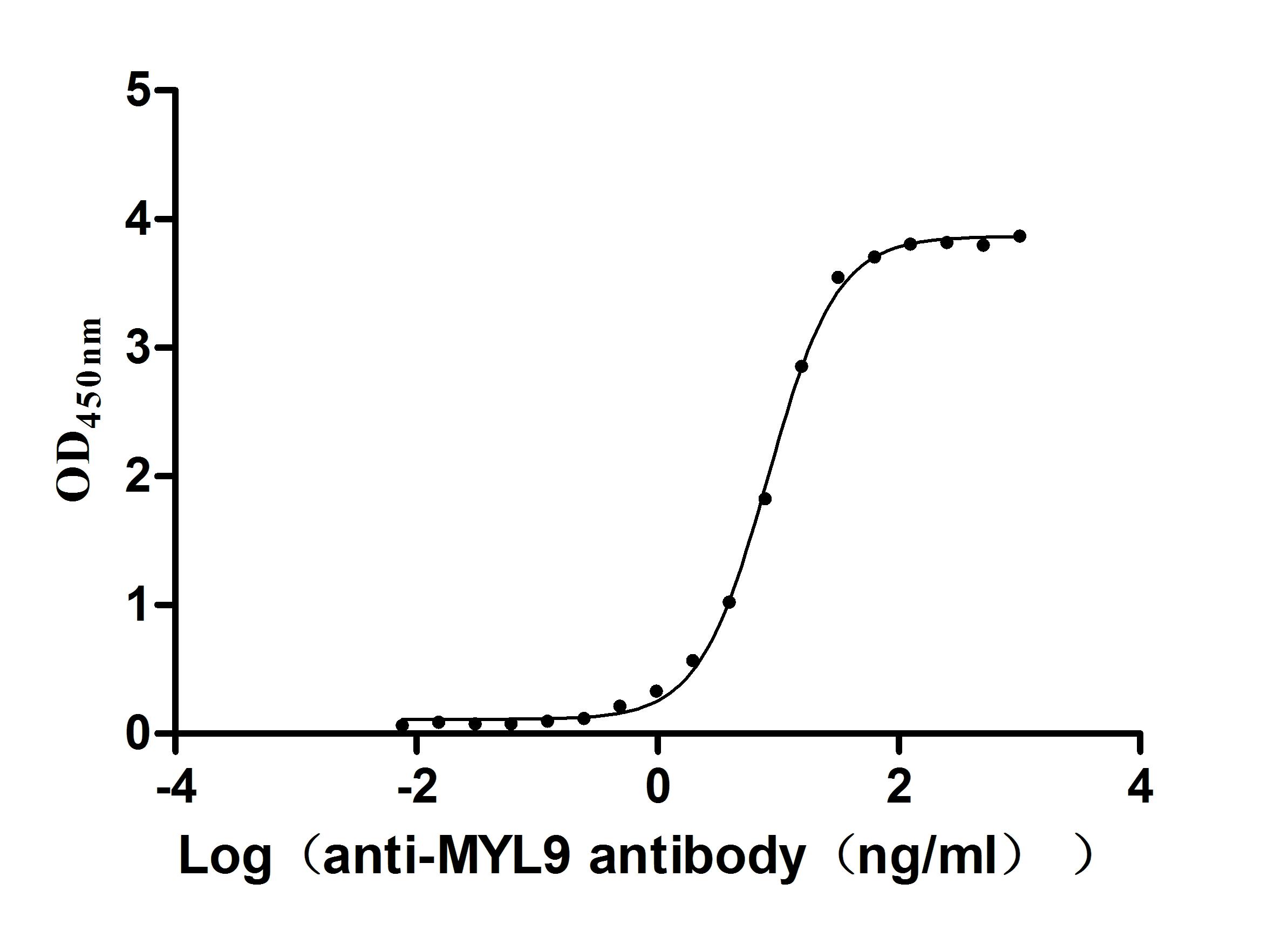
Recombinant Human Myosin regulatory light chain 12B (MYL12B) (Active)
Express system: E.coli
Species: Homo sapiens (Human)
-
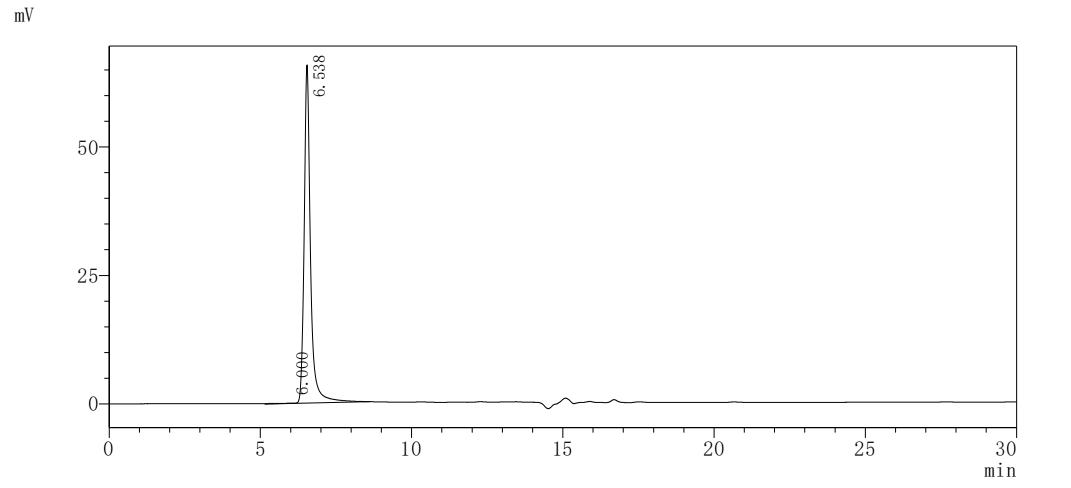
Recombinant Human C-C chemokine receptor type 9 (CCR9)-VLPs (Active)
Express system: Mammalian cell
Species: Homo sapiens (Human)
-
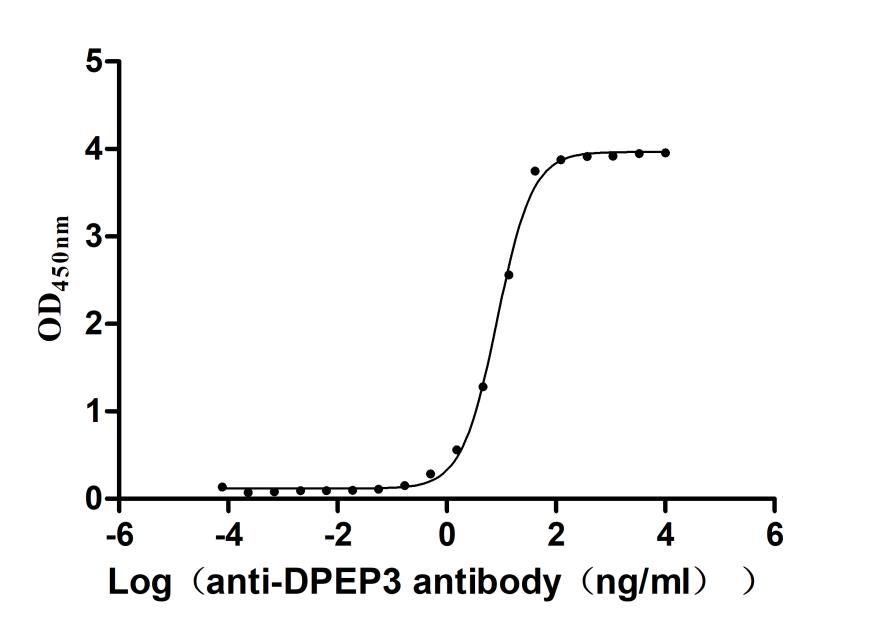
Recombinant Macaca fascicularis Dipeptidase 3(DPEP3) (Active)
Express system: Mammalian cell
Species: Macaca fascicularis (Crab-eating macaque) (Cynomolgus monkey)
-
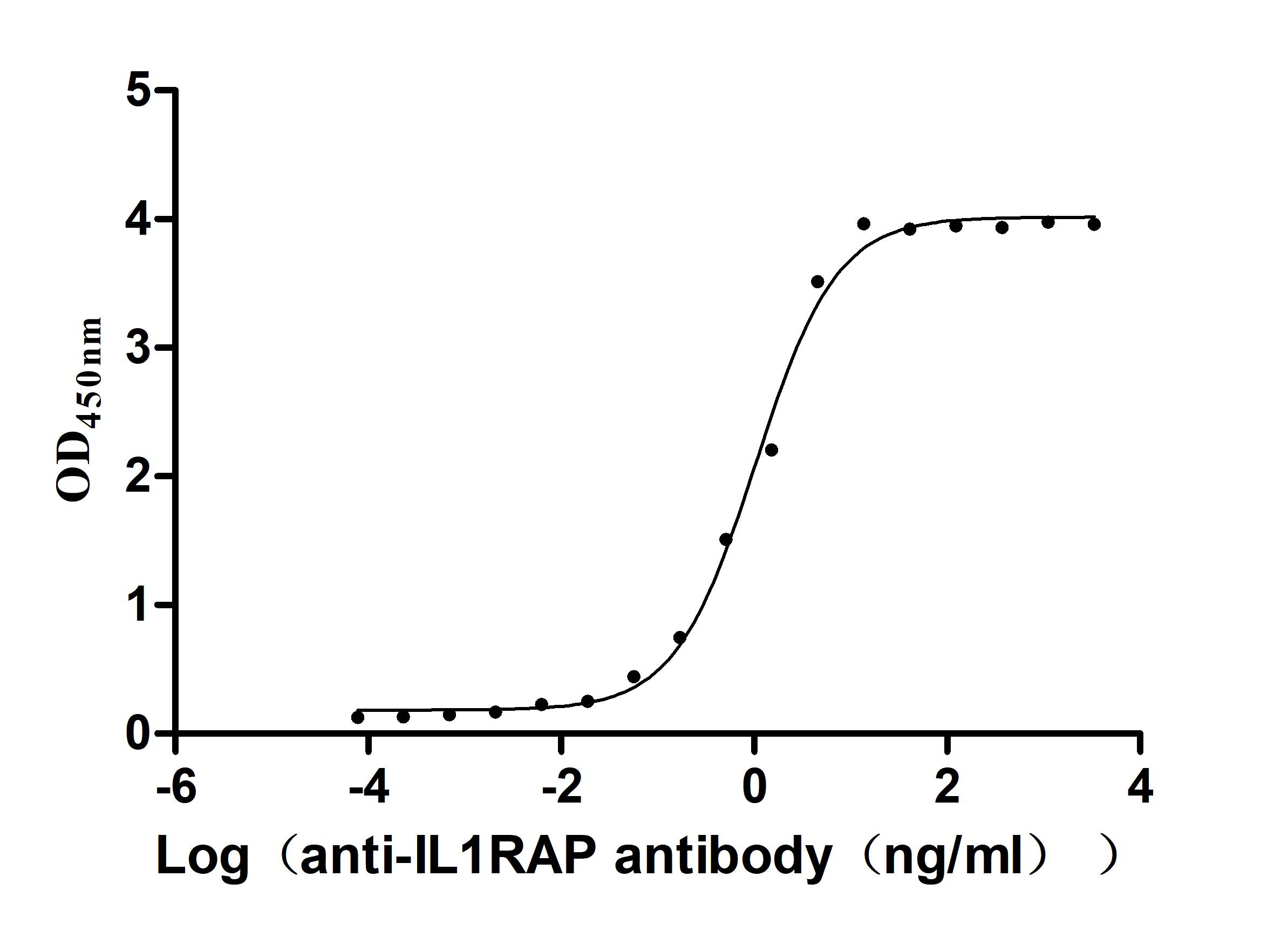
Recombinant Macaca fascicularis Interleukin 1 receptor accessory protein(IL1RAP), partial (Active)
Express system: Mammalian cell
Species: Macaca fascicularis (Crab-eating macaque) (Cynomolgus monkey)