
Recombinant Drosophila melanogaster Nuclear factor NF-kappa-B p110 subunit (Rel), partial
-
中文名稱:黑腹果蠅Rel重組蛋白
-
貨號(hào):CSB-YP856705DLU
-
規(guī)格:
-
來(lái)源:Yeast
-
其他:
-
中文名稱:黑腹果蠅Rel重組蛋白
-
貨號(hào):CSB-EP856705DLU
-
規(guī)格:
-
來(lái)源:E.coli
-
其他:
-
中文名稱:黑腹果蠅Rel重組蛋白
-
貨號(hào):CSB-EP856705DLU-B
-
規(guī)格:
-
來(lái)源:E.coli
-
共軛:Avi-tag Biotinylated
E. coli biotin ligase (BirA) is highly specific in covalently attaching biotin to the 15 amino acid AviTag peptide. This recombinant protein was biotinylated in vivo by AviTag-BirA technology, which method is BriA catalyzes amide linkage between the biotin and the specific lysine of the AviTag.
-
其他:
-
中文名稱:黑腹果蠅Rel重組蛋白
-
貨號(hào):CSB-BP856705DLU
-
規(guī)格:
-
來(lái)源:Baculovirus
-
其他:
-
中文名稱:黑腹果蠅Rel重組蛋白
-
貨號(hào):CSB-MP856705DLU
-
規(guī)格:
-
來(lái)源:Mammalian cell
-
其他:
產(chǎn)品詳情
-
純度:>85% (SDS-PAGE)
-
基因名:
-
Uniprot No.:
-
別名:Rel; CG11992; Nuclear factor NF-kappa-B p110 subunit; Rel-p110; Relish protein) [Cleaved into: Nuclear factor NF-kappa-B p68 subunit; Rel-p68); Nuclear factor NF-kappa-B p49 subunit; Rel-p49)]
-
種屬:Drosophila melanogaster (Fruit fly)
-
蛋白長(zhǎng)度:Partial
-
蛋白標(biāo)簽:Tag?type?will?be?determined?during?the?manufacturing?process.
The tag type will be determined during production process. If you have specified tag type, please tell us and we will develop the specified tag preferentially. -
產(chǎn)品提供形式:Lyophilized powder
Note: We will preferentially ship the format that we have in stock, however, if you have any special requirement for the format, please remark your requirement when placing the order, we will prepare according to your demand. -
復(fù)溶:We recommend that this vial be briefly centrifuged prior to opening to bring the contents to the bottom. Please reconstitute protein in deionized sterile water to a concentration of 0.1-1.0 mg/mL.We recommend to add 5-50% of glycerol (final concentration) and aliquot for long-term storage at -20℃/-80℃. Our default final concentration of glycerol is 50%. Customers could use it as reference.
-
儲(chǔ)存條件:Store at -20°C/-80°C upon receipt, aliquoting is necessary for mutiple use. Avoid repeated freeze-thaw cycles.
-
保質(zhì)期:The shelf life is related to many factors, storage state, buffer ingredients, storage temperature and the stability of the protein itself.
Generally, the shelf life of liquid form is 6 months at -20°C/-80°C. The shelf life of lyophilized form is 12 months at -20°C/-80°C. -
貨期:Delivery time may differ from different purchasing way or location, please kindly consult your local distributors for specific delivery time.Note: All of our proteins are default shipped with normal blue ice packs, if you request to ship with dry ice, please communicate with us in advance and extra fees will be charged.
-
注意事項(xiàng):Repeated freezing and thawing is not recommended. Store working aliquots at 4°C for up to one week.
-
Datasheet :Please contact us to get it.
產(chǎn)品評(píng)價(jià)

靶點(diǎn)詳情
-
功能:Plays a key role in the humoral immune response. Rel-p68 subunit translocates to the nucleus where it binds to the promoter of the Cecropin A1 gene and probably other antimicrobial peptide genes. I-kappa-B kinase complex (IKKbeta and key) and PGRP-LC are essential signaling components in transmitting the lipopolysaccharide (LPS) signal leading to cact degradation for NF-kappa-B (rel) activation. Part of a Toll-related receptor pathway that functions in the apoptosis of unfit cells during cell competition. May be part of a NF-kappa-B and Tollo signaling cascade that regulates development of the peripheral nervous system. Possibly post-transcriptionally regulates the neuron-specific genes sc and ase, by promoting the rapid turnover of their transcripts in the wing imaginal disk.
-
基因功能參考文獻(xiàn):
- Early gene Broad complex(BR-C) could be regulating the immune pathways by activating Relish and physically interacting with it to activate antimicrobial peptides expression. PMID: 25931442
- The Toll/NF-kappaB signaling pathway is required for epidermal wound repair in Drosophila. PMID: 25427801
- Epistatic analysis indicates that DMAP1 acts in parallel or downstream of Relish. PMID: 24947515
- the IMD/Relish signaling pathway is a central regulator of microbiota-mediated transcriptional response PMID: 24733183
- Relish mutations inhibited upregulation of innate immune response genes and neurodegeneration in ATM mutants. PMID: 23502677
- induction of antimicrobial peptide expression is via activation of the NF-kappaB transcription factor Relish in the immune deficiency (Imd) pathway PMID: 22470576
- NF-kappaB transcription factor Relish mediates the alternative pathway of cell death in Drosophila PMID: 22328149
- Data show that inhibition of NF-kappaB with pyrrolidine dithiocarbamate increases the median lifespan (13-20%) and the age of 90% mortality (11-14%) in Drosophila melanogaster females and males, respectively. PMID: 21483034
- Ectopic Ras/MAPK pathway activation results in the suppression of Drosophila IMD/NF-kappaB signalling. PMID: 21297578
- immune response increases sleep in flies in a manner that is gated by the circadian clock and that requires the NFkappaB Relish; supports a role of sleep in a recovery process and demonstrate a conserved feature of the Drosophila model of sleep. PMID: 20144235
- activation is controlled by PGRP-LC PMID: 11872802
- Overexpression of a pattern-recognition receptor, peptidoglycan-recognition protein-LE, activates imd/relish-mediated antibacterial defense and the prophenoloxidase cascade in larvae. PMID: 12359879
- a caspase target site, located in the linker region between the Rel and the IkappaB-like domain, is the site of signal-dependent cleavage PMID: 12732719
- Rel synergy with GATA plays a pervasive role in the immune response. PMID: 14731391
- Rel limits duration of JNK activation in response to Gram-neg infections. Rel activation is linked to TAK1 degradation, terminating JNK signaling, resulting in a transient JNK-dependent response that precedes sustained induction of immune loci. PMID: 15037551
- Molecular modeling was used to compare the tertiary structure of Relish with two other Drosophila proteins. PMID: 17785540
- the C-terminal IkappaB-like domain executes a scaffolding and recruiting function for full activation of Relish. PMID: 19135474
- show that the IKK complex controls Relish by direct phosphorylation on serines 528 and 529. Surprisingly, these phosphorylation sites are not required for Relish cleavage, nuclear translocation, or DNA binding PMID: 19497884
顯示更多
收起更多
-
亞細(xì)胞定位:[Nuclear factor NF-kappa-B p68 subunit]: Nucleus.; [Nuclear factor NF-kappa-B p110 subunit]: Cytoplasm.; [Nuclear factor NF-kappa-B p49 subunit]: Cytoplasm.
-
數(shù)據(jù)庫(kù)鏈接:
Most popular with customers
-
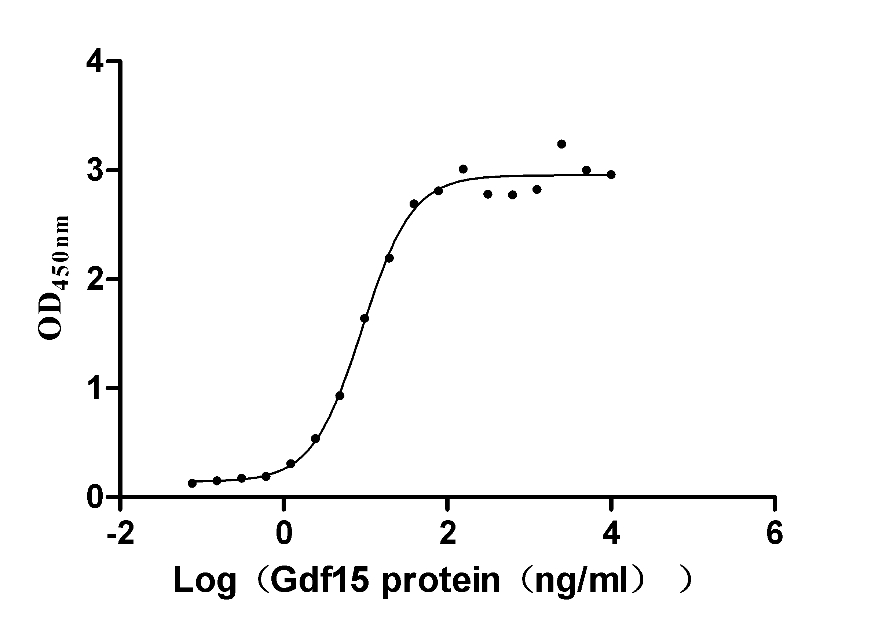
Recombinant Mouse GDNF family receptor alpha-like (Gfral), partial (Active)
Express system: Mammalian cell
Species: Mus musculus (Mouse)
-
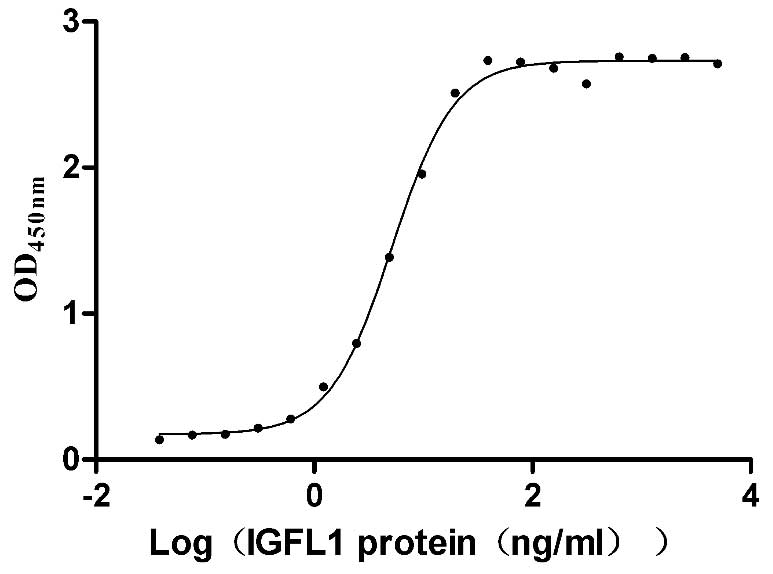
Recombinant Human IGF-like family receptor 1 (IGFLR1), partial (Active)
Express system: Mammalian cell
Species: Homo sapiens (Human)
-
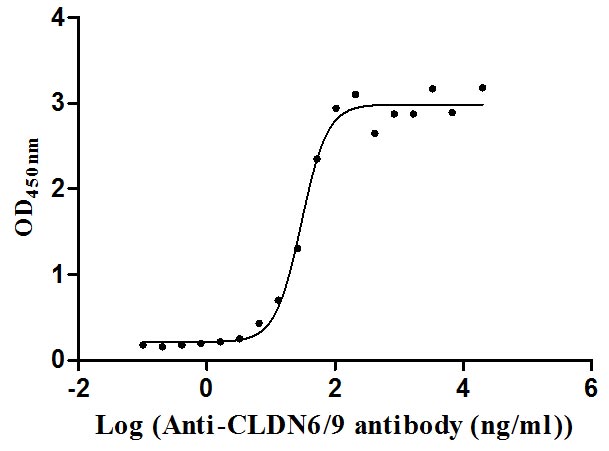
Recombinant Human Claudin-9 (CLDN9)-VLPs (Active)
Express system: Mammalian cell
Species: Homo sapiens (Human)
-
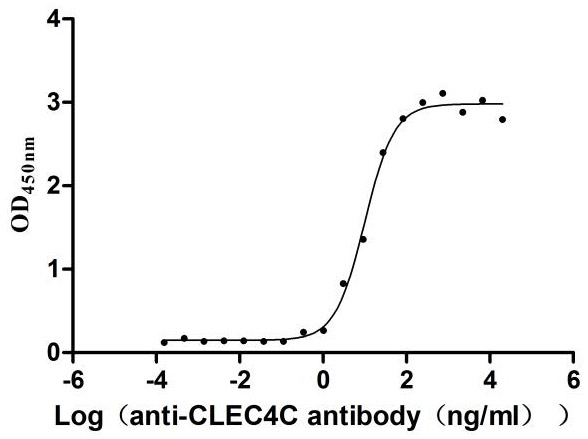
Recombinant Human C-type lectin domain family 4 member C (CLEC4C), partial (Active)
Express system: Mammalian cell
Species: Homo sapiens (Human)
-
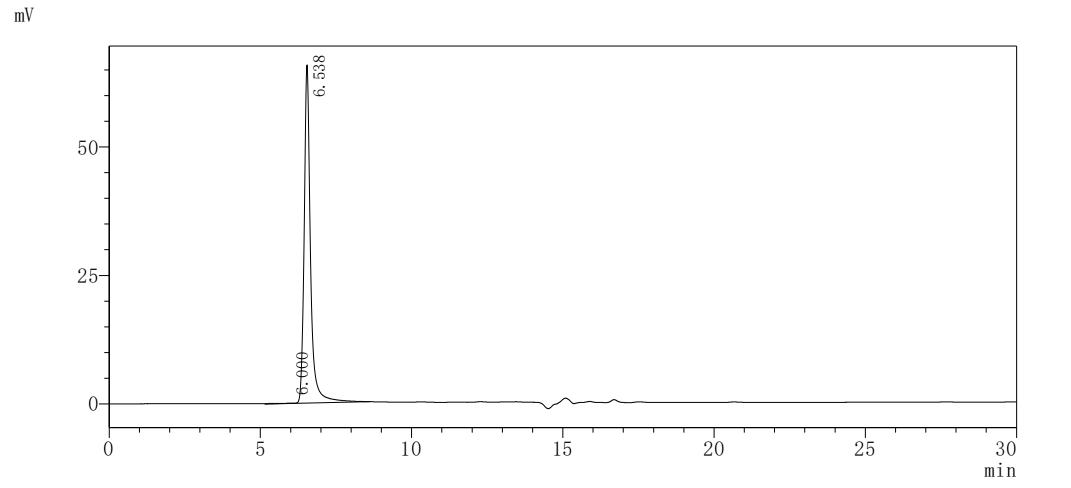
Recombinant Human C-C chemokine receptor type 9 (CCR9)-VLPs (Active)
Express system: Mammalian cell
Species: Homo sapiens (Human)
-
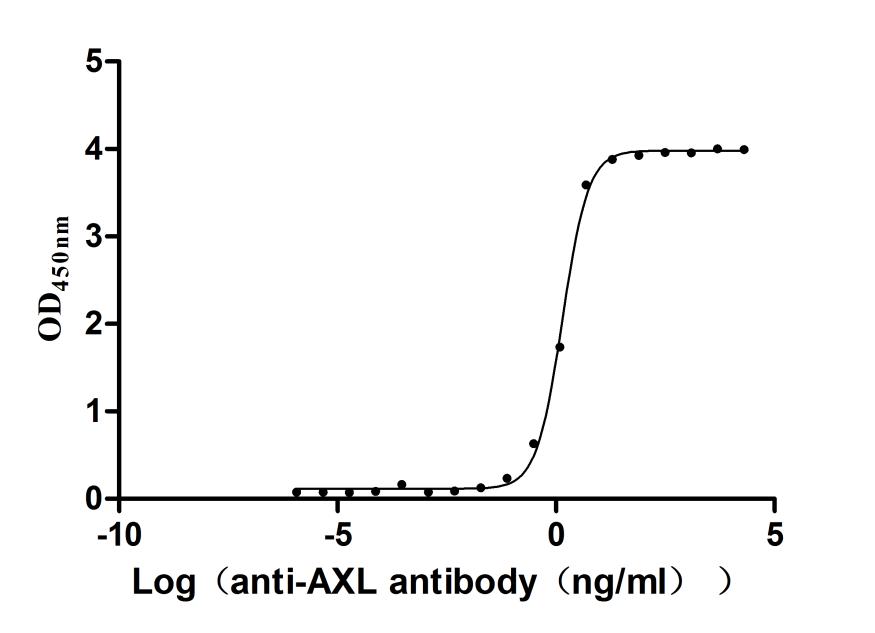
Recombinant Human Tyrosine-protein kinase receptor UFO(AXL),partial (Active)
Express system: Mammalian cell
Species: Homo sapiens (Human)