Recombinant Drosophila melanogaster 3-hydroxyacyl-CoA dehydrogenase type-2 (scu)
-
中文名稱(chēng):黑腹果蠅scu重組蛋白
-
貨號(hào):CSB-YP010767DLU
-
規(guī)格:
-
來(lái)源:Yeast
-
其他:
-
中文名稱(chēng):黑腹果蠅scu重組蛋白
-
貨號(hào):CSB-EP010767DLU
-
規(guī)格:
-
來(lái)源:E.coli
-
其他:
-
中文名稱(chēng):黑腹果蠅scu重組蛋白
-
貨號(hào):CSB-EP010767DLU-B
-
規(guī)格:
-
來(lái)源:E.coli
-
共軛:Avi-tag Biotinylated
E. coli biotin ligase (BirA) is highly specific in covalently attaching biotin to the 15 amino acid AviTag peptide. This recombinant protein was biotinylated in vivo by AviTag-BirA technology, which method is BriA catalyzes amide linkage between the biotin and the specific lysine of the AviTag.
-
其他:
-
中文名稱(chēng):黑腹果蠅scu重組蛋白
-
貨號(hào):CSB-BP010767DLU
-
規(guī)格:
-
來(lái)源:Baculovirus
-
其他:
-
中文名稱(chēng):黑腹果蠅scu重組蛋白
-
貨號(hào):CSB-MP010767DLU
-
規(guī)格:
-
來(lái)源:Mammalian cell
-
其他:
產(chǎn)品詳情
-
純度:>85% (SDS-PAGE)
-
基因名:scu
-
Uniprot No.:
-
別名:scu; CG7113; 3-hydroxyacyl-CoA dehydrogenase type-2; EC 1.1.1.35; 17-beta-hydroxysteroid dehydrogenase 10; 17-beta-HSD 10; EC 1.1.1.51; 3-hydroxy-2-methylbutyryl-CoA dehydrogenase; EC 1.1.1.178; 3-hydroxyacyl-CoA dehydrogenase type II; Mitochondrial ribonuclease P protein 2; Mitochondrial RNase P protein 2; Scully protein; Type II HADH
-
種屬:Drosophila melanogaster (Fruit fly)
-
蛋白長(zhǎng)度:full length protein
-
表達(dá)區(qū)域:1-255
-
氨基酸序列MIKNAVSLVT GGASGLGRAT AERLAKQGAS VILADLPSSK GNEVAKELGD KVVFVPVDVT SEKDVSAALQ TAKDKFGRLD LTVNCAGTAT AVKTFNFNKN VAHRLEDFQR VININTVGTF NVIRLSAGLM GANEPNQDGQ RGVIVNTASV AAFDGQIGQA AYSASKAAVV GMTLPIARDL STQGIRICTI APGLFNTPML AALPEKVRTF LAKSIPFPQR LGEPSEYAHL VQAIYENPLL NGEVIRIDGA LRMMP
-
蛋白標(biāo)簽:Tag?type?will?be?determined?during?the?manufacturing?process.
The tag type will be determined during production process. If you have specified tag type, please tell us and we will develop the specified tag preferentially. -
產(chǎn)品提供形式:Lyophilized powder
Note: We will preferentially ship the format that we have in stock, however, if you have any special requirement for the format, please remark your requirement when placing the order, we will prepare according to your demand. -
復(fù)溶:We recommend that this vial be briefly centrifuged prior to opening to bring the contents to the bottom. Please reconstitute protein in deionized sterile water to a concentration of 0.1-1.0 mg/mL.We recommend to add 5-50% of glycerol (final concentration) and aliquot for long-term storage at -20℃/-80℃. Our default final concentration of glycerol is 50%. Customers could use it as reference.
-
儲(chǔ)存條件:Store at -20°C/-80°C upon receipt, aliquoting is necessary for mutiple use. Avoid repeated freeze-thaw cycles.
-
保質(zhì)期:The shelf life is related to many factors, storage state, buffer ingredients, storage temperature and the stability of the protein itself.
Generally, the shelf life of liquid form is 6 months at -20°C/-80°C. The shelf life of lyophilized form is 12 months at -20°C/-80°C. -
貨期:Delivery time may differ from different purchasing way or location, please kindly consult your local distributors for specific delivery time.Note: All of our proteins are default shipped with normal blue ice packs, if you request to ship with dry ice, please communicate with us in advance and extra fees will be charged.
-
注意事項(xiàng):Repeated freezing and thawing is not recommended. Store working aliquots at 4°C for up to one week.
-
Datasheet :Please contact us to get it.
產(chǎn)品評(píng)價(jià)

靶點(diǎn)詳情
-
功能:Versatile enzyme presenting two types of activity; L-3-hydroxyacyl-CoA dehydrogenase ((3S)-3-hydroxyacyl-CoA dehydrogenase) activity and hydroxysteroid dehydrogenase (HSD) activity with a wide substrate spectrum. As a (3S)-3-hydroxyacyl-CoA dehydrogenase, it functions in the third step of the fatty acid beta-oxidation pathway, a major metabolic process in which fatty acids are oxidized to provide a significant source of energy, while also generating acyl-CoA metabolites used by many metabolic routes (Probable). As a HSD, it functions in the degradation pathways of glucocorticoids and sex steroids and epimerization of bile acids; catalyzes the beta-oxidation at position 17 of androgens and estrogens, has 3-alpha-hydroxysteroid dehydrogenase activity with androsterone, and carries out oxidative conversions of 7-beta-hydroxylated bile acids like ursodeoxycholate or isoursodeoxycholate (also known as 3-beta,7-beta-dihydroxy-5-beta-cholan-24-oate or 7-beta-hydroxyisolithocholate, respectively). Also exhibits 20-beta-OH and 21-OH dehydrogenase activities with C21 steroids. Required for cell survival during embryonic development. May play a role in germline formation.
-
基因功能參考文獻(xiàn):
- Risperidone inhibits drosophila 17-beta-HSD10 in chemical genomics screen. PMID: 28188816
- Comparison of substrate specificity of human and Drosophila melanogaster type 10 17b-hydroxysteroid dehydrogenases PMID: 12917011
-
亞細(xì)胞定位:Mitochondrion.
-
蛋白家族:Short-chain dehydrogenases/reductases (SDR) family
-
組織特異性:Found in many tissues including CNS, imaginal disks and salivary glands. Highest expression in both embryonic gonadal primordia and mature ovaries and testes.
-
數(shù)據(jù)庫(kù)鏈接:
Most popular with customers
-
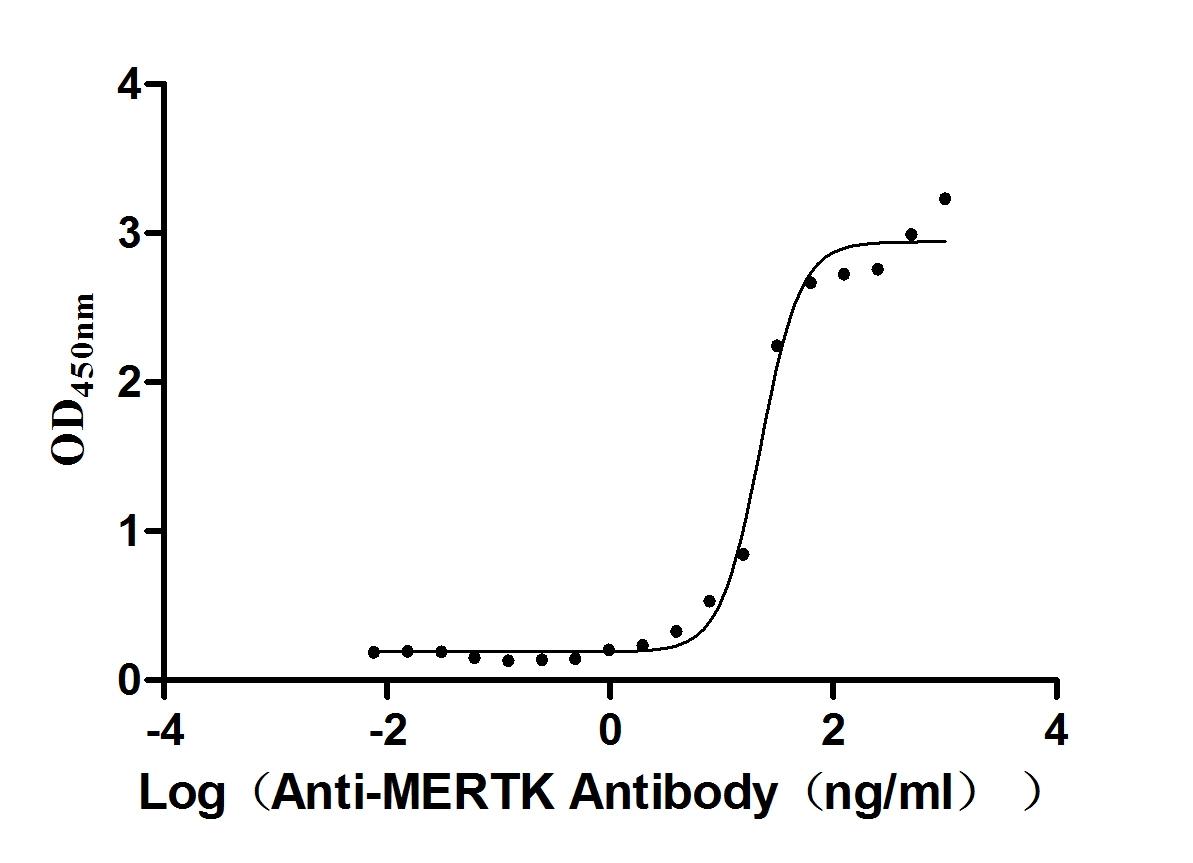
Recombinant Mouse Tyrosine-protein kinase Mer (Mertk), partial (Active)
Express system: Mammalian cell
Species: Mus musculus (Mouse)
-
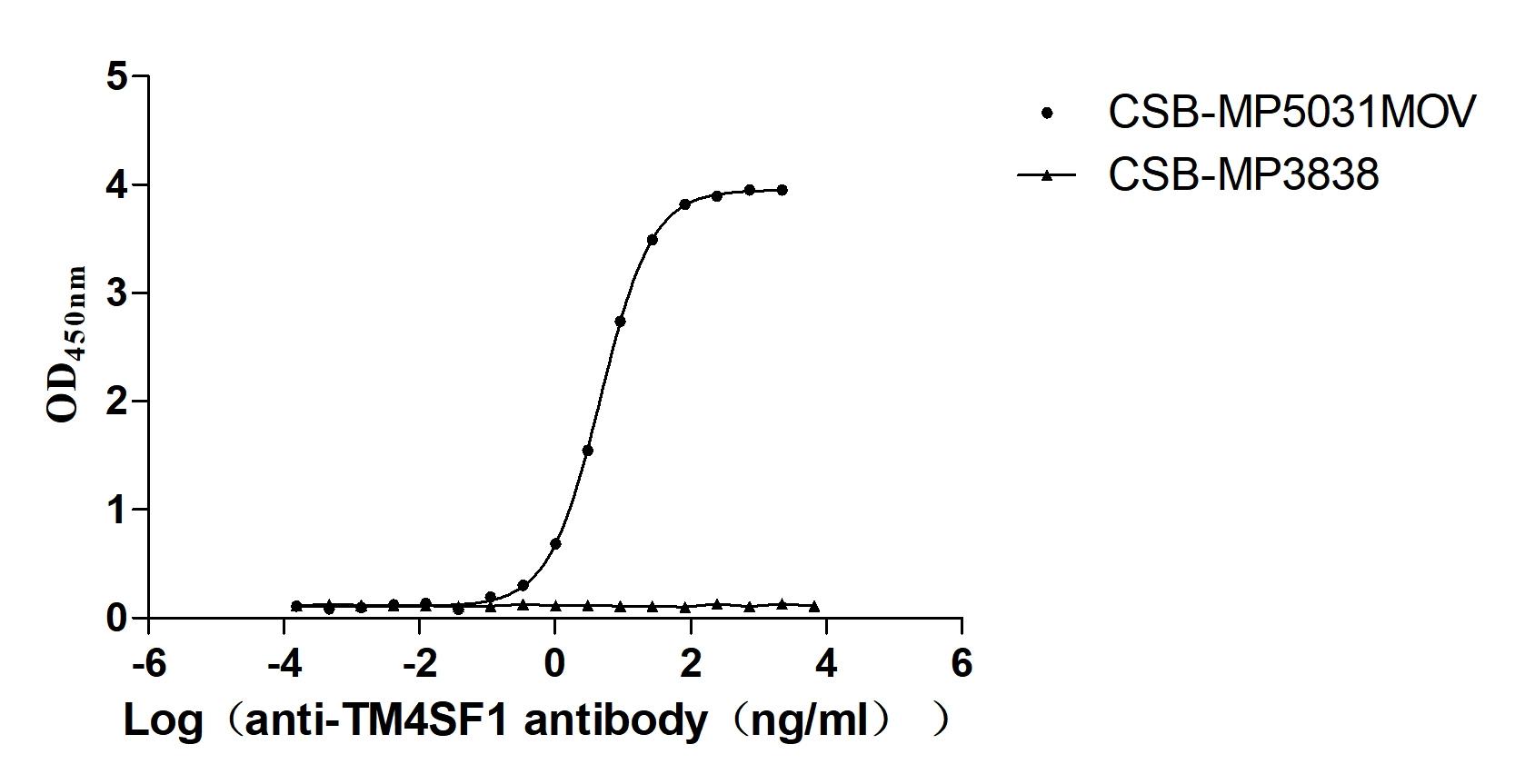
Recombinant Macaca fascicularis Transmembrane 4 L6 family member 1 (TM4SF1)-VLPs (Active)
Express system: Mammalian cell
Species: Macaca fascicularis (Crab-eating macaque) (Cynomolgus monkey)
-
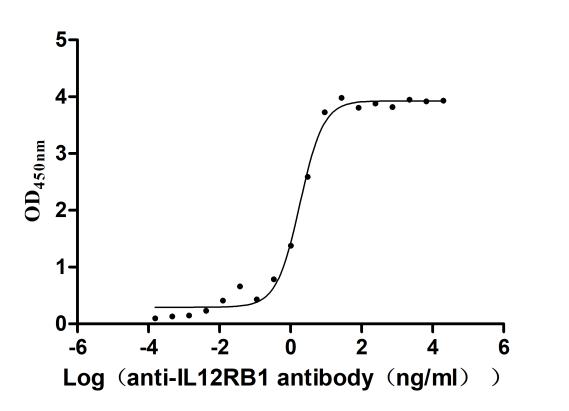
Recombinant Human Interleukin-12 receptor subunit beta-1(IL12RB1),partial (Active)
Express system: Mammalian cell
Species: Homo sapiens (Human)
-
Express system: Mammalian cell
Species: Homo sapiens (Human)