Recombinant Bovine Seminal plasma protein PDC-109
-
中文名稱:牛N/A重組蛋白
-
貨號(hào):CSB-YP365779BO
-
規(guī)格:
-
來源:Yeast
-
其他:
-
中文名稱:牛N/A重組蛋白
-
貨號(hào):CSB-EP365779BO
-
規(guī)格:
-
來源:E.coli
-
其他:
-
中文名稱:牛N/A重組蛋白
-
貨號(hào):CSB-EP365779BO-B
-
規(guī)格:
-
來源:E.coli
-
共軛:Avi-tag Biotinylated
E. coli biotin ligase (BirA) is highly specific in covalently attaching biotin to the 15 amino acid AviTag peptide. This recombinant protein was biotinylated in vivo by AviTag-BirA technology, which method is BriA catalyzes amide linkage between the biotin and the specific lysine of the AviTag.
-
其他:
-
中文名稱:牛N/A重組蛋白
-
貨號(hào):CSB-BP365779BO
-
規(guī)格:
-
來源:Baculovirus
-
其他:
-
中文名稱:牛N/A重組蛋白
-
貨號(hào):CSB-MP365779BO
-
規(guī)格:
-
來源:Mammalian cell
-
其他:
產(chǎn)品詳情
-
純度:>85% (SDS-PAGE)
-
基因名:N/A
-
Uniprot No.:
-
別名:Seminal plasma protein PDC-109; BSP-A1 and BSP-A2; Seminal vesicle secretory protein 109; SVSP109
-
種屬:Bos taurus (Bovine)
-
蛋白長(zhǎng)度:Full Length of Mature Protein
-
表達(dá)區(qū)域:26-134
-
氨基酸序列DQDEG VSTEPTQDGP AELPEDEECV FPFVYRNRKH FDCTVHGSLF PWCSLDADYV GRWKYCAQRD YAKCVFPFIY GGKKYETCTK IGSMWMSWCS LSPNYDKDRA WKYC
-
蛋白標(biāo)簽:Tag?type?will?be?determined?during?the?manufacturing?process.
The tag type will be determined during production process. If you have specified tag type, please tell us and we will develop the specified tag preferentially. -
產(chǎn)品提供形式:Lyophilized powder
Note: We will preferentially ship the format that we have in stock, however, if you have any special requirement for the format, please remark your requirement when placing the order, we will prepare according to your demand. -
復(fù)溶:We recommend that this vial be briefly centrifuged prior to opening to bring the contents to the bottom. Please reconstitute protein in deionized sterile water to a concentration of 0.1-1.0 mg/mL.We recommend to add 5-50% of glycerol (final concentration) and aliquot for long-term storage at -20℃/-80℃. Our default final concentration of glycerol is 50%. Customers could use it as reference.
-
儲(chǔ)存條件:Store at -20°C/-80°C upon receipt, aliquoting is necessary for mutiple use. Avoid repeated freeze-thaw cycles.
-
保質(zhì)期:The shelf life is related to many factors, storage state, buffer ingredients, storage temperature and the stability of the protein itself.
Generally, the shelf life of liquid form is 6 months at -20°C/-80°C. The shelf life of lyophilized form is 12 months at -20°C/-80°C. -
貨期:Delivery time may differ from different purchasing way or location, please kindly consult your local distributors for specific delivery time.Note: All of our proteins are default shipped with normal blue ice packs, if you request to ship with dry ice, please communicate with us in advance and extra fees will be charged.
-
注意事項(xiàng):Repeated freezing and thawing is not recommended. Store working aliquots at 4°C for up to one week.
-
Datasheet :Please contact us to get it.
產(chǎn)品評(píng)價(jià)

靶點(diǎn)詳情
-
功能:Could enhance the fertilizing capacity of bull spermatozoa upon interaction with heparin-like glycosaminoglycans present in the female genital tract. Exhibits both simulatory and inhibitory actions on the release of pituitary gonadotropins.
-
基因功能參考文獻(xiàn):
- PDC-109 binds to choline phospholipids of the sperm plasma membrane and induces an efflux of cholesterol and choline phospholipids, which is crucial for sperm capacitation. PDC-109 also exhibits chaperone-like activity and protects target proteins against various kinds of stress. Spermine and spermidine, present in high concentration in the seminal plasma, increase the ability of PDC-109 to perturb membrane structure. PMID: 28965950
- This is the first report showing that more than two forms of BSP1 are found in the seminal plasma of Nelore adult bulls and not all animals have a similar abundance of each BSP1 form. PMID: 27118515
- abundant in bull sperm, more in low fertility group than in high fertility group PMID: 26484773
- Data indicate the temperature dependence of the thermodynamics in the binding of PDC-109 to O-lauroylcholine and O-myristoylcholine. PMID: 25408350
- Data suggest that binding of BSP1, BSP3, and BSP5 is increased on surface of bull sperm following cryopreservation; binder of sperm proteins appear to play roles in formation of oviductal sperm storage reservoir and in sperm capacitation. PMID: 23740081
- analysis of chemical and physical requirements for lipid extraction by bovine binder of sperm BSP1 PMID: 22960042
- The presence of BSP1 over the acrosomal region characterises spermatozoa sensitive to cryopreservation and ELSPBP1 characterises spermatozoa that are already dead at ejaculation. PMID: 22457431
- Large oligomeric structures are formed upon binding of PDC-109 to heparin, indicating an increase in the local density of the protein, which may be relevant to the ability of heparin to potentiate PDC-109 induced sperm capacitation. PMID: 21939260
- Enthalpy-entropy compensation was observed for the interaction of PDC-109 with phospholipid membranes, suggesting that water structure plays an important role in the binding process. PMID: 22022488
- These results underscore the relevance of phospholipid binding and hydrophobicity to the chaperone-like activity of PDC-109. PMID: 21408153
- binding of PDC-109 to different cell membranes, model membranes (MLVs) and supported membrane layers leads to the extraction of lipids and cholesterol, which ultimately results in membrane destabilization PMID: 21117173
- Our results indicate a possible functional compartmentalization of PMCA in bull sperm membranes and point to a presumptive, yet unknown interaction partner of Ca(2+) -ATPase and PDC-109. PMID: 20050939
- PDC-109 decreases the rotational mobility of cholesterol within the membrane and that the extent of this impact depends on the cholesterol structure, indicating a specific influence of PDC-109 on cholesterol. PMID: 20863067
- Data from crystal structure of the PDC109-PhC complex show that each PhC binds to the corresponding Fn2 domain, while the two domains are on the same face of the protein. PMID: 20174627
- theses findings provide new leads for the contribution of the BSP1 to the maturation process of sperm. PMID: 20674552
- PDC-109 functions as a molecular chaperone in vivo. PMID: 20377251
- plays a major role in formation of the bovine oviductal sperm reservoir [PDC-109 (BSP-A1/A2)] PMID: 12748117
- PDC-109 plays a crucial role in fertilization by maintaining sperm motility during storage. PMID: 16790686
- Based on the results, a model explaining the phospholipid specificity of PDC-109-mediated lipid release is presented. PMID: 17066268
- Oppositional effect of PDC-109 during spermatogenesis; later stages trigger destabilization of these cells. PMID: 17892307
- binding of bovine seminal proteins A1, A2, and 30 kDa and osteopontin to spermatozoa and the effects of oviductal fluid on protein binding are reported PMID: 18207674
- The microenvironment and accessibility of the tryptophan residues in domain B of PDC-109 in the native state and upon ligand binding have been investigated by fluorescence quenching, time-resolved fluorescence and red-edge excitation shift studies. PMID: 19683598
顯示更多
收起更多
-
亞細(xì)胞定位:Secreted.
-
蛋白家族:Seminal plasma protein family
-
組織特異性:Major component of seminal plasma.
-
數(shù)據(jù)庫(kù)鏈接:
Most popular with customers
-
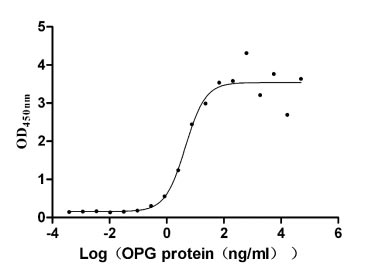
Recombinant Human Tumor necrosis factor receptor superfamily member 11B (TNFRSF11B) (Active)
Express system: Mammalian cell
Species: Homo sapiens (Human)
-
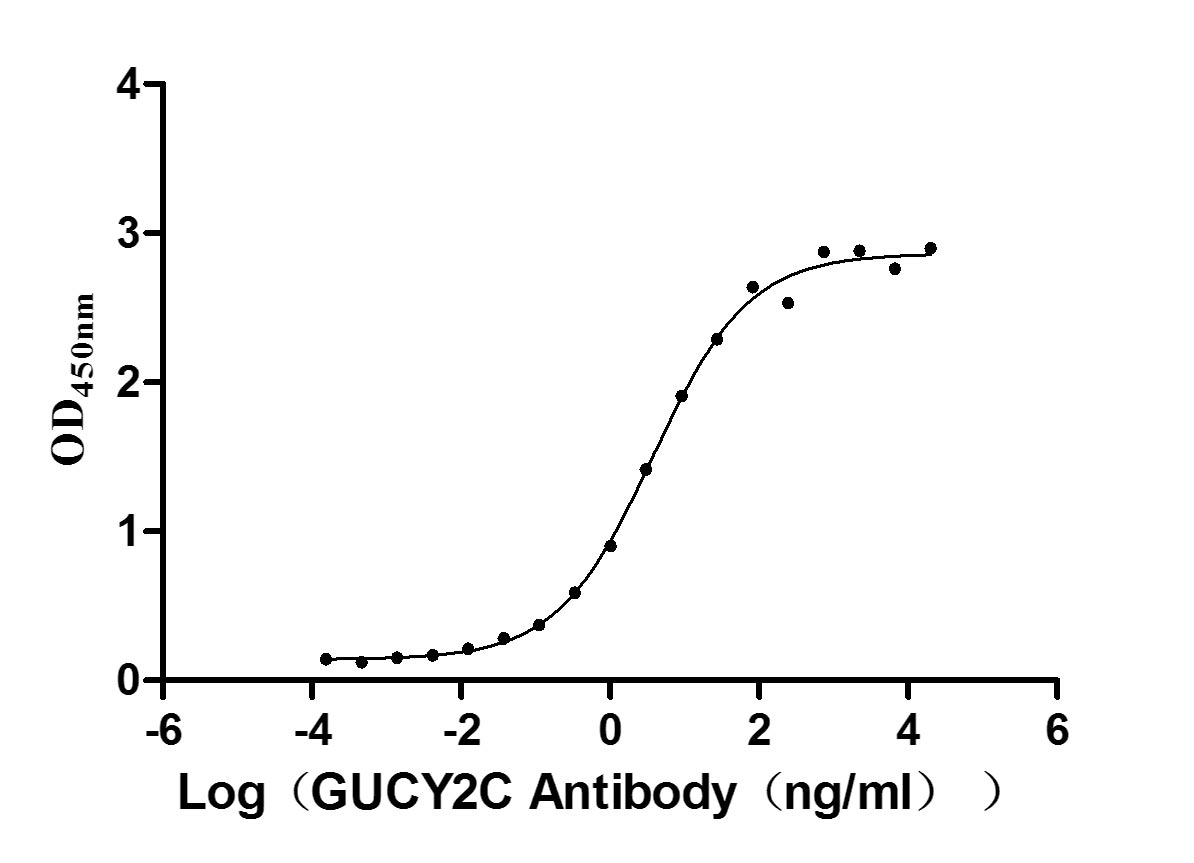
Recombinant Human Heat-stable enterotoxin receptor (GUCY2C), partial (Active)
Express system: Mammalian cell
Species: Homo sapiens (Human)
-
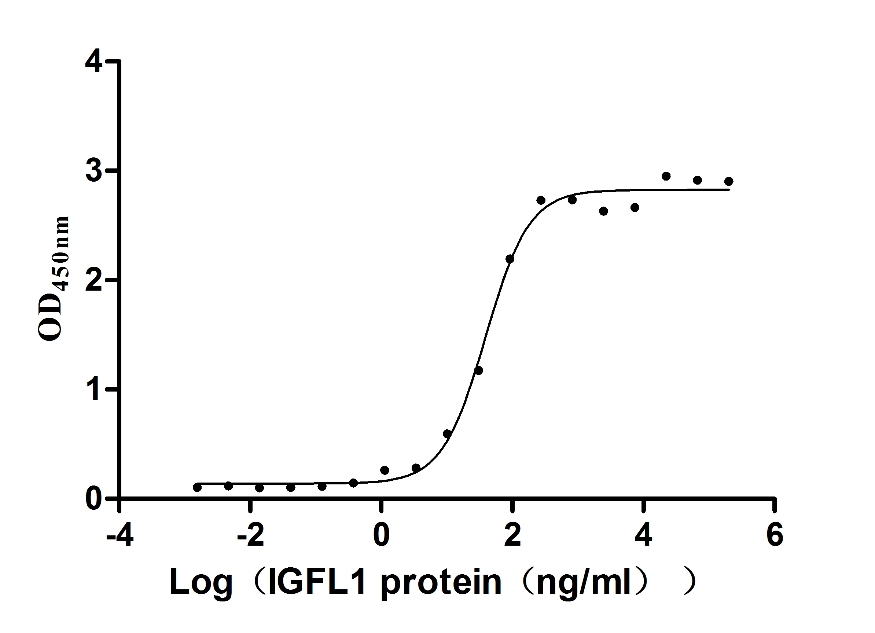
Recombinant Human Insulin growth factor-like family member 1 (IGFL1) (Active)
Express system: Mammalian cell
Species: Homo sapiens (Human)
-
-AC1.jpg)
Recombinant Human Interleukin-17A (IL17A) (T26A) (Active)
Express system: Baculovirus
Species: Homo sapiens (Human)
-
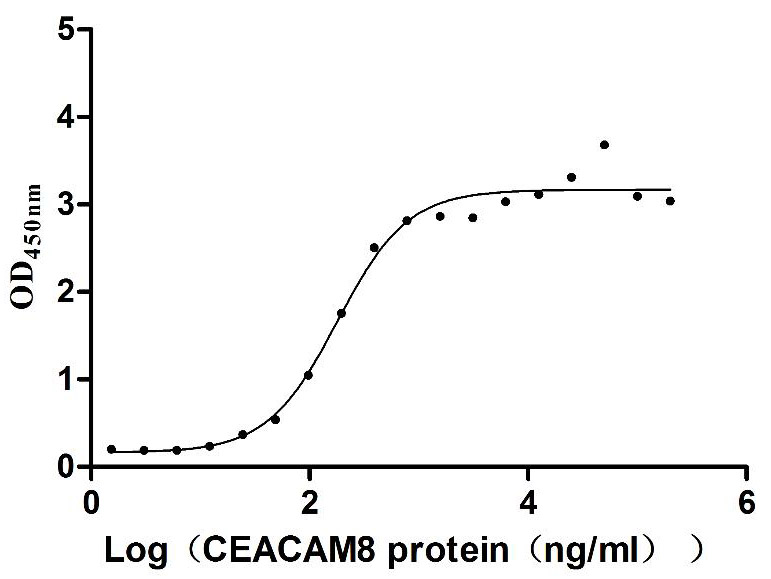
Recombinant Human Carcinoembryonic antigen-related cell adhesion molecule 6 (CEACAM6) (Active)
Express system: Mammalian cell
Species: Homo sapiens (Human)
-
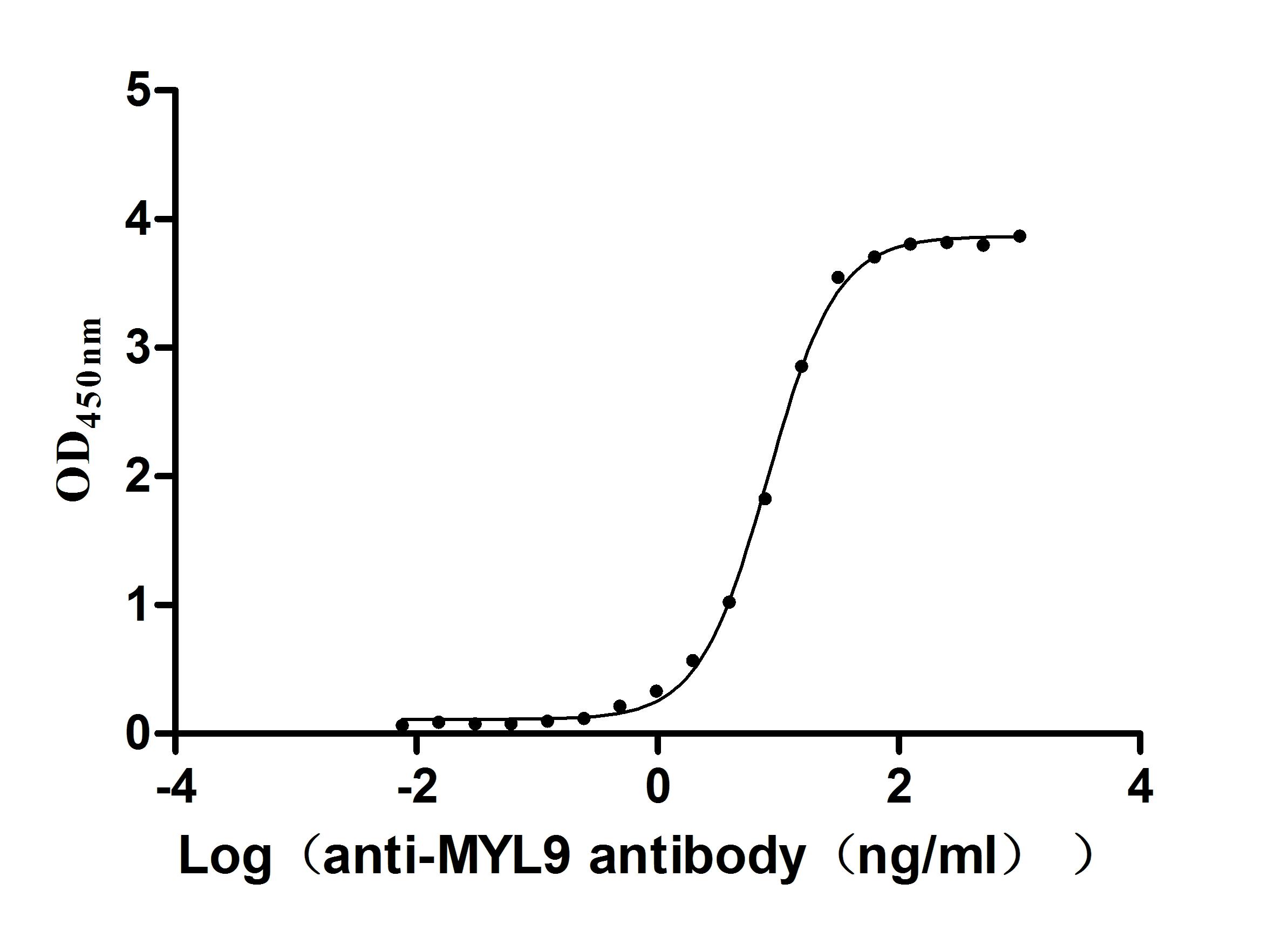
Recombinant Human Myosin regulatory light chain 12B (MYL12B) (Active)
Express system: E.coli
Species: Homo sapiens (Human)
-
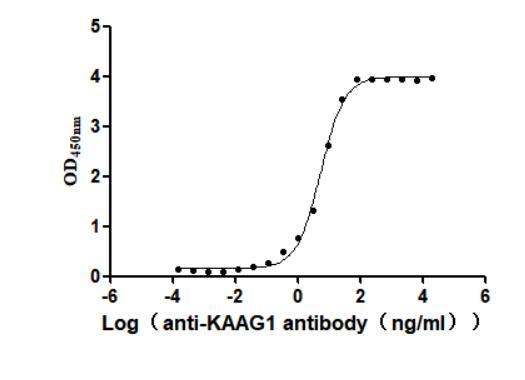
Recombinant Human Kidney-associated antigen 1(KAAG1) (Active)
Express system: Baculovirus
Species: Homo sapiens (Human)
-
Recombinant Mouse Cadherin-6 (Cdh6), partial (Active)
Express system: Mammalian cell
Species: Mus musculus (Mouse)