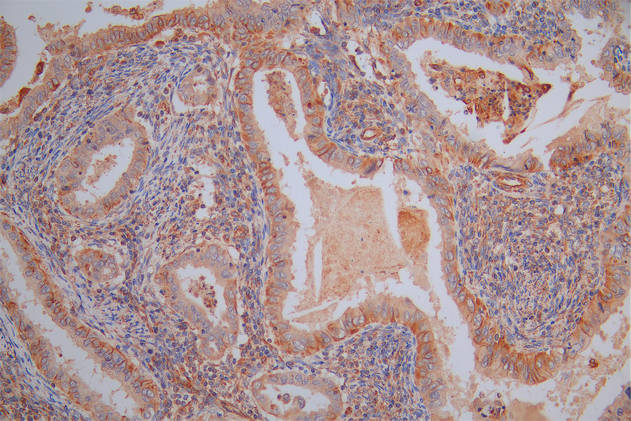
SPPL3 Antibody, HRP conjugated
-
中文名稱:SPPL3兔多克隆抗體, HRP偶聯(lián)
-
貨號(hào):CSB-PA848402LB01HU
-
規(guī)格:¥880
-
其他:
產(chǎn)品詳情
-
產(chǎn)品名稱:Rabbit anti-Homo sapiens (Human) SPPL3 Polyclonal antibody
-
Uniprot No.:
-
基因名:SPPL3
-
別名:SPPL3 antibody; IMP2 antibody; PSL4 antibody; Signal peptide peptidase-like 3 antibody; SPP-like 3 antibody; EC 3.4.23.- antibody; Intramembrane protease 2 antibody; IMP-2 antibody; Presenilin homologous protein 1 antibody; PSH1 antibody; Presenilin-like protein 4 antibody
-
宿主:Rabbit
-
反應(yīng)種屬:Human
-
免疫原:Recombinant Human Signal peptide peptidase-like 3 protein (213-263AA)
-
免疫原種屬:Homo sapiens (Human)
-
標(biāo)記方式:HRP
-
克隆類型:Polyclonal
-
抗體亞型:IgG
-
純化方式:>95%, Protein G purified
-
濃度:It differs from different batches. Please contact us to confirm it.
-
保存緩沖液:Preservative: 0.03% Proclin 300
Constituents: 50% Glycerol, 0.01M PBS, PH 7.4 -
產(chǎn)品提供形式:Liquid
-
應(yīng)用范圍:ELISA
-
Protocols:
-
儲(chǔ)存條件:Upon receipt, store at -20°C or -80°C. Avoid repeated freeze.
-
貨期:Basically, we can dispatch the products out in 1-3 working days after receiving your orders. Delivery time maybe differs from different purchasing way or location, please kindly consult your local distributors for specific delivery time.
-
用途:For Research Use Only. Not for use in diagnostic or therapeutic procedures.
產(chǎn)品評(píng)價(jià)

相關(guān)產(chǎn)品
靶點(diǎn)詳情
-
功能:Intramembrane-cleaving aspartic protease (I-CLiP) that cleaves type II membrane protein substrates in or close to their luminal transmembrane domain boundaries. Acts like a sheddase by mediating the proteolytic release and secretion of active site-containing ectodomains of glycan-modifiying glycosidase and glycosyltransferase enzymes such as MGAT5, B4GAT1 and B4GALT1. Catalyzes the intramembrane cleavage of the envelope glycoprotein gp130 and/or the leader peptide gp18LP of the simian foamy virus independent of prior ectodomain shedding by furin or furin-like proprotein convertase (PC)-mediated cleavage proteolysis. May also have the ability to serve as a shedding protease for subsequent intramembrane proteolysis by SPPL2A and SPPL2B of the envelope glycoprotein gp130. Plays a role in the regulation of cellular glycosylation processes. Required to link T-cell antigen receptor (TCR) and calcineurin-NFAT signaling cascades in lymphocytes by promoting the association of STIM1 and ORAI1 during store-operated calcium entry (SOCE) in a protease-independent manner.
-
基因功能參考文獻(xiàn):
- Data suggest that activation of the metalloproteinase ADAM10 by signal peptide peptidase-like 3 (SPPL3) triggered by mutant BRAF(V600E) was a critical transformation event. PMID: 28292959
- Secretome analysis identifies novel signal Peptide peptidase-like 3 substrates and reveals a role of Sppl3 in multiple Golgi glycosylation pathways PMID: 25827571
- Authors demonstrate that SPPL3 alters the pattern of cellular N-glycosylation by triggering the proteolytic release of active site-containing ectodomains of glycosidases and glycosyltransferases. PMID: 25354954
- SPPL3 cleaves Golgi type II membrane proteins leading to their secretion. SPPL3 substrates include Golgi glycosyltransferases MGAT5, B4GALT1, and B3GNT1. By facilitating disengagement of these glycosyltransferases from their membrane anchors, SPPL3 causes their premature secretion and consequently orchestrates the extent of N-glycosylation on human and murine cells. PMID: 25354954
- SPPL3 substrates identified on a proteome-wide scale in human and murine cells include numerous glycan-modifying enzymes residing in the Golgi network and implicated in distinct glycosylation pathways, including N-glycosylation, mucin-type O-glycosylation, O-mannosylation and glycosaminoglycan biosynthesis. PMID: 25827571
- SPPL3 enhances the signal-induced association of stromal interaction molecule 1 PMID: 25384971
- human SPPL3 is the first GxGD-type aspartyl protease shown to be capable of acting like a sheddase, similar to members of the rhomboid family, which belong to the class of intramembrane-cleaving serine proteases. PMID: 23132852
- SPPL3 cleaves a SPP substrate, but a more distantly related homologue SPPL2b does not, providing strong evidence that the malaria SPP and human SPPL3 have conserved active sites, while the active sites SPPL2b is distinct PMID: 16873890
顯示更多
收起更多
-
亞細(xì)胞定位:Endoplasmic reticulum membrane; Multi-pass membrane protein. Golgi apparatus. Membrane; Multi-pass membrane protein; Lumenal side.
-
蛋白家族:Peptidase A22B family
-
組織特異性:Widely expressed. Expressed in the brain.
-
數(shù)據(jù)庫鏈接:
Most popular with customers
-
-
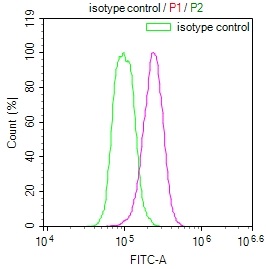
YWHAB Recombinant Monoclonal Antibody
Applications: ELISA, WB, IHC, IF, FC
Species Reactivity: Human, Mouse, Rat
-
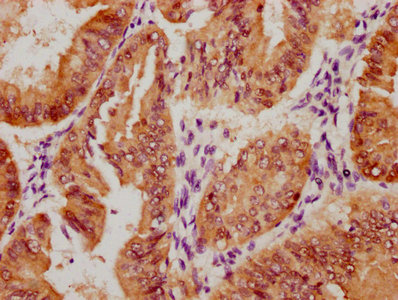
Phospho-YAP1 (S127) Recombinant Monoclonal Antibody
Applications: ELISA, WB, IHC
Species Reactivity: Human
-
-
-
-
-