-
中文名稱:小鼠白細胞表面抗原CD47(CD47)酶聯(lián)免疫試劑盒
-
貨號:CSB-EL004940MO
-
樣本類型:serum, plasma,tissue homogenates
-
檢測范圍:15.6 pg/mL-1000 pg/mL
-
靈敏度:3.9 pg/mL
-
規(guī)格:96T/48T
-
價格:¥3600/¥2500
-
促銷:

-
其他:
產品詳情
-
產品描述:小鼠白細胞表面抗原CD47(CD47)酶聯(lián)免疫試劑盒(CSB-EL004940MO)為雙抗夾心法ELISA試劑盒,定量檢測血清、血漿,組織勻漿樣本中的CD47含量。CD47是一種廣泛表達于細胞表面的跨膜蛋白,充當“別吃我”信號,可與巨噬細胞上的信號調節(jié)蛋白α結合,抑制巨噬細胞的吞噬作用。在腫瘤領域,研究聚焦于阻斷CD47信號通路,從而激活機體免疫以清除腫瘤細胞,有望成為癌癥治療新靶點。試劑盒檢測范圍為15.6 pg/mL-1000 pg/mL,為研究CD47在免疫調節(jié)、腫瘤免疫治療或再生醫(yī)學中的功能機制提供可靠工具。科研人員可通過該產品定量分析不同實驗條件下(如基因編輯、藥物干預或病理模型)CD47的動態(tài)表達變化,為探索免疫檢查點調控網絡提供數據支持。本品僅用于科研,不用于臨床診斷,產品具體參數及操作步驟詳見產品說明書。
-
關聯(lián)名:Cd47; Leukocyte surface antigen CD47; Integrin-associated protein; IAP; CD antigen CD47
-
縮寫:
-
Uniprot No.:
-
種屬:Mus musculus (Mouse)
-
反應時間:1-5h
-
上樣量:50-100ul
-
檢測波長:450 nm
-
研究領域:Immunology
-
測定原理:quantitative
-
測定方法:Sandwich
-
數據處理:
-
貨期:3-5 working days
產品評價

相關產品
靶點詳情
-
功能:Has a role in both cell adhesion by acting as an adhesion receptor for THBS1 on platelets, and in the modulation of integrins. Plays an important role in memory formation and synaptic plasticity in the hippocampus. Receptor for SIRPA, binding to which prevents maturation of immature dendritic cells and inhibits cytokine production by mature dendritic cells. Interaction with SIRPG mediates cell-cell adhesion, enhances superantigen-dependent T-cell-mediated proliferation and costimulates T-cell activation. May play a role in membrane transport and/or integrin dependent signal transduction. May prevent premature elimination of red blood cells. May be involved in membrane permeability changes induced following virus infection.
-
基因功能參考文獻:
- this study shows that inhibition of IAP represses inflammatory status via nuclear factor-kappa B pathway in murine endometriosis lesions PMID: 29105884
- Our results support an intrinsic role of CD47 in ovarian cancer progression and immune evasion PMID: 28380460
- mice deficient in CD47 (CD47 Knockout) had significantly less brain neutrophil infiltration at 24h, upregulated VEGF expression in peri-lesion cortex at 7 and 14day PMID: 27931776
- TSP1 significantly accelerates replicative senescence and associated cell cycle arrest in a CD47-dependent manner. PMID: 27607583
- CD47, TSP1, and to a lesser extent SIRPalpha facilitate exosome-mediated myeloid-derived suppressor cells chemotaxis and migration. PMID: 27728760
- In pulmonary hypertension TSP1-CD47 is upregulated, and contributes to pulmonary arterial vasculopathy and dysfunction. PMID: 27742621
- thrombospondin-1 via CD47 inhibits renal tubular epithelial cell recovery after ischemia reperfusion injury through inhibition of proliferation/self-renewal. PMID: 27259369
- these findings have demonstrated how tumor cells inhibit innate sensing in dendritic cells and suggested that the CD47-SIRPalpha axis is critical for dendritic cell-driven antitumor immunity PMID: 28801234
- this study shows that CD47 deficiency in tumor stroma promotes tumor progression by enhancing angiogenesis PMID: 27283989
- the results obtained by combining bioinformatics and preclinical studies strongly suggest that targeting TSP-1/CD47 axis may represent a valuable therapeutic alternative for hampering melanoma spreading. PMID: 27349907
- Treg cells protect dopaminergic neurons against MPP+ neurotoxicity by a cell-to-cell contact mechanism underlying CD47-SIRPA interaction and Rac1/Akt activation. PMID: 28268219
- CD47 deficient mice with vaccination showed greater protective efficacy against lethal challenge. PMID: 27194758
- These results indicate an important role for CD47-SIRPalpha interactions in innate control of malaria and suggest novel targets for intervention. PMID: 27091932
- atherogenesis is associated with upregulation of CD47, a key anti-phagocytic molecule that is known to render malignant cells resistant to programmed cell removal, or 'efferocytosis' PMID: 27437576
- Erythrocyte CD47 has a key role in hematoma clearance after intracerebral hemorrhage. PMID: 26732568
- These data indicate that CD47 plays protective roles against disseminated candidiasis and alters pro-inflammatory and immunosuppressive pathways known to regulate innate and T cell immunity. PMID: 26010544
- CD47 deficiency ameliorates lupus nephritis in Fas(lpr) mice via suppression of IgG autoantibody production. PMID: 26095930
- the cell adhesion molecule CD47 participates in multiple phases of granule cell development, including proliferation, migration, and neurite differentiation PMID: 25288019
- CD47 mediates signaling from the extracellular matrix that coordinately regulates basal metabolism and cytoprotective responses to radiation injury PMID: 26311851
- Taken together, these data revealed a novel role for CD47 in the development of obesity and its related metabolic complications. PMID: 25747123
- NF KB mediated CD47 up regulation promotes sorafenib resistance treating hepatocellular carcinoma. PMID: 25902734
- Loss of cell surface CD47 clustering formation and binding avidity to SIRPalpha facilitate apoptotic cell clearance by macrophages. PMID: 26085683
- findings prove that the TSP-1/CD47/SIRP-alpha signal axis is important to the evolution of tumor cells in the microenvironment of immunotherapy and identify thrombospondin-1 as a key signal PMID: 25697354
- Thrombospondin-1 and CD47 signaling regulate healing of thermal injury in mice. PMID: 24840925
- the microglial proinflammatory response to Abeta(1-42) protofibril is not dependent on CD47 PMID: 25451248
- CD47 expression in the microenvironment was sufficient to limit tumor radiosensitivity. PMID: 25297630
- role in promoting left ventricular heart failure by CaKMII-mediated up-regulation of HDAC3 PMID: 24922625
- Polymorphism in the innate immune receptor SIRPalpha controls CD47 binding and autoimmunity in the nonobese diabetic mouse. PMID: 25305319
- using a syngeneic mouse hepatocyte transplantation model, the present study demonstrates that missing CD47 on donor cells alone can cause recipient myeloid cell activation and graft loss. PMID: 23394628
- sought to investigate the effect of Hsp70-peptide complex on the expression of CD172alpha and CD47 receptors in normal peritoneal macrophages (NMO) PMID: 24684700
- CD47 plays the pivotal role in the immune evasion of primary effusion lymphoma cells in body cavities. Therapeutic antibody targeting of CD47 could be an effective therapy for PEL. PMID: 24726056
- 'clustering' SIRPalpha into plasma membrane microdomains is essential for activated monocytes and macrophages to effectively interact with CD47 and initiate intracellular signaling PMID: 24143245
- Thrombospondin-1 signaling through CD47 is the first identified endogenous inhibitor of H2S signaling and constitutes a novel mechanism that negatively regulates T cell activation. PMID: 23499828
- Data indicate that lack of CD47 strongly impairs SIRPalpha-dependent osteoblast differentiation, deteriorate bone formation, and cause reduced formation of osteoclasts. PMID: 23990469
- Thus, CD47 antagonists enable cell self-renewal and reprogramming by overcoming negative regulation of c-Myc and other stem cell transcription factors. PMID: 23591719
- CD47 deficiency confers cell survival through the activation of autophagic flux and identifies CD47 blockade as a pharmacological route to modulate autophagy for protecting tissue from radiation injury. PMID: 22874555
- Inhibitor of apoptosis proteins (IAPs) and their antagonists regulate spontaneous and tumor necrosis factor (TNF)-induced proinflammatory cytokine and chemokine production PMID: 23275336
- CD47 deficiency promotes nerve fiber growth from cultured ventral mesencephalic dopamine neurons. PMID: 23049778
- Although polymorphonuclear neutrophil (PMN) transmigration is not delayed in CD47-deficient mice, fewer neutrophils are found in the intestine at the postacute/chronic stage of chronic colitis. PMID: 23203922
- CD47(low) status on CD4 effectors is necessary for the contraction/resolution of the immune response in humans and mice. PMID: 22870271
- Thrombospondin-1 regulates blood flow via CD47 receptor-mediated activation of NADPH oxidase 1. PMID: 23087362
- ectopic expression of murine Cd47 in human hepatocytes selectively favors engraftment upon transplantation into mice, a finding that should have a profound impact on the generation of robust humanized small animal models. PMID: 22535707
- Activation of parenchymal CD47 promotes renal ischemia-reperfusion injury. PMID: 22859854
- Engagement of endothelial CD47 by its ligands triggers outside-in signals in endothelium, facilitating leukocyte transendothelial migration at sites of inflammation. PMID: 22815286
- Data show that CD47(-/-) mice are refractory to experimental autoimmune encephalomyelitis (EAE). PMID: 22734047
- Activated CD47 promotes pulmonary arterial hypertension through targeting caveolin-1. PMID: 22215724
- CD47(high) status on CD4 T cells identifies functional long-lived memory T cell progenitors. PMID: 22461697
- CD47 signalling is dispensable for oral tolerance induction, whereas the expression of CD47 by non-haematopoietic cells is required for intestinal IgA B-cell responses. PMID: 22070457
- provides a rational basis for targeting CD47-SIRPalpha interactions, using for instance the antagonistic antibodies against human SIRPalpha described herein, to potentiate the clinical effects of cancer therapeutic antibodies PMID: 22042861
- CD47 deletion improves functional recovery from spinal cord injury via an increase in vascular patency, functional locomotor improvements and greater white matter sparing. PMID: 21168495
顯示更多
收起更多
-
亞細胞定位:Cell membrane; Multi-pass membrane protein.
-
數據庫鏈接:
Most popular with customers
-
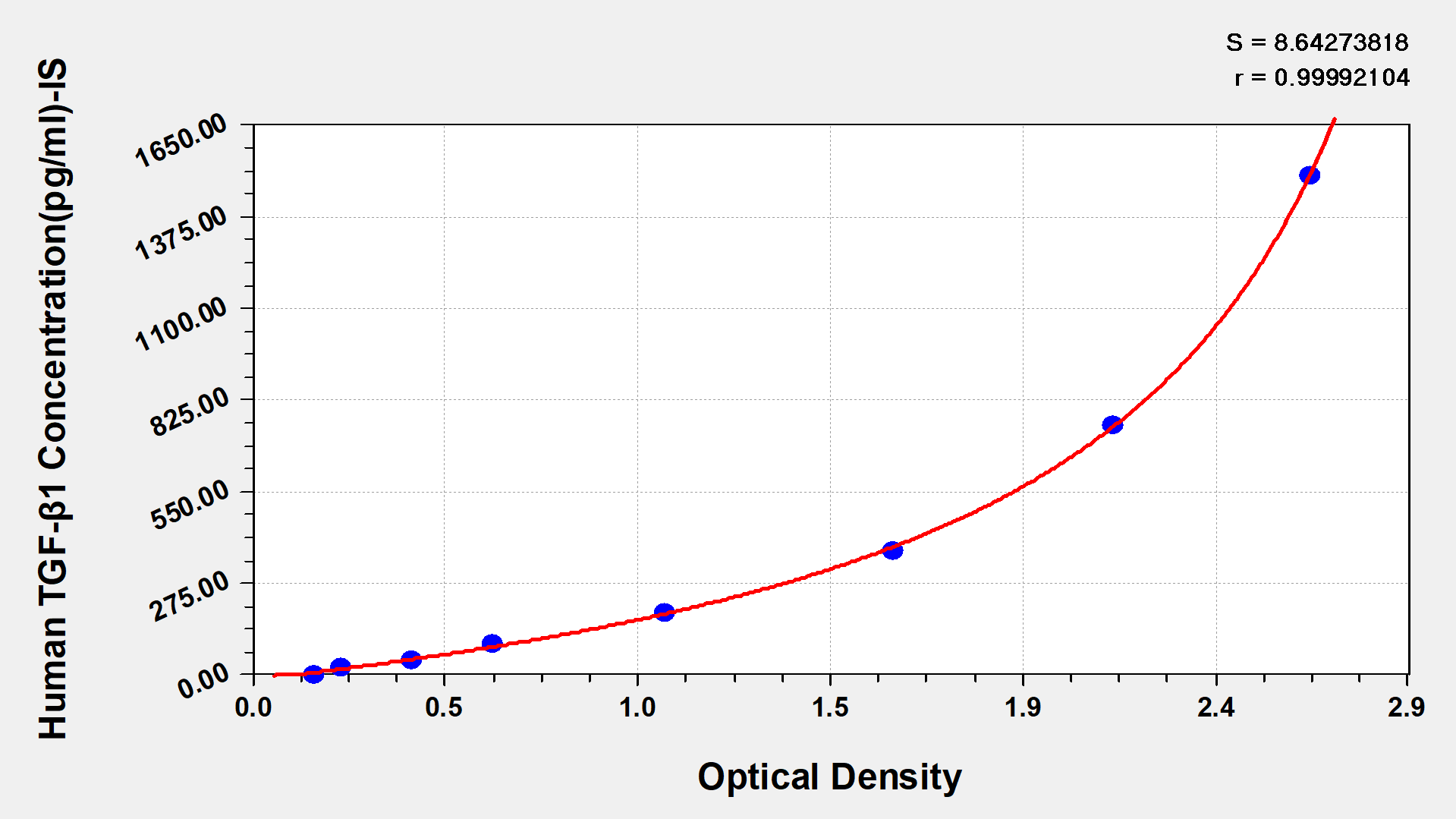
Human Transforming Growth factor β1,TGF-β1 ELISA kit
Detect Range: 23.5 pg/ml-1500 pg/ml
Sensitivity: 5.8 pg/ml
-
-
-
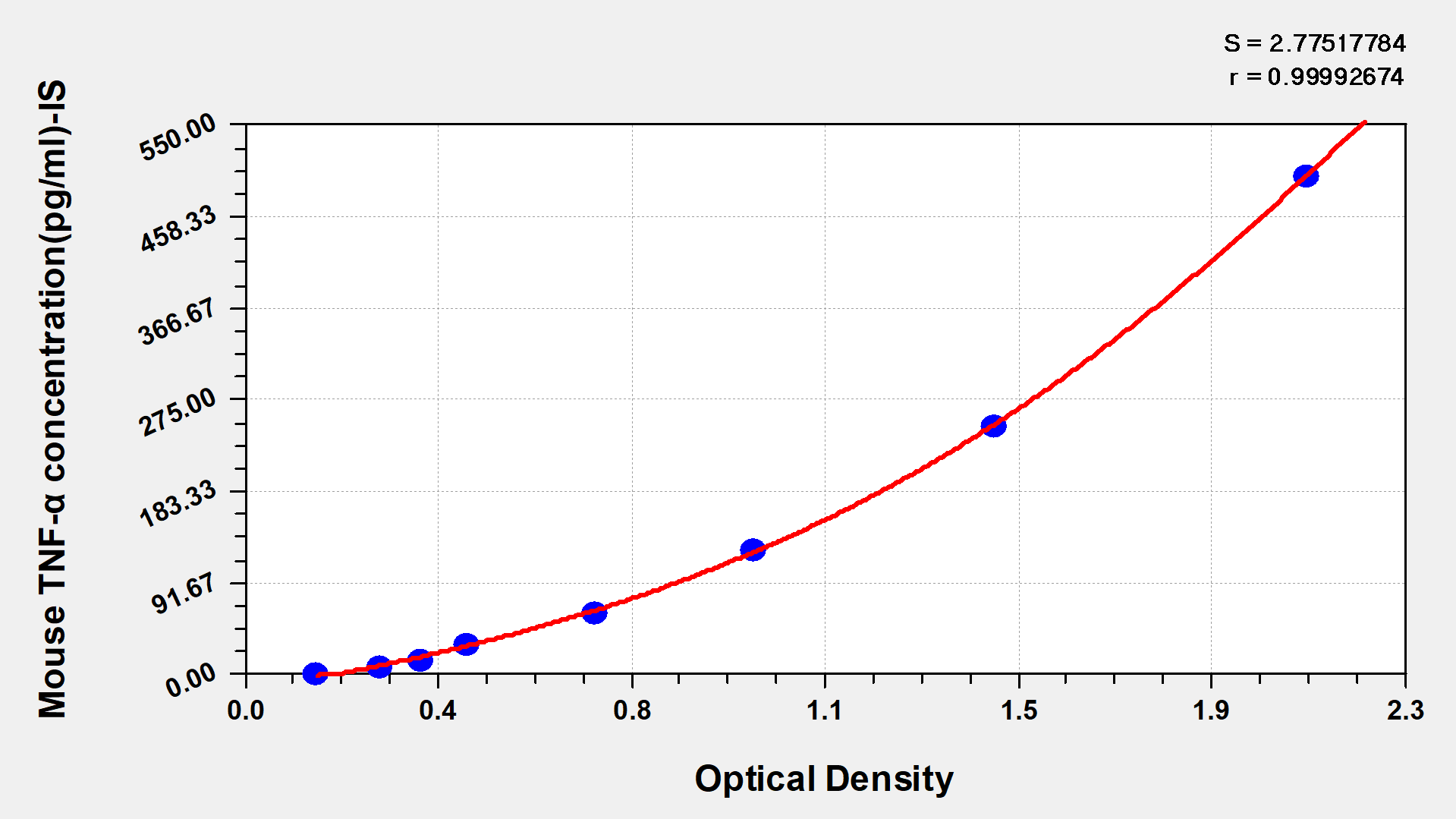
Mouse Tumor necrosis factor α,TNF-α ELISA Kit
Detect Range: 7.8 pg/ml-500 pg/ml
Sensitivity: 1.95 pg/ml
-
-
-
-